


All-Ceramic Crowns

All-Ceramic Crowns in Taipei image

All-Ceramic Crowns

All-Ceramic Restorations Planned for Tooth Structure and Bite

All-ceramic crowns may protect teeth with insufficient structure, teeth after root canal treatment, or teeth requiring aesthetic restoration. Suitability requires a clinical and imaging assessment.

Treatment Overview

Examination and Diagnosis

The dentist evaluates decay, cracks, existing restorations, periodontal condition, remaining tooth structure, and bite.

Treatment Planning

The restorative approach and ceramic material are selected according to tooth position, bite forces, aesthetic goals, and cleaning needs.

Tooth Preparation and Provisional Crown

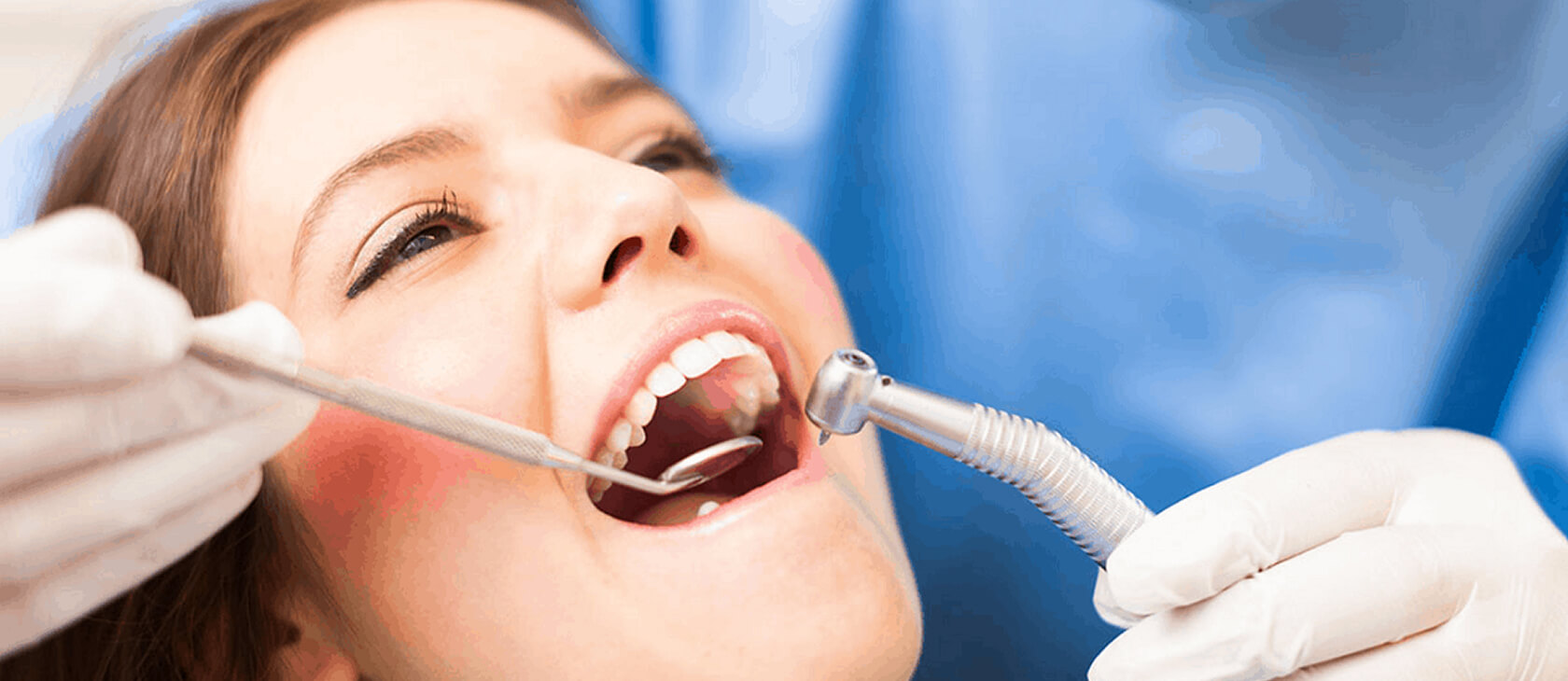
Decayed or weakened tooth structure is removed and the tooth is prepared as needed. A provisional crown may be used to protect the tooth.

Digital Impression and Fabrication

An intraoral scan or impression records the tooth and bite for a customized all-ceramic crown made by the dentist and dental technician.

Try-In, Bonding, and Follow-Up

Color, fit, contact points, and bite are checked before bonding, followed by appropriate review visits.

Whether all-ceramic crown is suitable depends on the remaining tooth structure, root and periodontal health, occlusal forces, and cleaning ability. If there are cavities, periodontal inflammation, or bruxism, these should be addressed first and included in the restoration design; the dentist will also explain the material options, treatment limitations, and subsequent maintenance methods.

All-Ceramic Crown Treatment Process

8-1 [Inlay/Onlay]Initial Intraoral View

Comprehensive Assessment and Material Selection

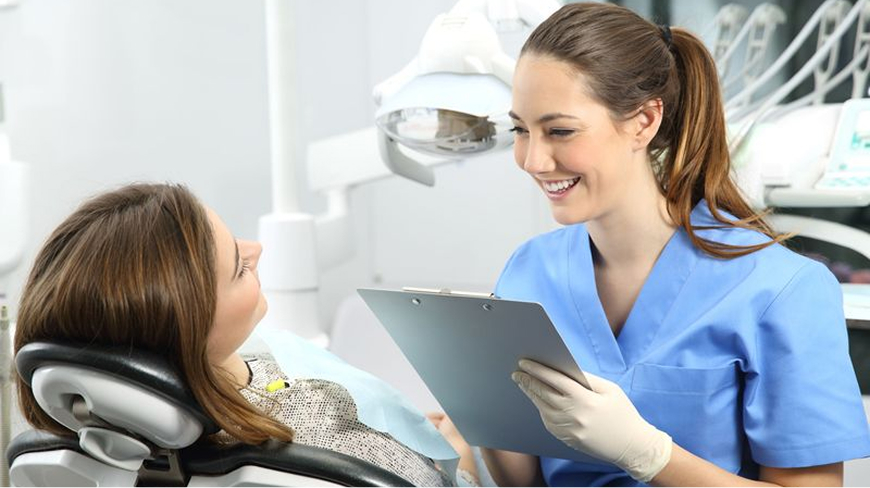
The dentist assesses the root, periodontal tissues, remaining tooth structure, and bite through an oral examination and necessary imaging, then selects a material according to bite forces and aesthetic needs.
All-Ceramic Crowns in Taipei image

Tooth Preparation, Impression, and Provisional Restoration

After necessary tooth preparation, a digital scan or impression records the tooth and bite. A provisional crown may be used during fabrication when appropriate.

8-3 [Inlay/Onlay]Completed Treatment

Try-In, Bonding, and Long-Term Maintenance

Color, shape, marginal fit, contacts, and bite are checked before bonding. All-ceramic crowns still require floss or interdental cleaning and regular reviews; longevity varies with tooth structure, bite, grinding habits, and maintenance.
All-Ceramic Crowns in Taipei image

Preoperative Assessment

Before treatment, check the pulp and root condition, periodontal support, remaining tooth structure, occlusion, and bruxism habits; if necessary, arrange imaging examinations. If there are cavities, infection, or periodontal inflammation, these must be controlled first before proceeding with restoration.