





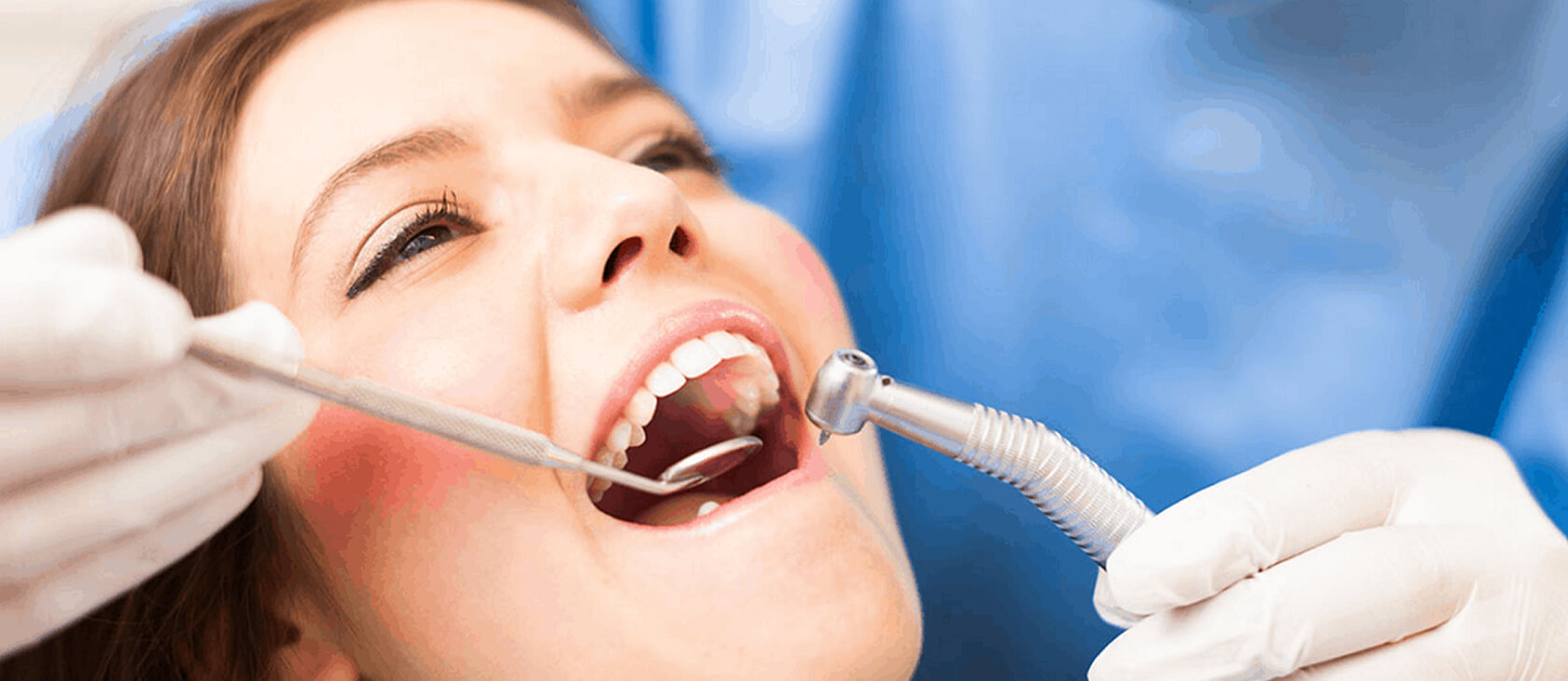
Full-Mouth Reconstruction
Precision-Guided, Patient-Centered Care
Three-Step Reconstruction with Same-Day Provisional Teeth When Appropriate

Examination and Assessment
3D imaging and intraoral scanning are used to assess the teeth and supporting bone and to plan an individualized full-mouth reconstruction.

Surgical Preparation
Digital planning is used to evaluate implant positions and support precise surgical preparation. A specialist dentist performs the procedure based on the individual plan. When clinically appropriate, provisional teeth may be placed on the same day to support appearance and limited function during healing.

Completing Treatment
After the gums and bone have healed, digital impressions are used to create the final prosthesis with attention to function, fit, and natural appearance.
Navident Dynamic Navigation Implant Surgery (Minimally Invasive da Vinci Robotic Arm Implant Surgery) FAQs
Q9. Can older adults or people with chronic conditions, such as hypertension or diabetes, undergo dynamic navigation implant surgery?
When chronic conditions are well controlled and vital signs are stable, most older adults and patients with chronic conditions can still safely undergo implant surgery. With its small incisions, limited bleeding, and short surgical time, minimally invasive implant surgery is relatively gentler for older adults and patients with a history of cardiovascular disease or diabetes, reducing the physical burden during surgery. Nevertheless, a comprehensive health assessment is recommended beforehand, with consultation with an internal medicine physician when necessary to confirm surgical safety.
Q10. Is dynamic navigation implant surgery also suitable for people missing all or several teeth?
Yes. The advantages of the Navident dynamic navigation implant surgery (minimally invasive da Vinci implant surgery) navigation system are even more evident in complex cases involving a fully toothless arch or multiple missing teeth. Before surgery, the dentist can plan the position, angle, and depth of every implant as a whole, ensuring that the distribution of the artificial tooth roots and their occlusal relationships have been carefully calculated. The implants are then precisely placed one by one according to the plan, while the stability of the robotic arm effectively reduces surgical errors and risks.
Q12. What examinations are needed before implant surgery? Is a 3D CT scan necessary?
With 3D CT images, the dentist can precisely measure jawbone height, width, and bone density, while clearly identifying the exact locations of nerves and blood vessels. This information is an indispensable basis for implant navigation planning and directly affects the safety and accuracy of surgery.
Q16. Is special care needed after dynamic navigation implant surgery?
Although the artificial tooth root itself cannot develop cavities like a natural tooth, the surrounding gum and bone tissues can still become inflamed if cleaning is inadequate, leading to a complication known as peri-implantitis. Over time, this may affect the stability and even the lifespan of the implant. Patients are advised to develop proper oral hygiene habits, use dental floss or interdental brushes to clean around implants, and attend regular checkups as recommended by their dentist to maintain long-term implant stability and function.
Q17. Why can thorough implant planning extend implant longevity and make maintenance easier?
Comprehensive preoperative 3D navigation planning with Navident dynamic navigation implant surgery (minimally invasive da Vinci implant surgery) allows the crown position to align more closely with the ideal axis, enabling a screw-retained design. This design makes removal and maintenance during routine follow-up visits easier and reduces the risk of peri-implantitis. It also distributes biting forces more evenly, greatly extending the lifespan of the implant.