






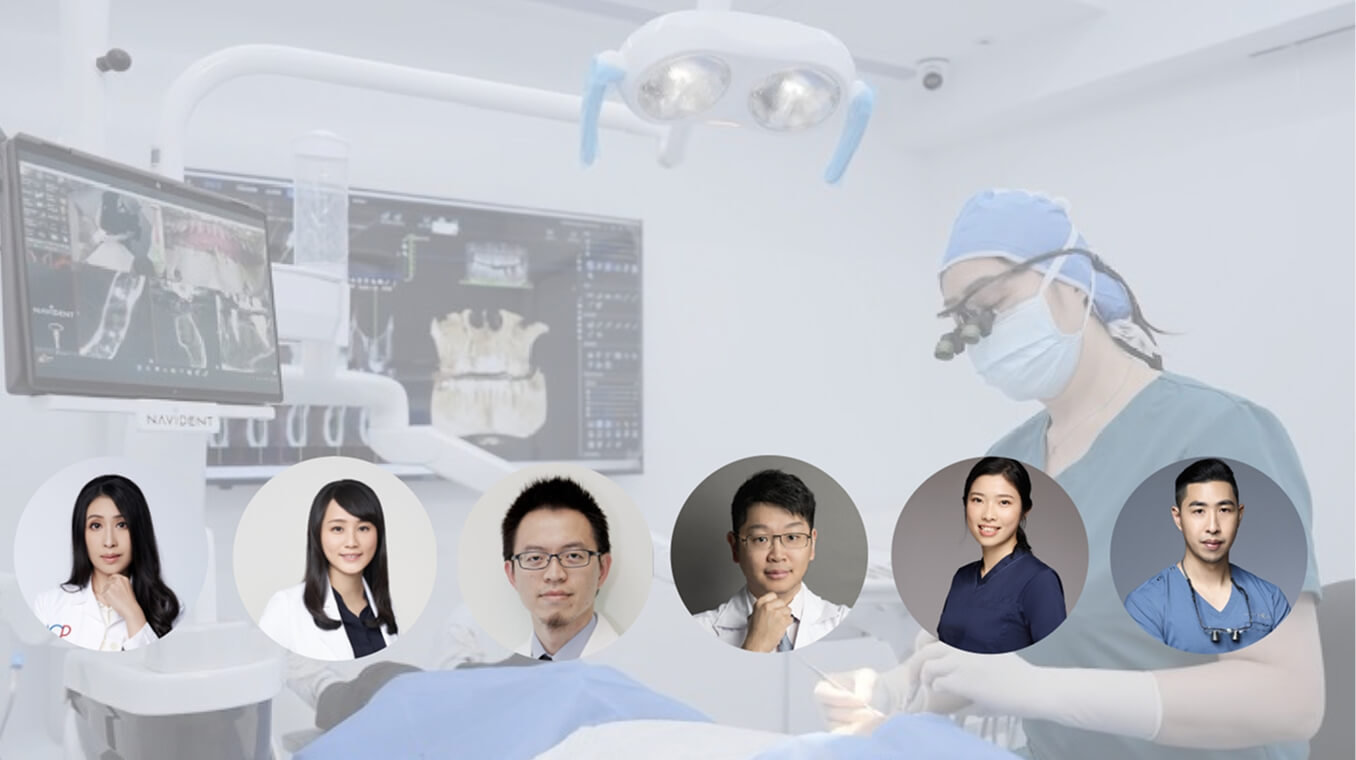


Advanced Technology
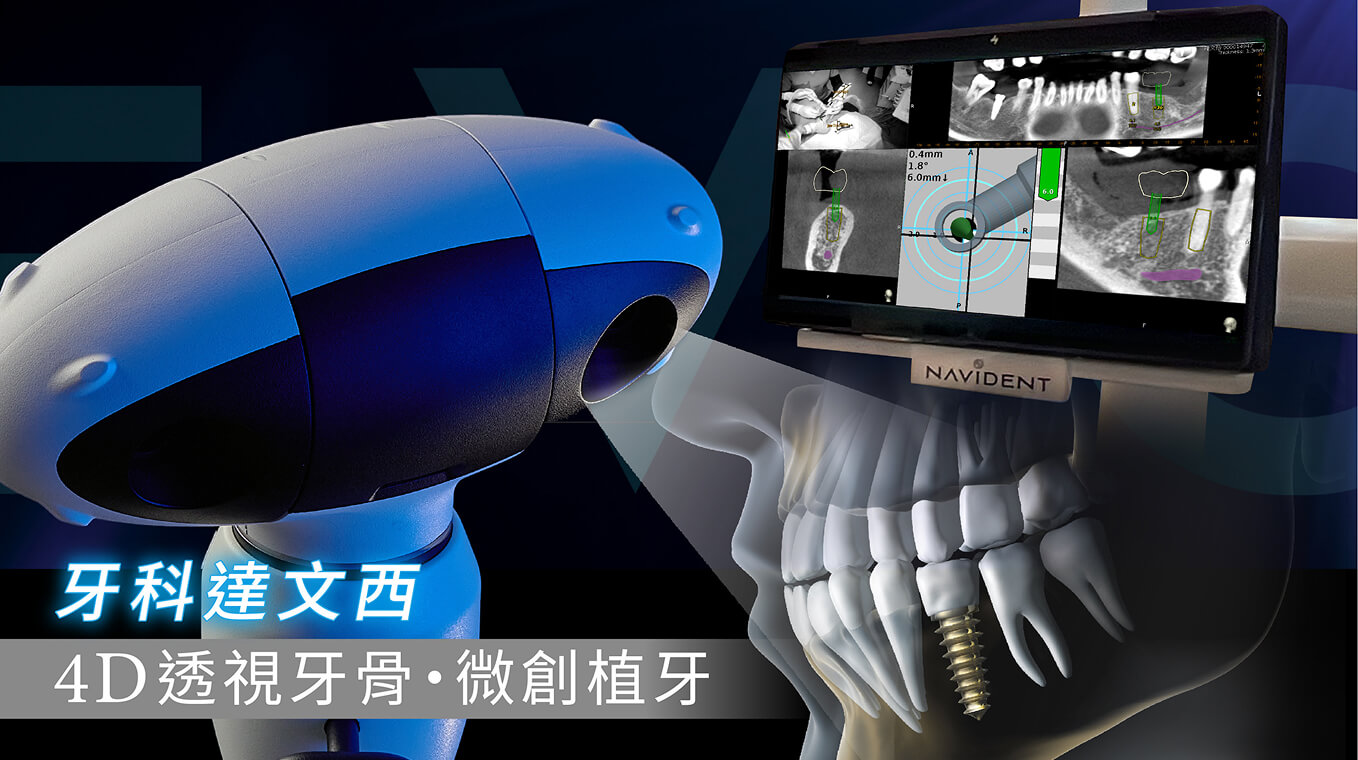
Da Vinci–Inspired Minimally Invasive Implant Technology

Same-Day Care
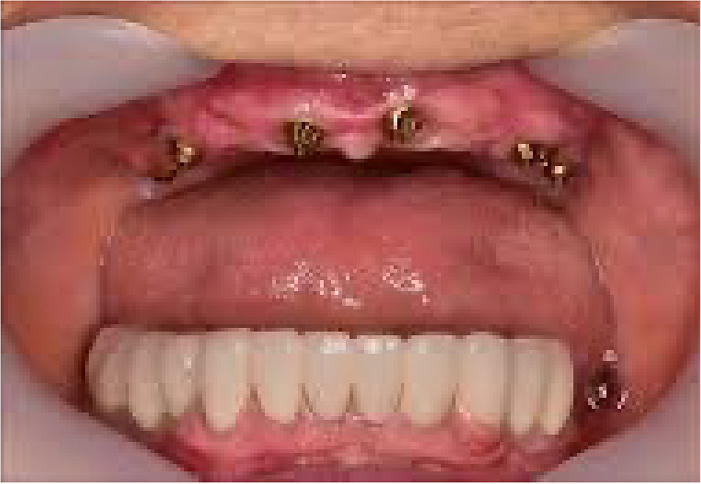
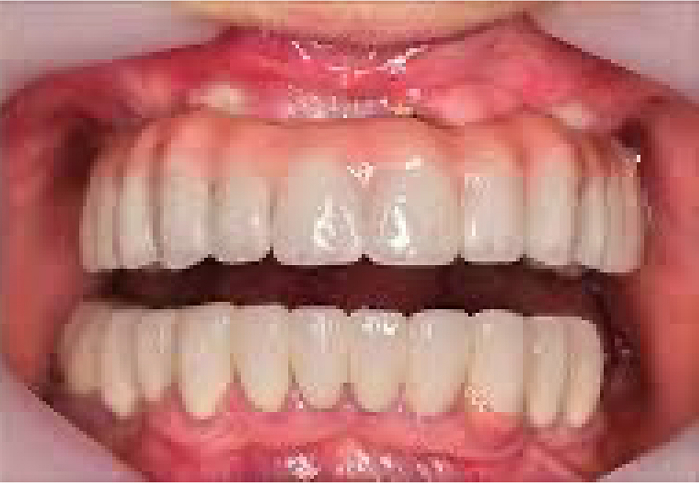
Immediate Fixed Full-Arch Implant Teeth

Medical Center–Grade
Instrument Processing and Sterilization
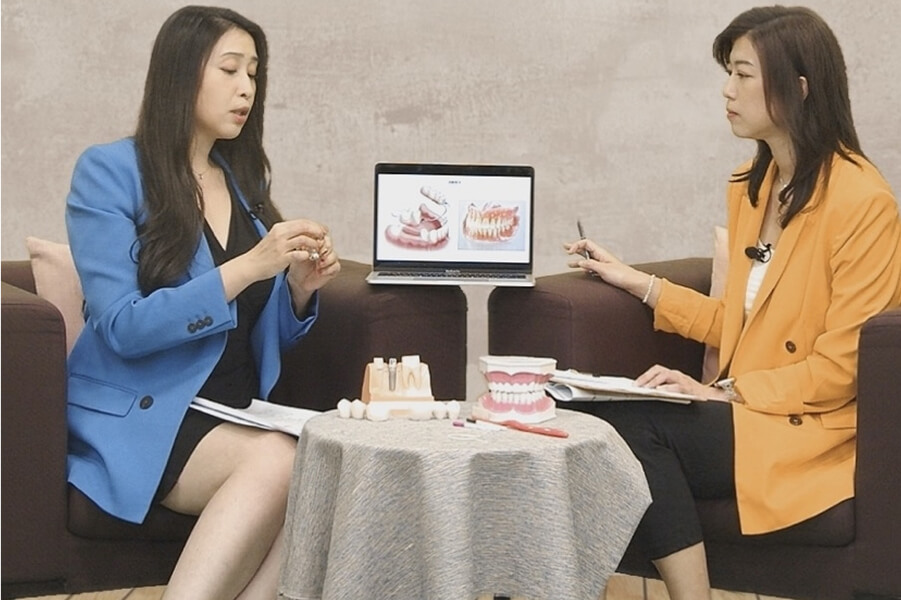
Step 1
Specialist-Led Personalized Diagnosis and Consultation
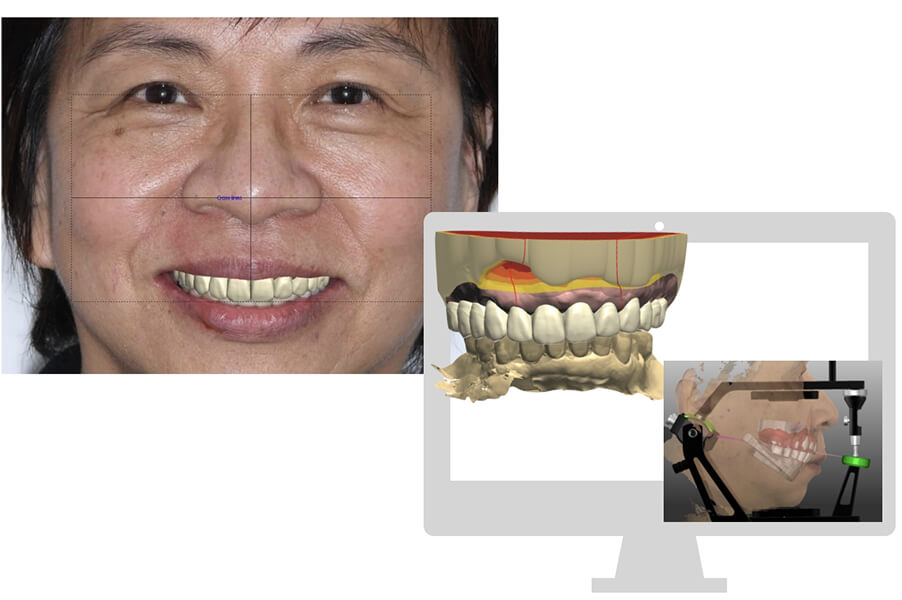
Step 2
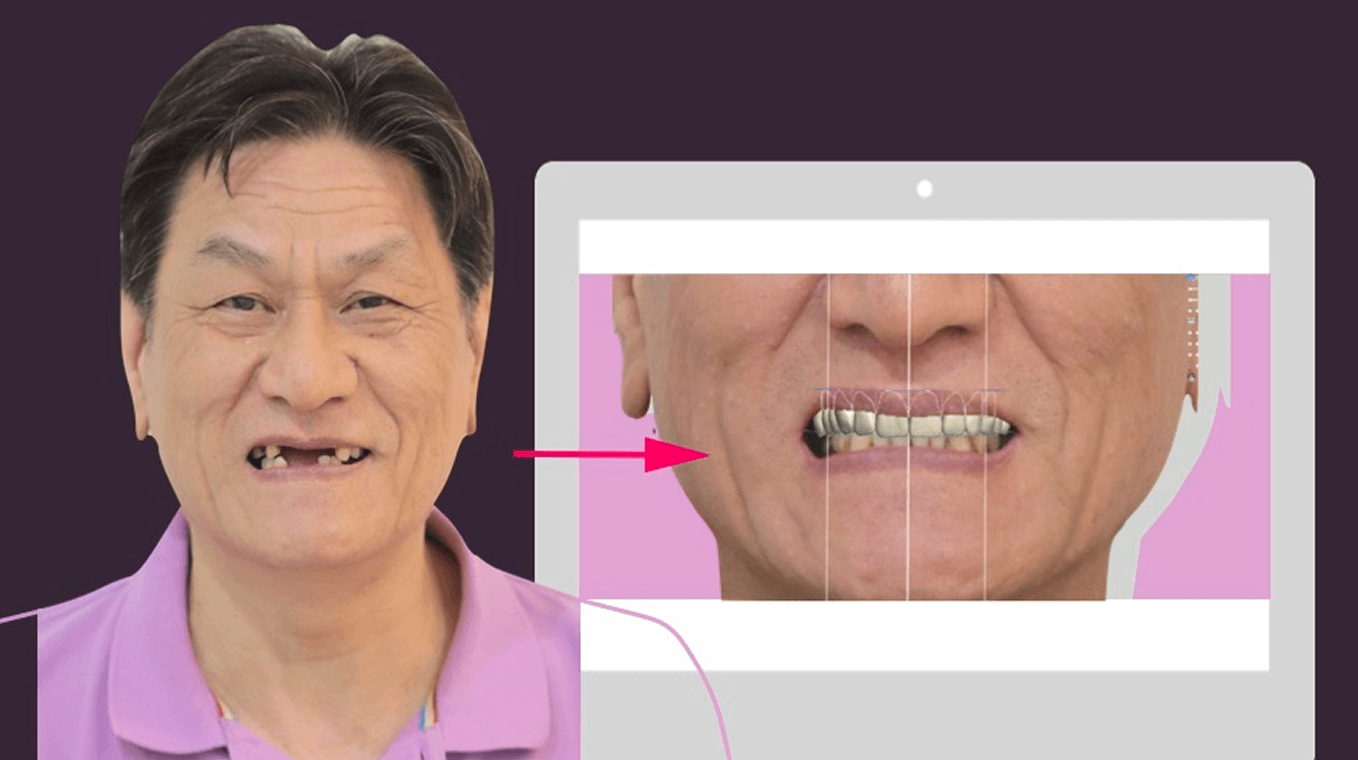
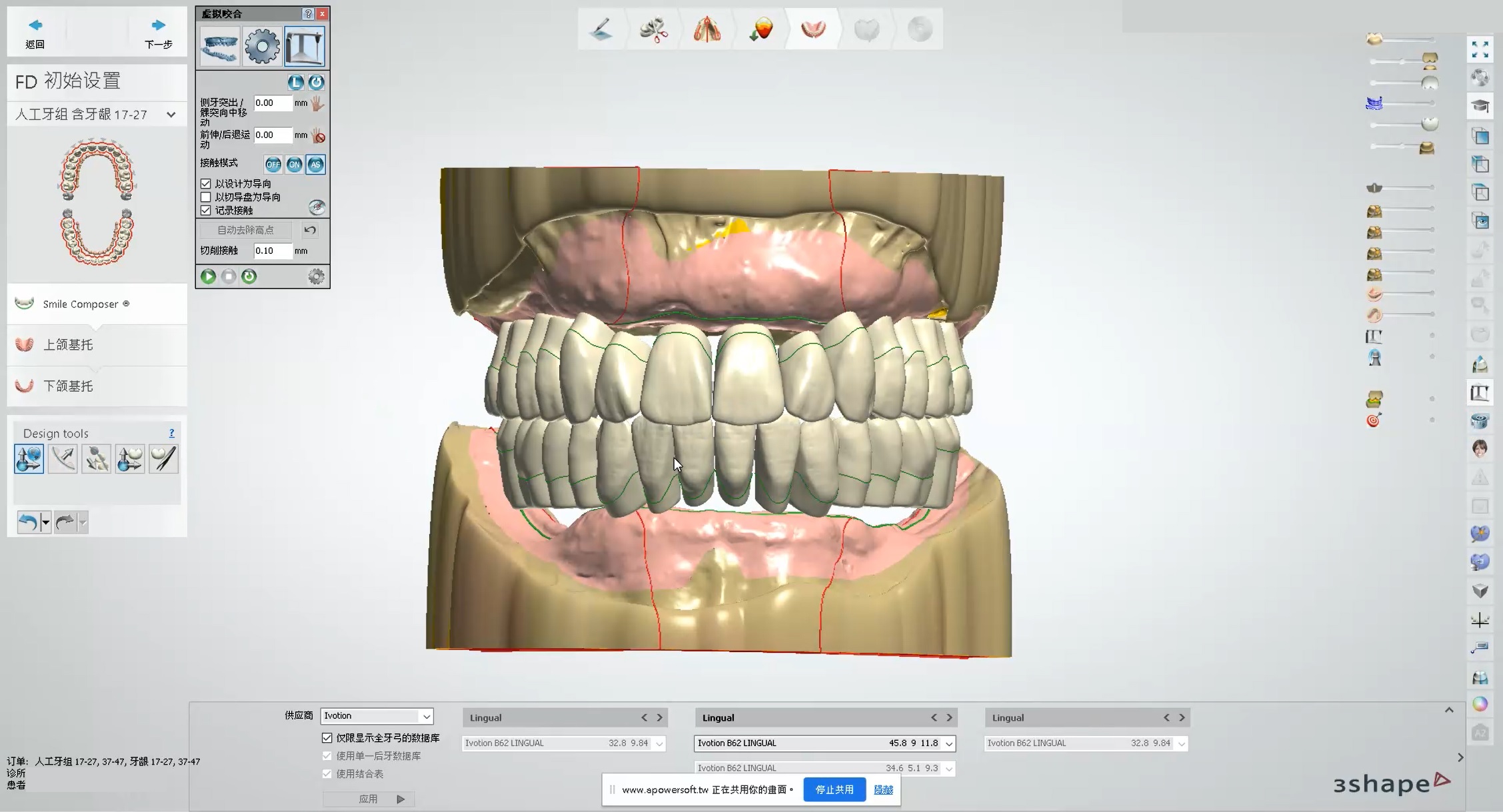
Digital 3D Smile Analysis AI-Assisted Occlusal and Biomechanical Modeling
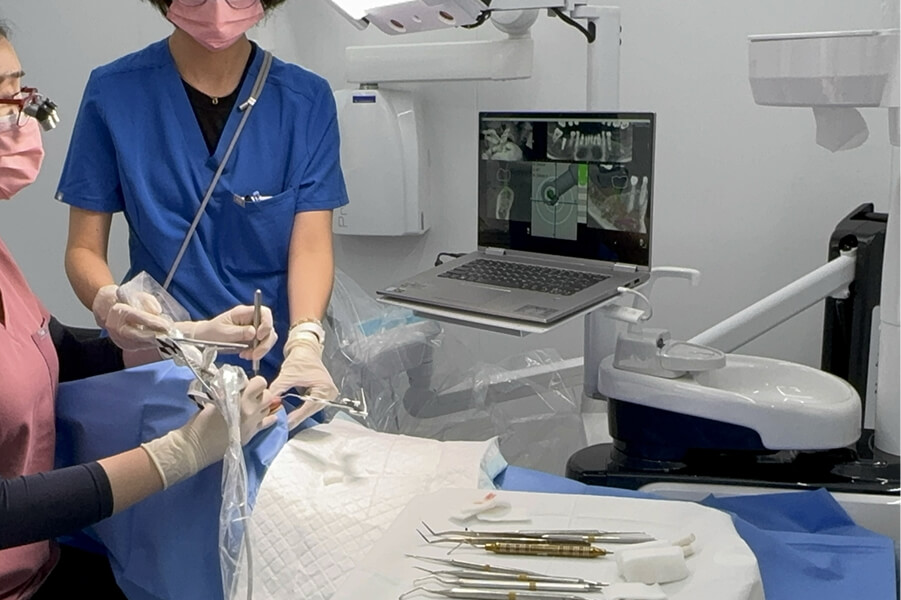
Step 3
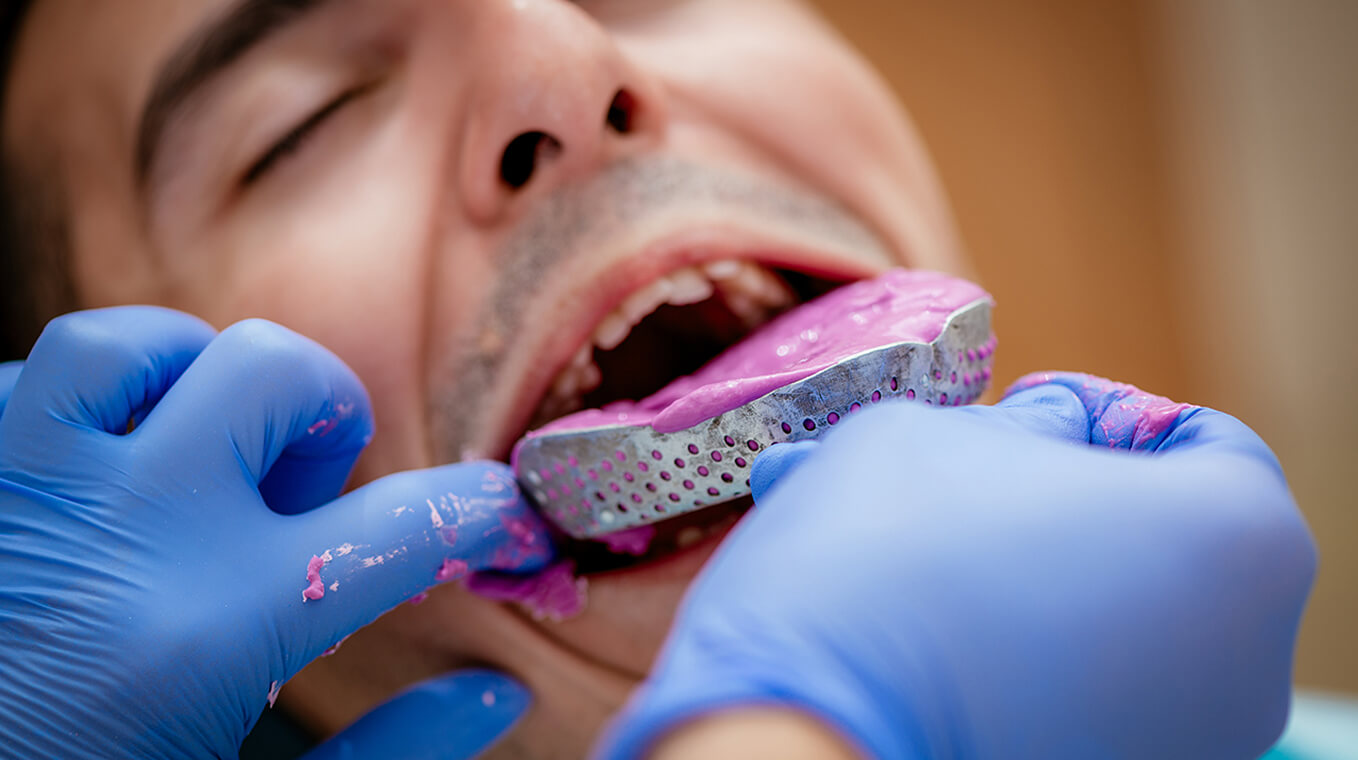
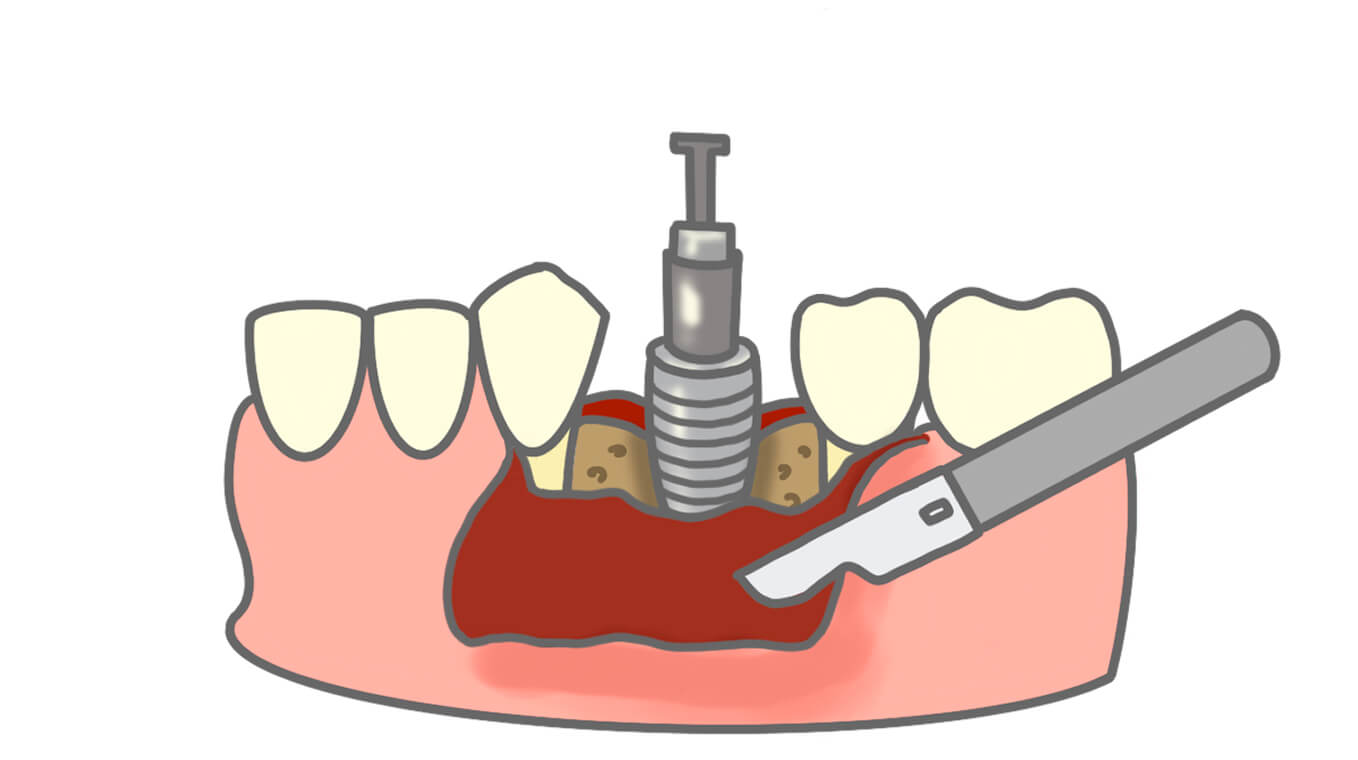
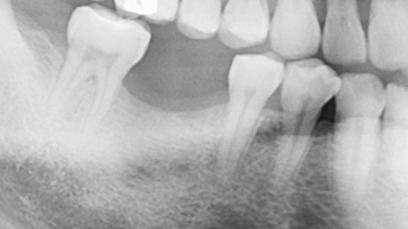
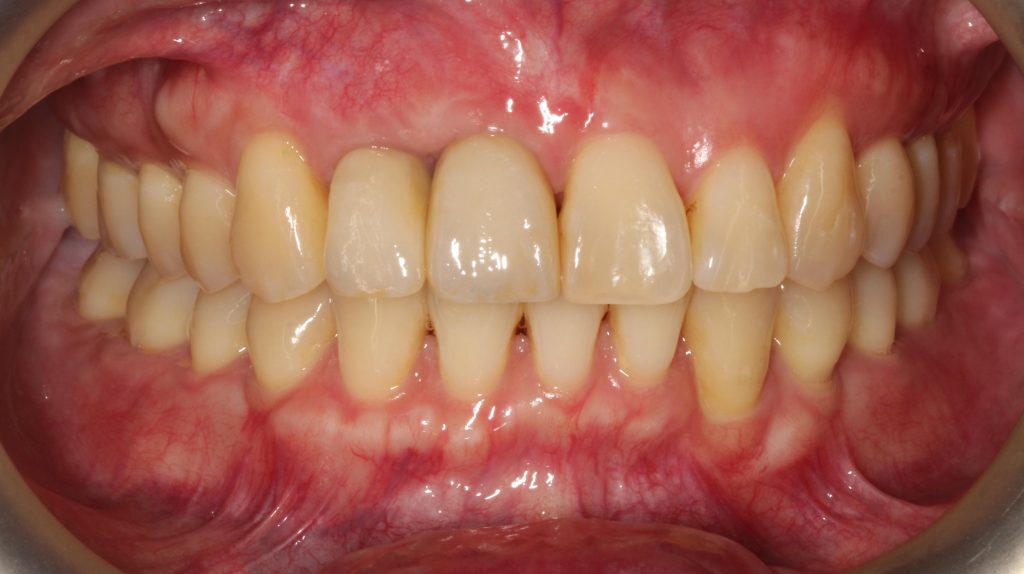
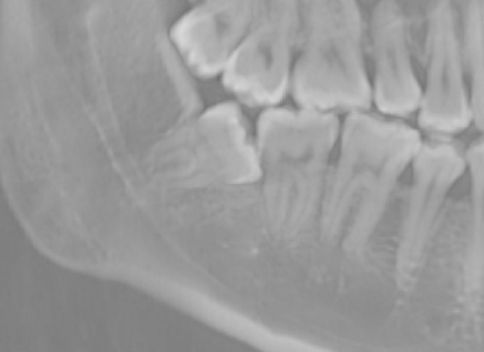
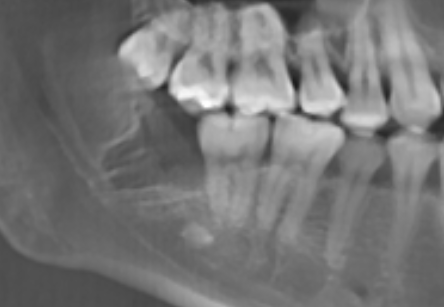
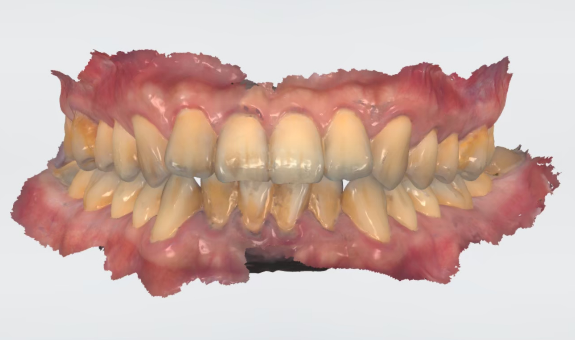
Precision, Minimally Invasive Treatment Implants / Bone Grafting / Veneers








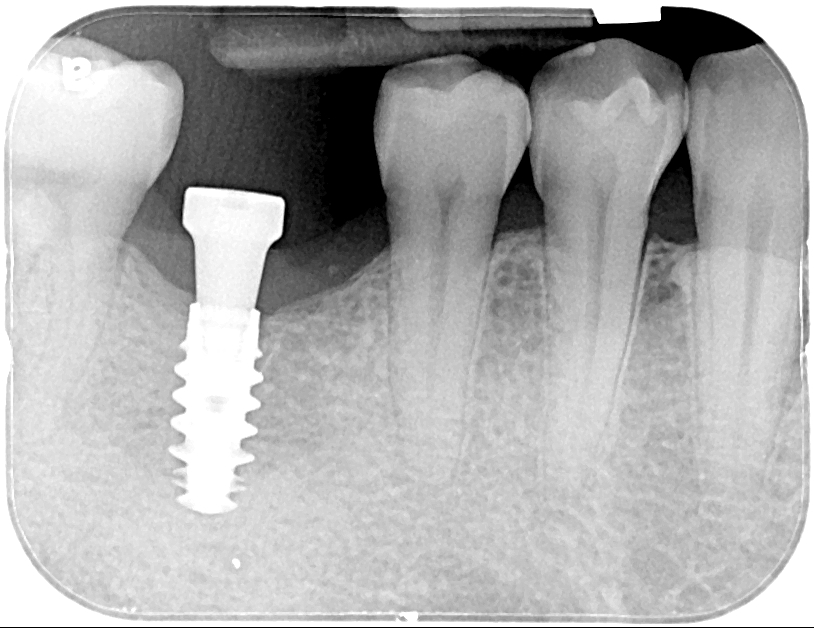
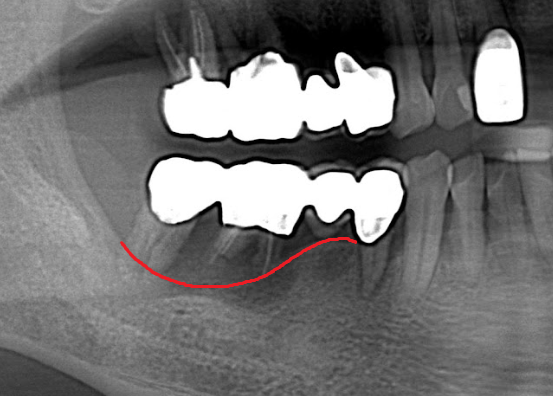
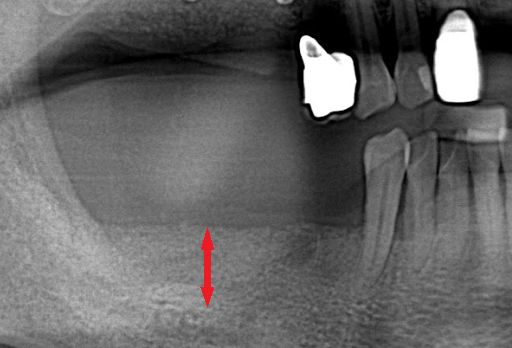
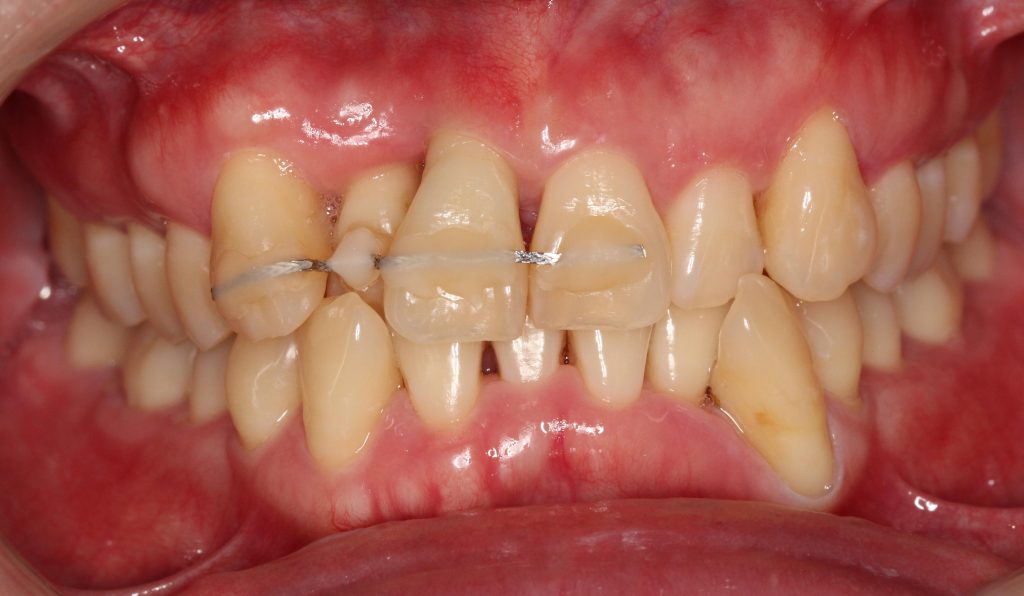
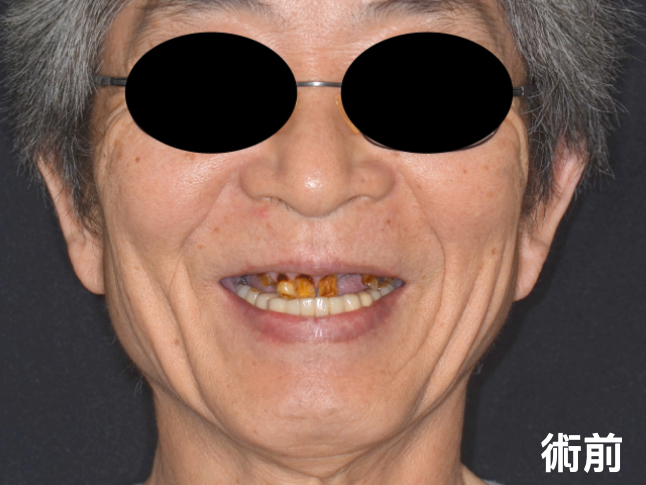
![8-1 [Inlay/Onlay]Initial Intraoral View](https://drselenekuo.com/wp-content/uploads/2025/10/8-1-嵌體初始口內.png)
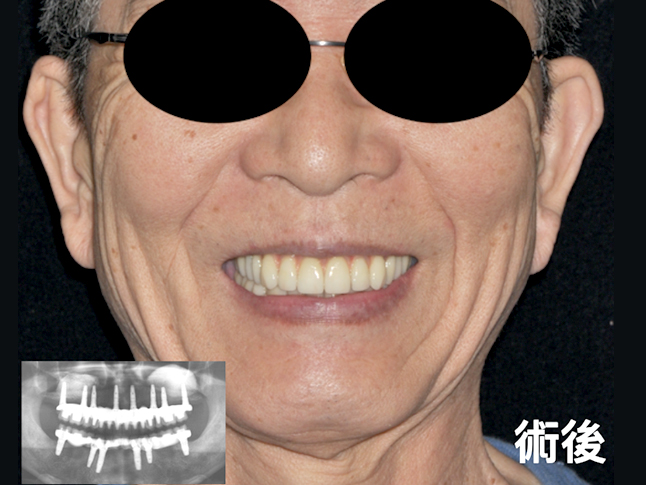
![8-3 [Inlay/Onlay]Completed Treatment](https://drselenekuo.com/wp-content/uploads/2025/10/8-3-嵌體完成.png)
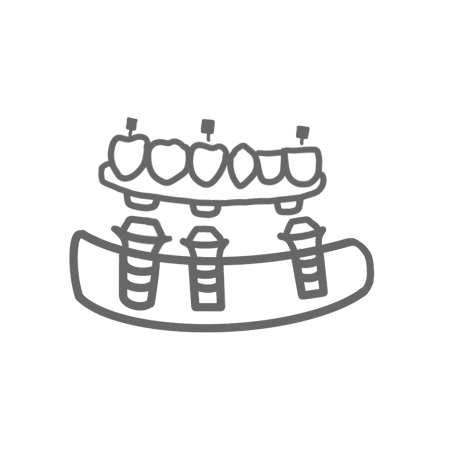

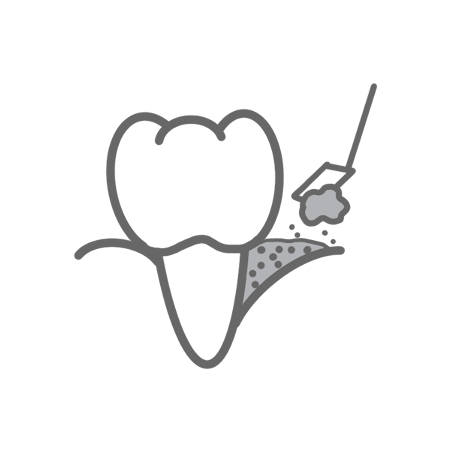
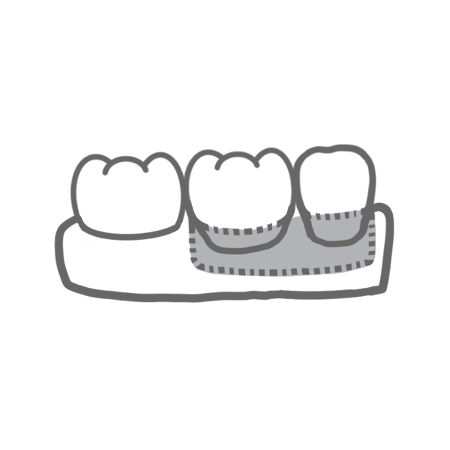



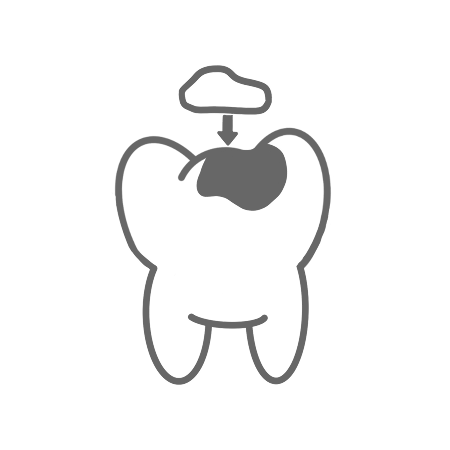

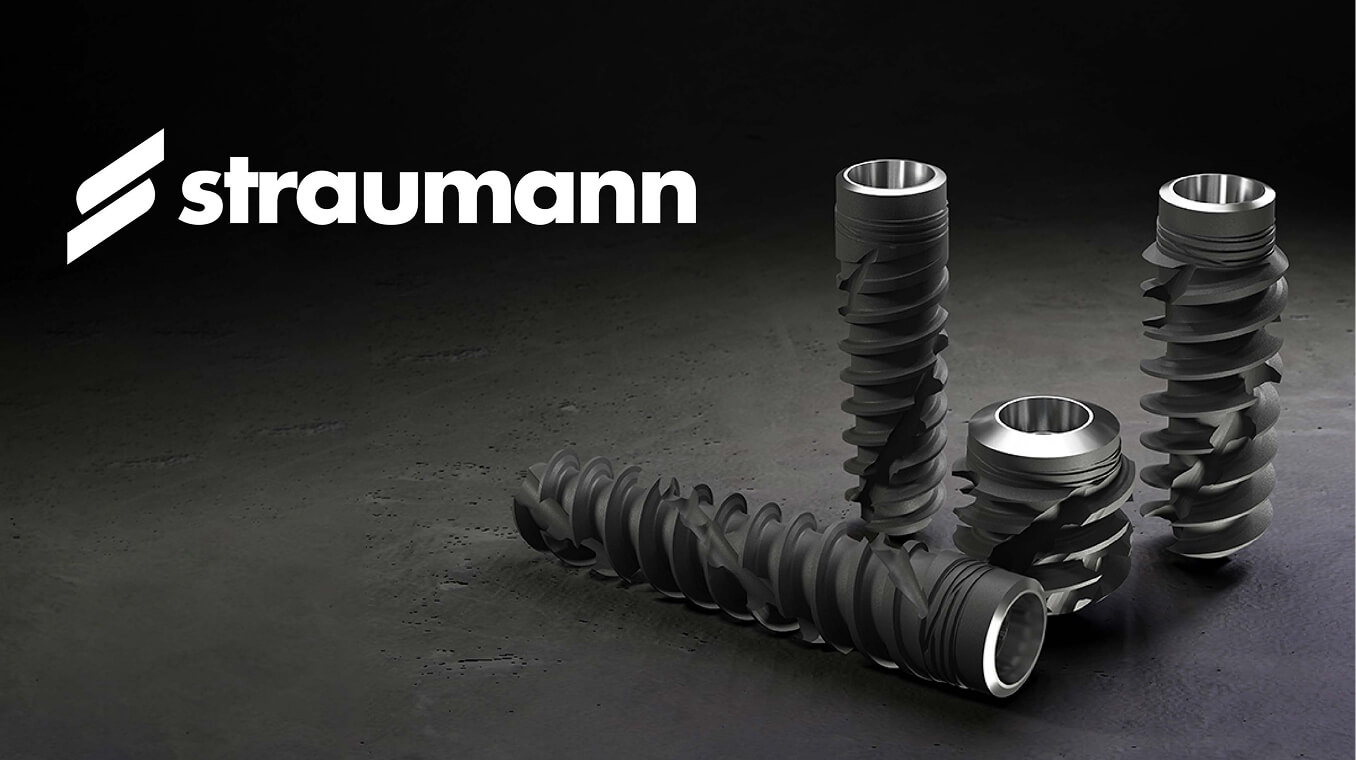
- StraumannPremium Swiss Implant System
Hydrophilic Surface and High-Strength Material
Designed for a Wide Range of Clinical Situations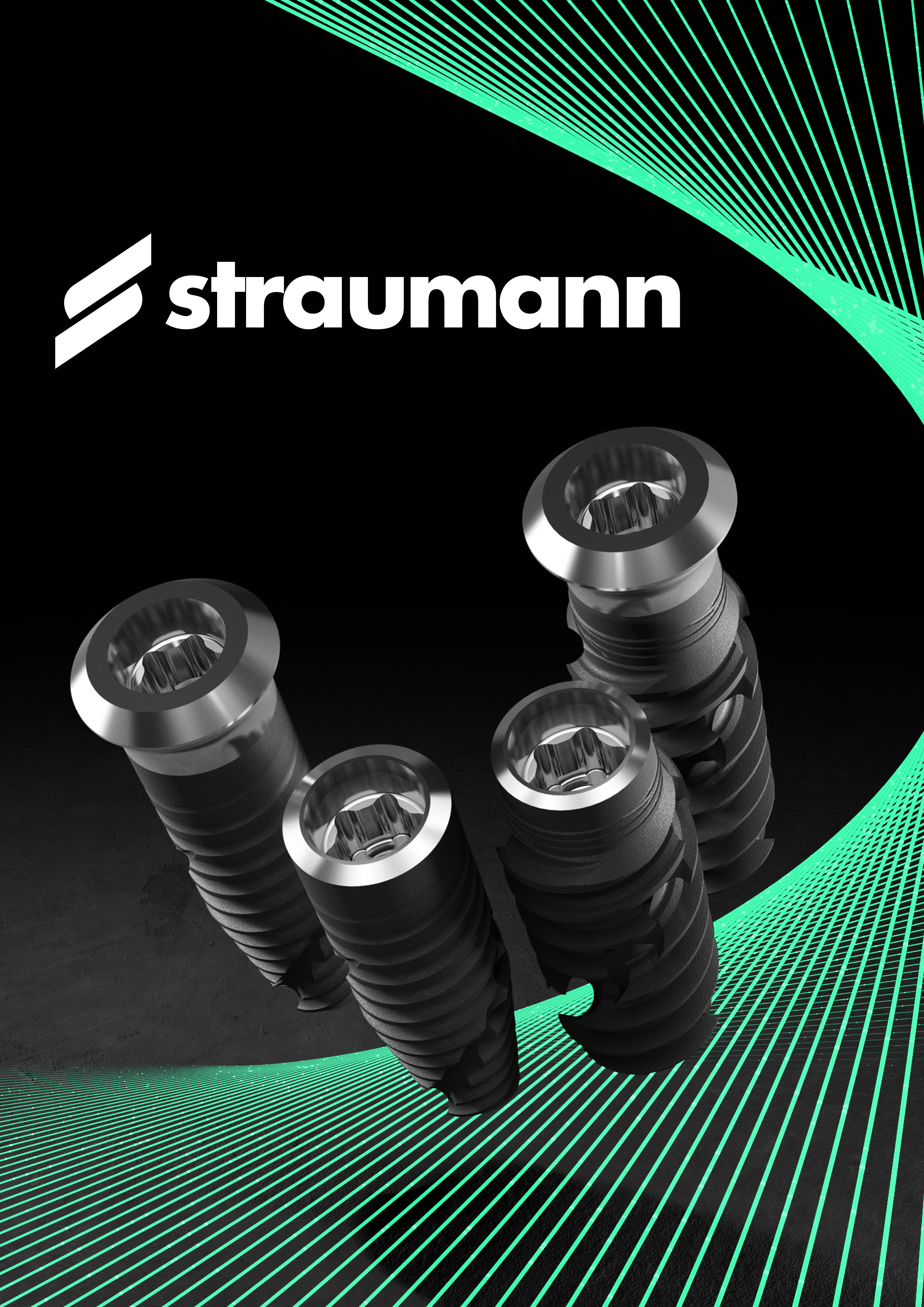
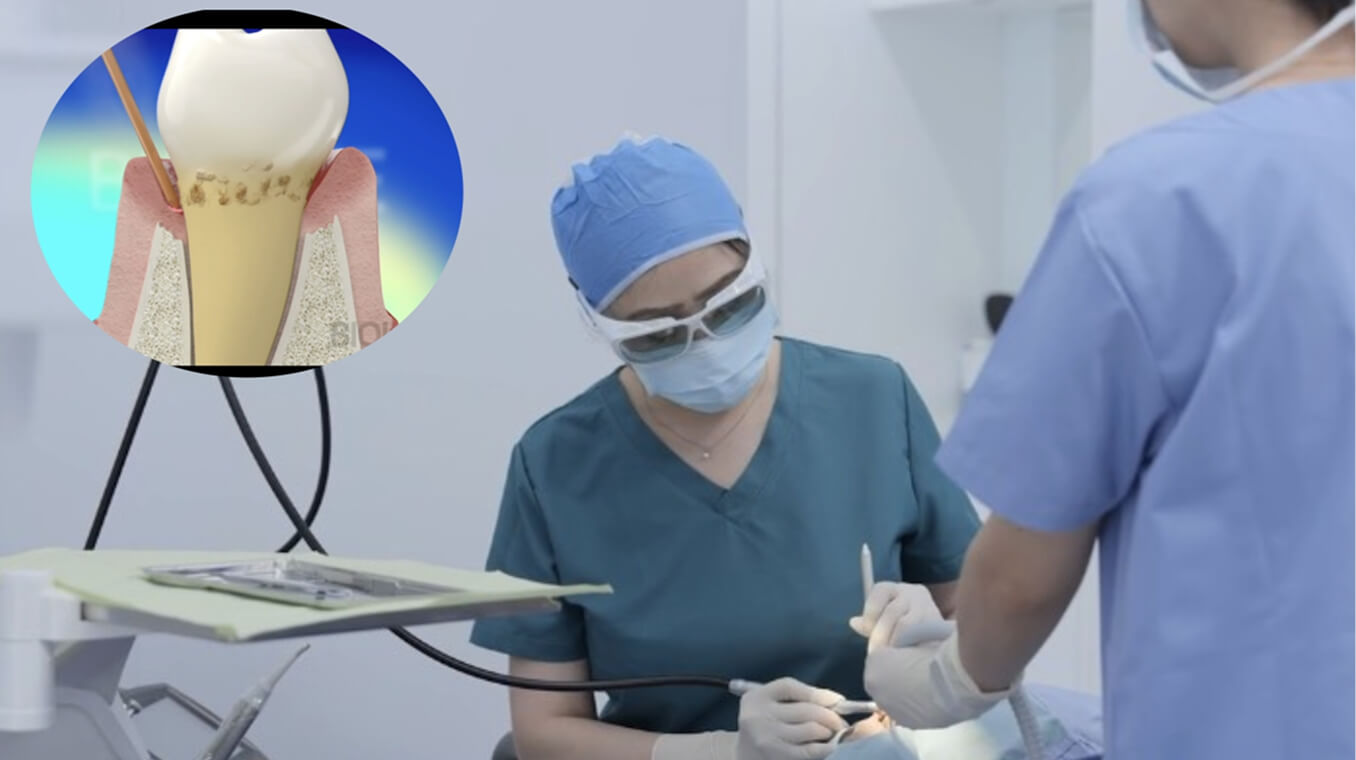
- Water LaserPowered by an Er,Cr:YSGG Crystal
Emits a 2,780 nm wavelength that interacts with water molecules.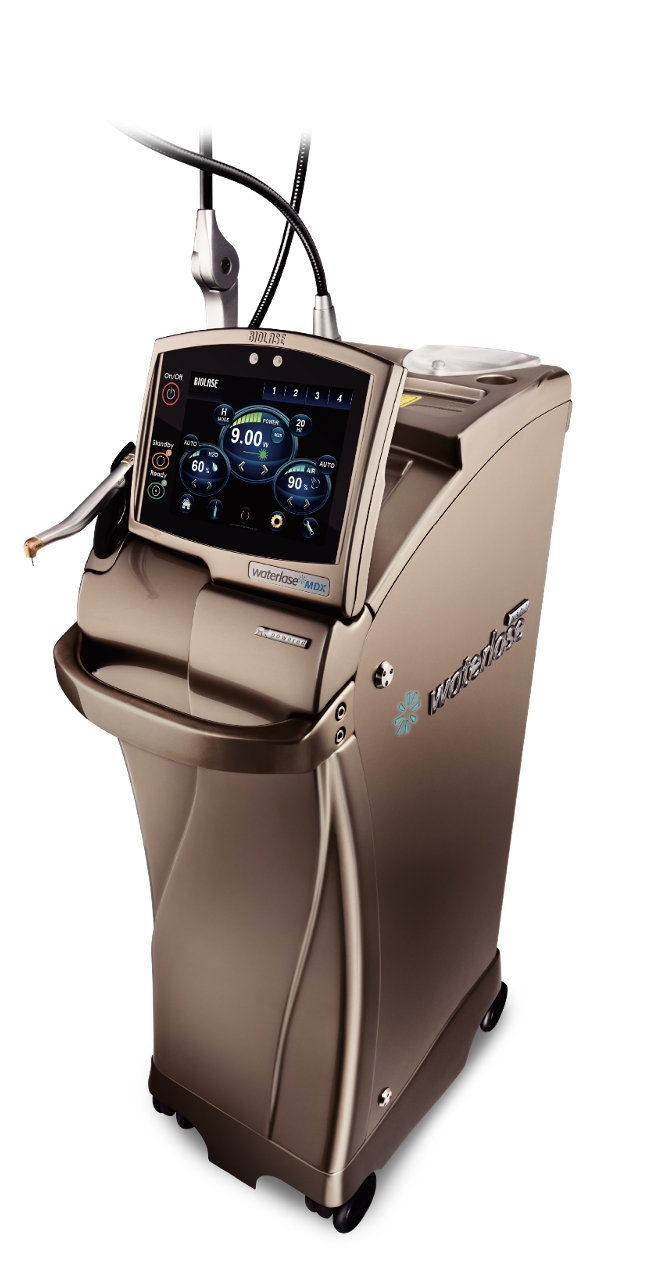
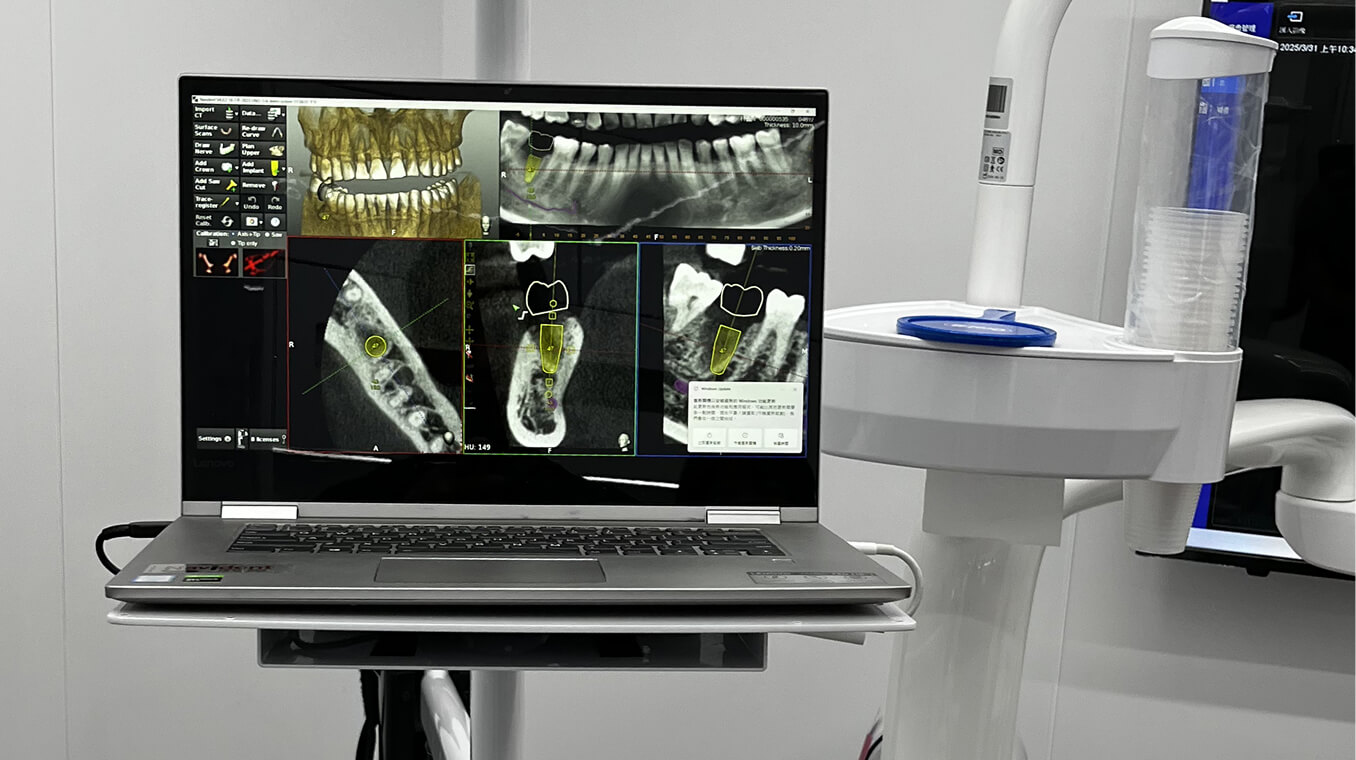
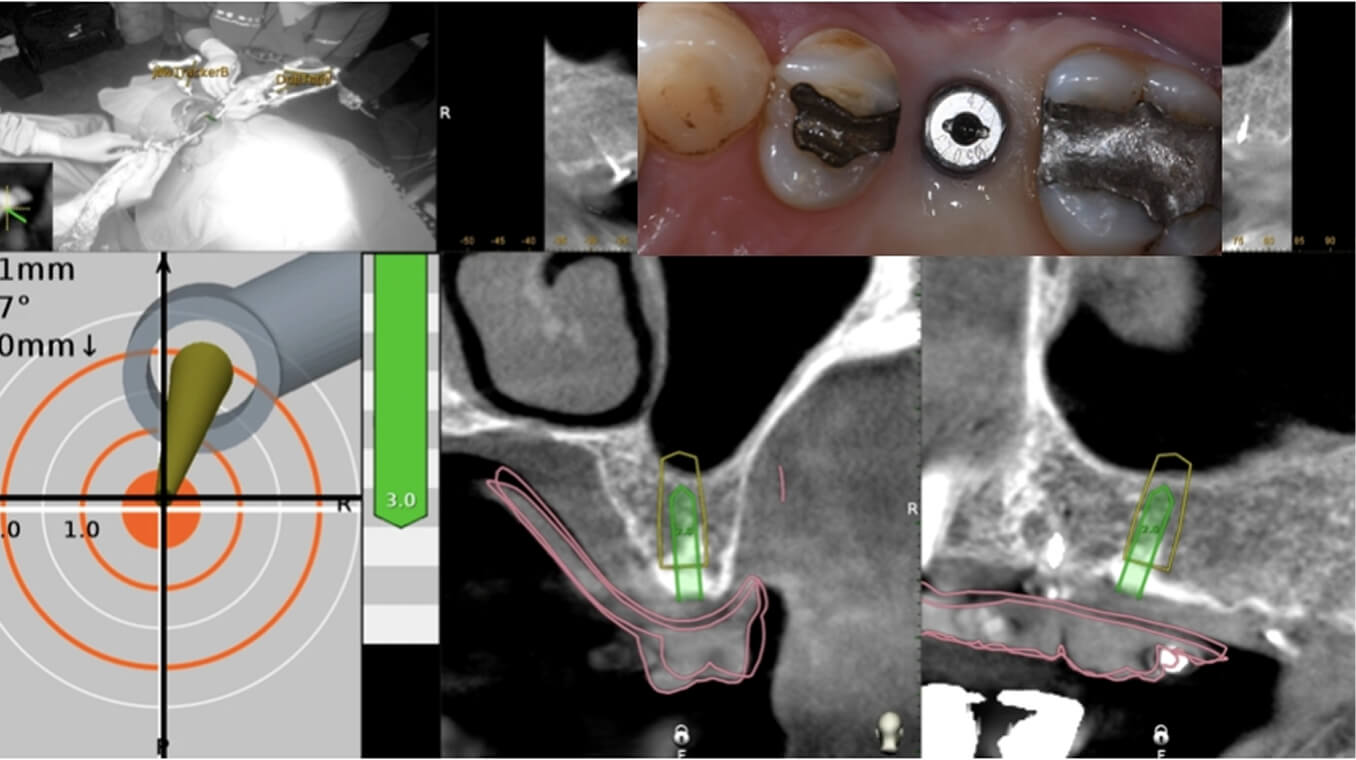
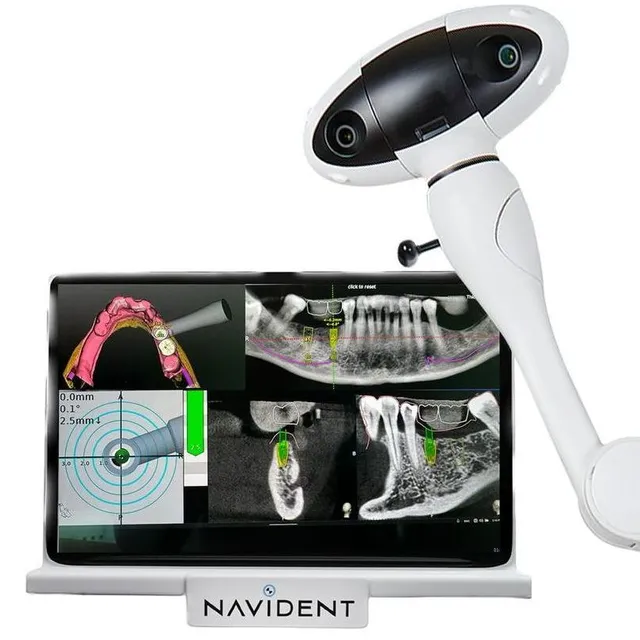
- NavidentReal-time implant navigation helps the dentist follow the planned position and supports a more controlled treatment experience.
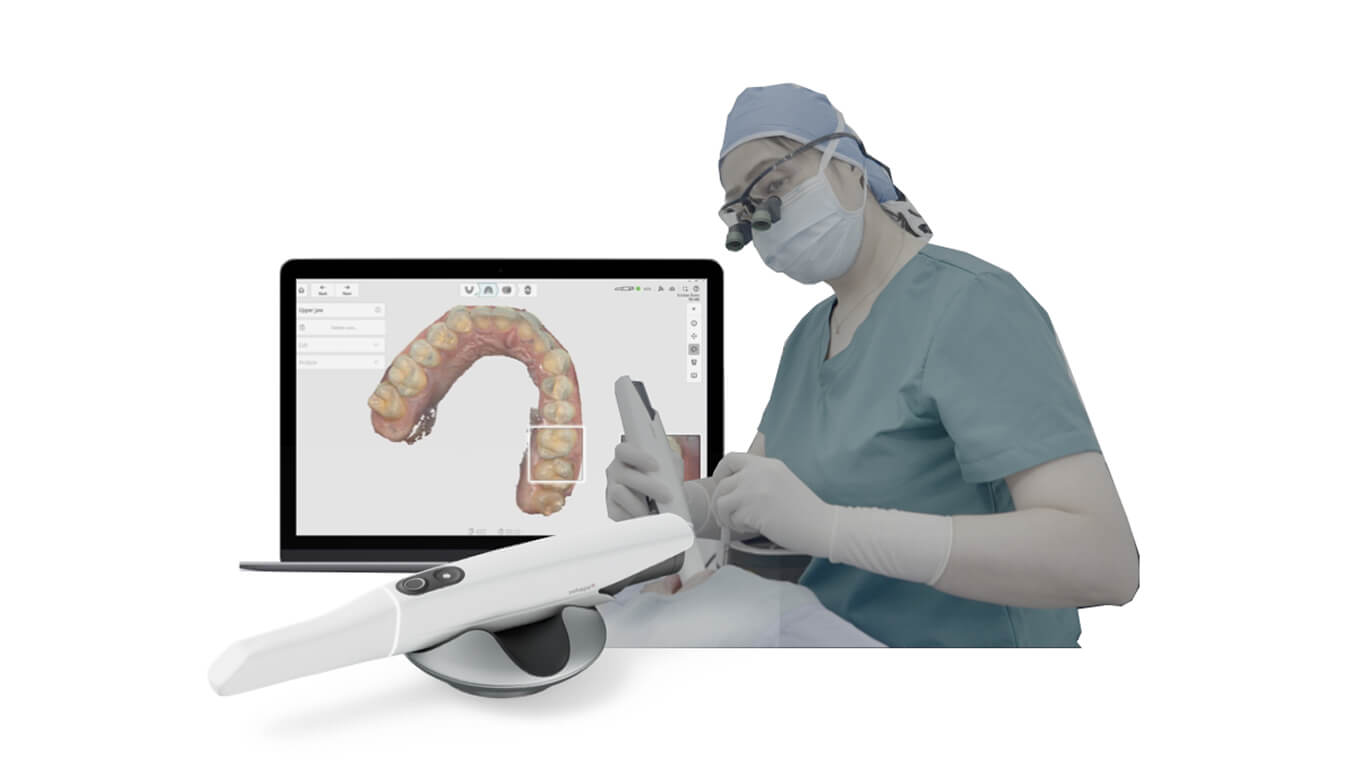
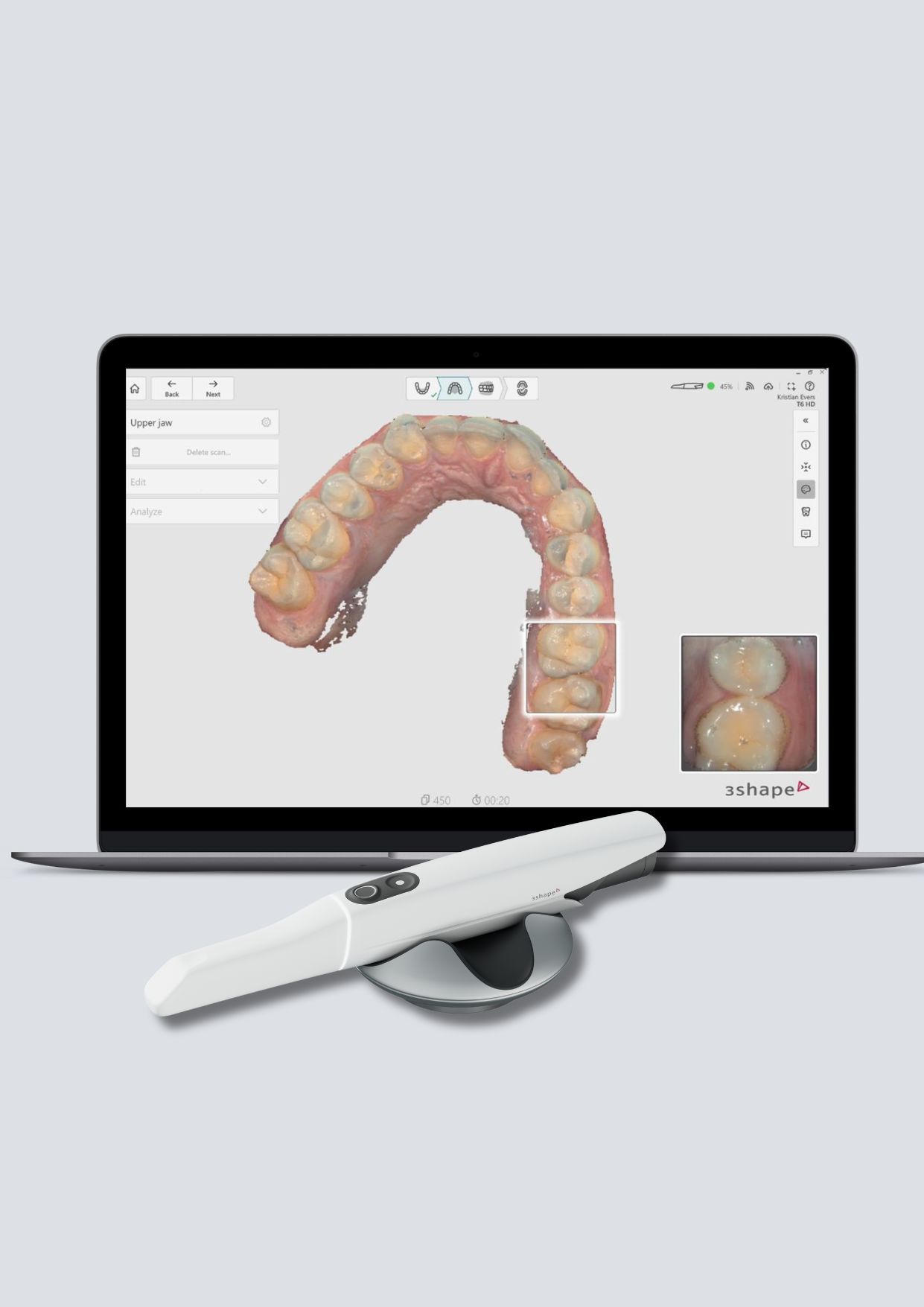
- 3shapeCreates a precise 3D model without a conventional impression. ScanAssist AI supports an efficient and comfortable digital workflow.
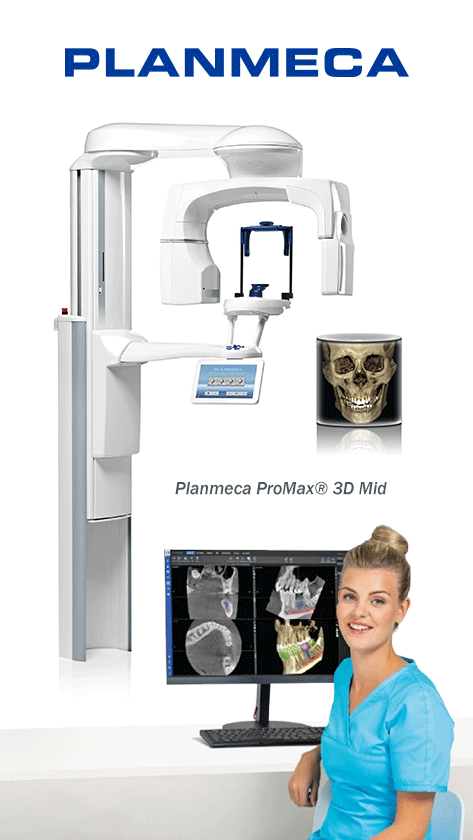
- CBCTPlanmeca 3D imaging provides detailed views of the teeth and jaws to support diagnosis and treatment planning.
- MelagMedical Center–Grade Instrument Washer-Disinfector
High-temperature, high-pressure cleaning supports consistent instrument processing.
German-Engineered Sterilization Equipment
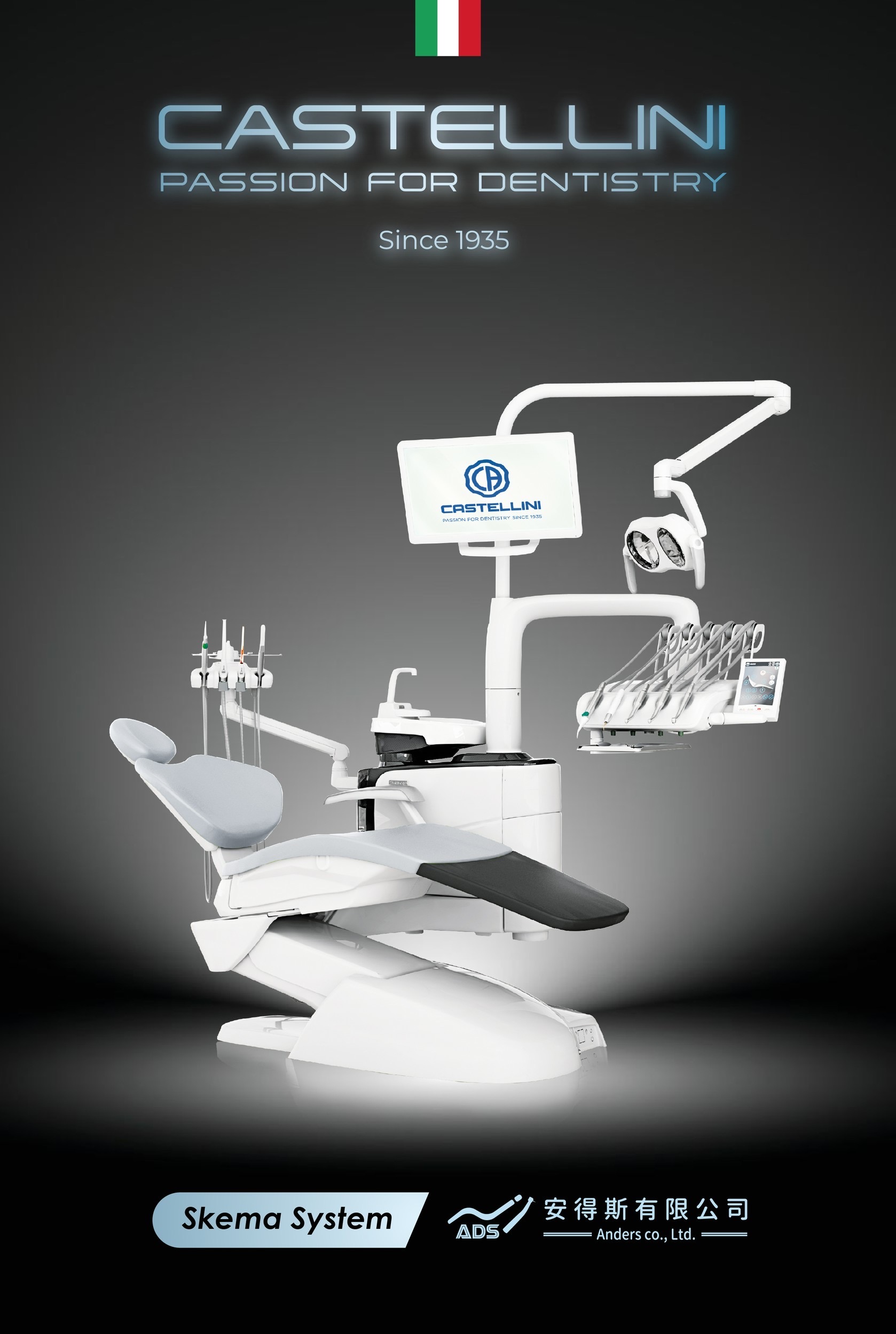
- Castellini SKEMA Dental ChairAn Italian-designed dental chair built for clinical ergonomics and patient comfort.
- DentsplyA Leading Global Dental Brand
Premium Swiss Straumann Implants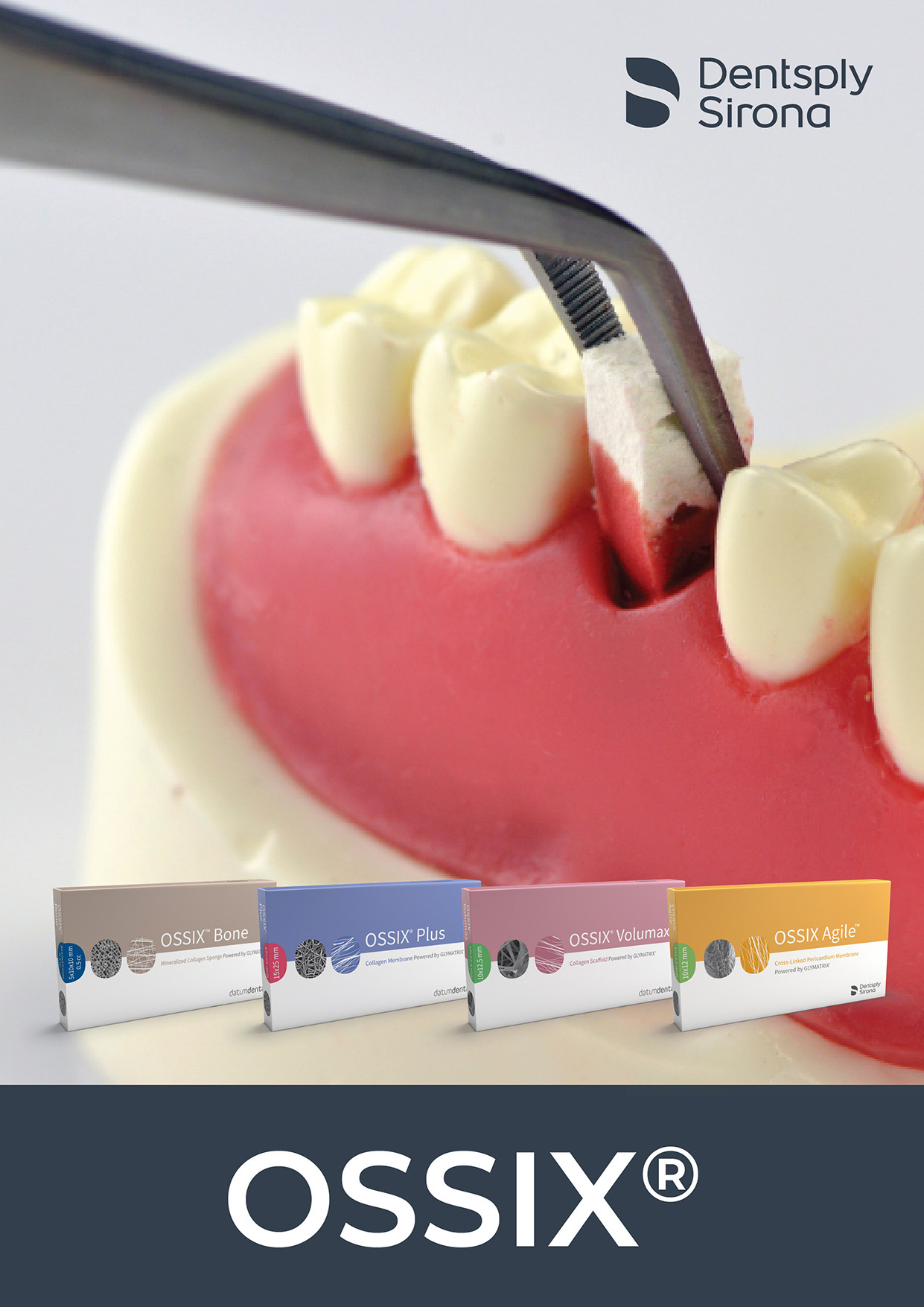
- IvoclarA Leading Global Dental Brand
Premium Swiss Straumann Implants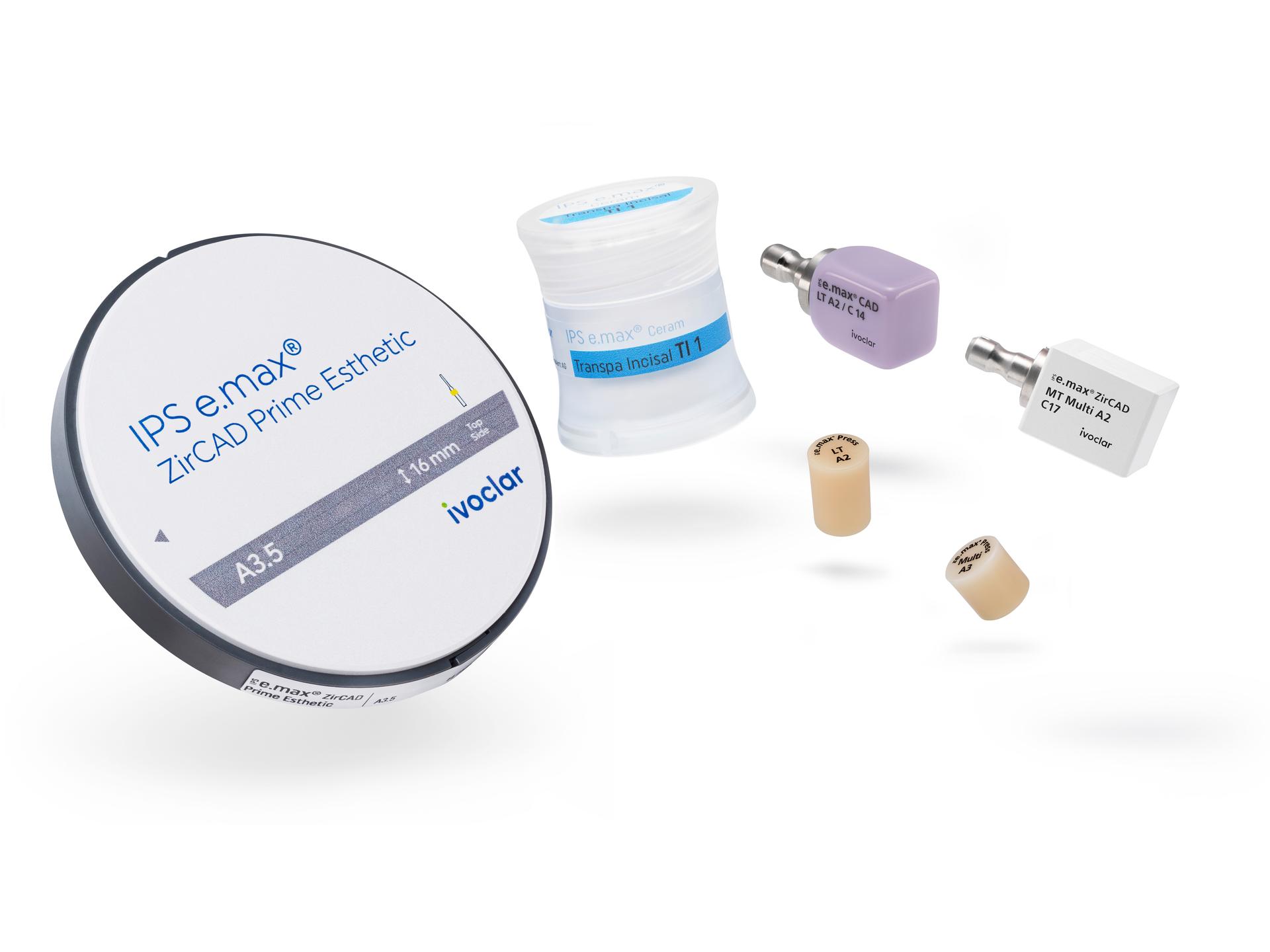
- 3MA Leading Global Dental Brand
Premium Swiss Straumann Implants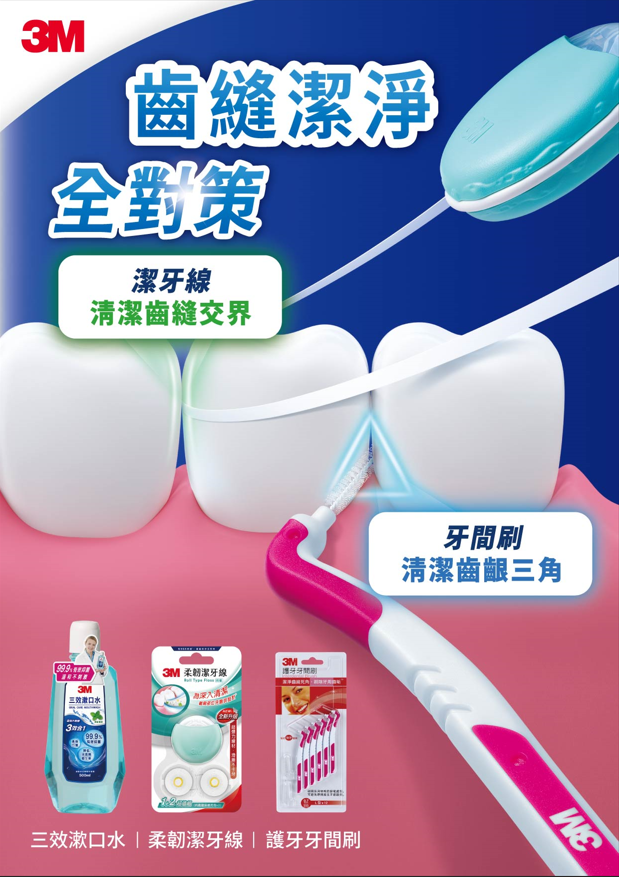
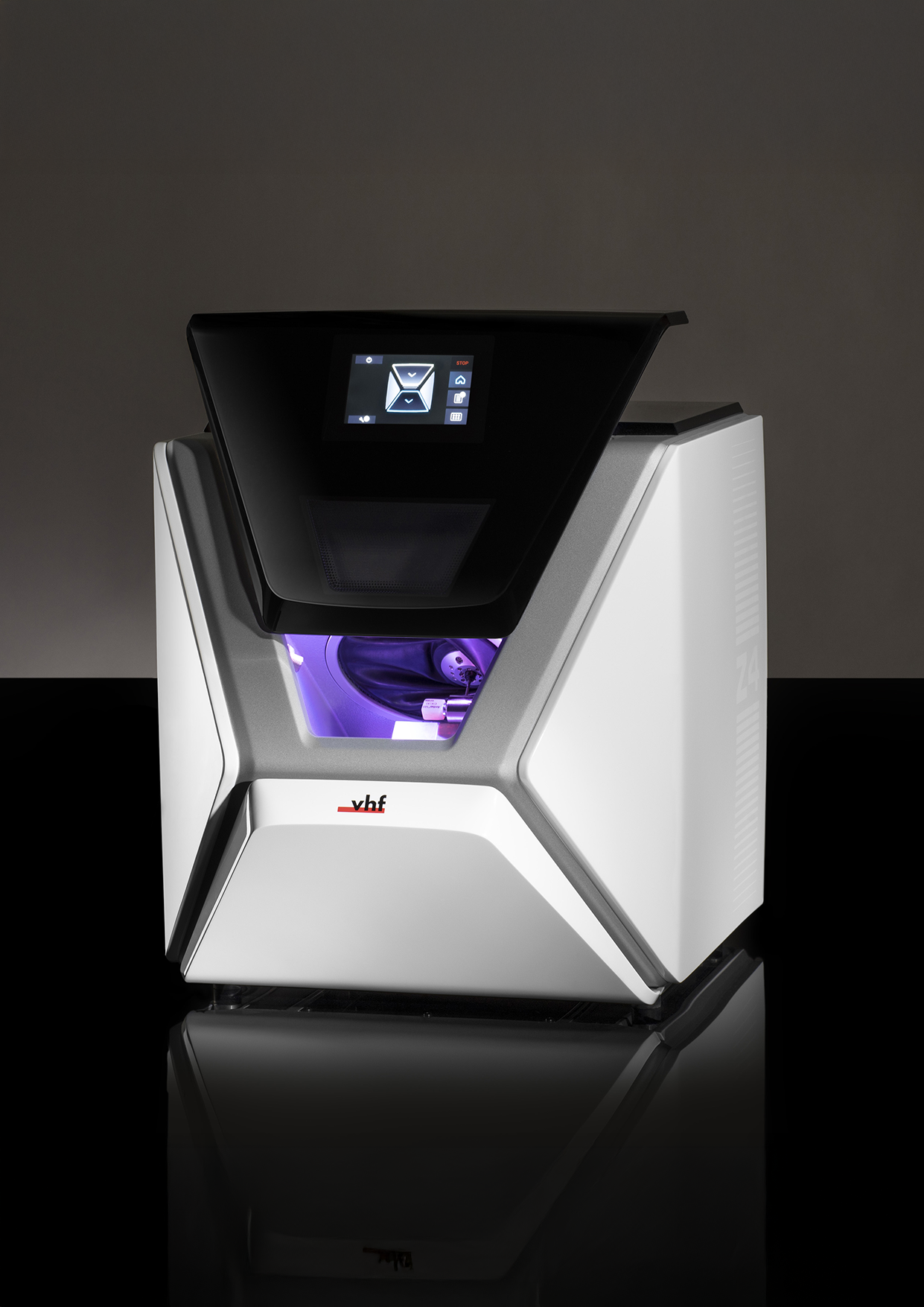
- VHFGerman-engineered 3D dental milling supports efficient, precise fabrication of aesthetic restorations.
- AsigaA Leading Global Dental Brand
Premium Swiss Straumann Implants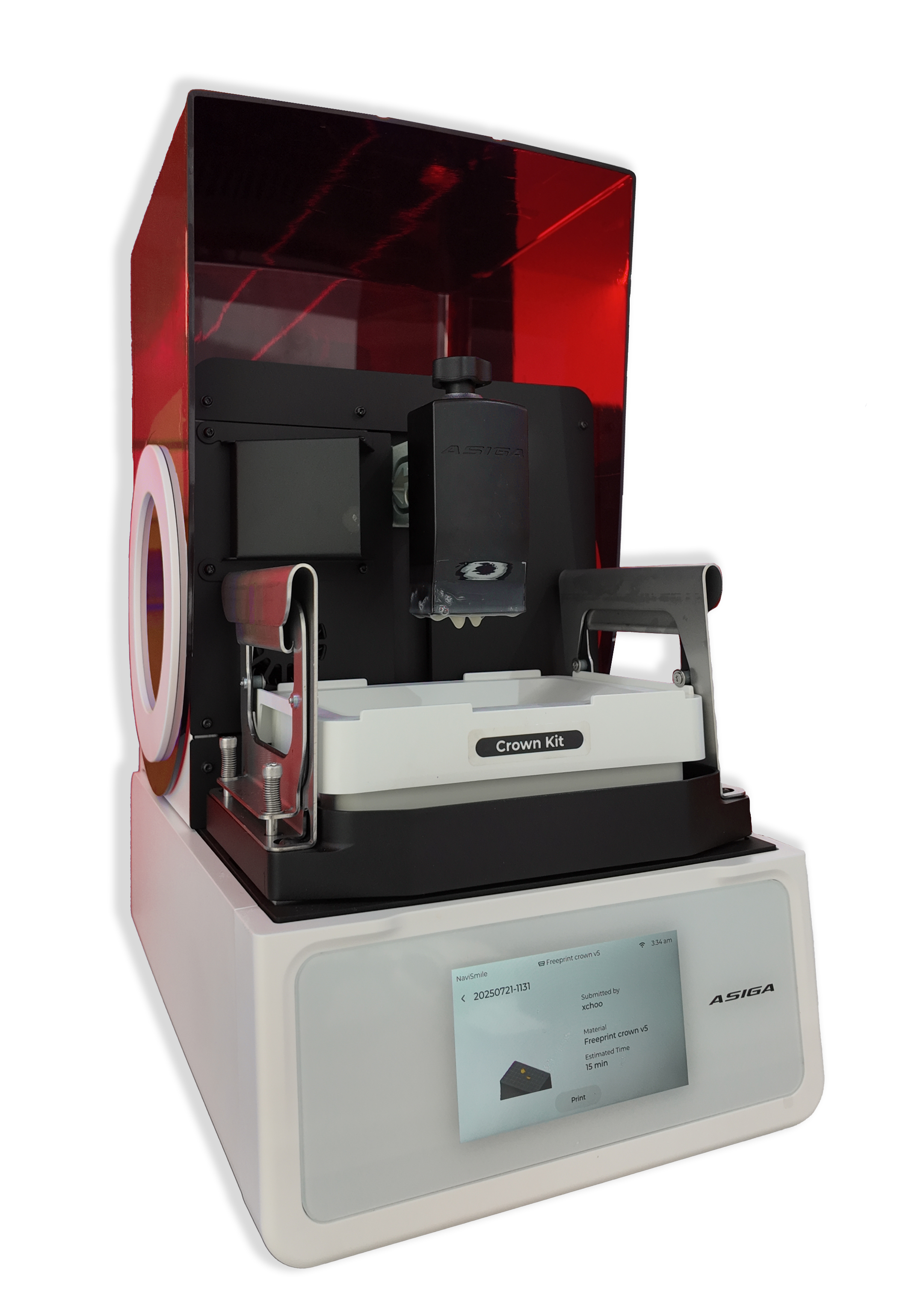
- 1. Stages of Periodontal Disease: Symptoms and TreatmentLine Today

- 2. Proper Toothbrushing TechniquesLine Today

- 3. How Immune Health Affects Periodontal InflammationLine Today

- 4. Preventing Periodontal Disease in Daily LifeLine Today

- 5. Dental Implants and Full-Mouth ReconstructionLine Today

- 6. How Acid Reflux Can Erode TeethLine Today

- 7. About Sanli Aesthetic Dental ClinicLine Today
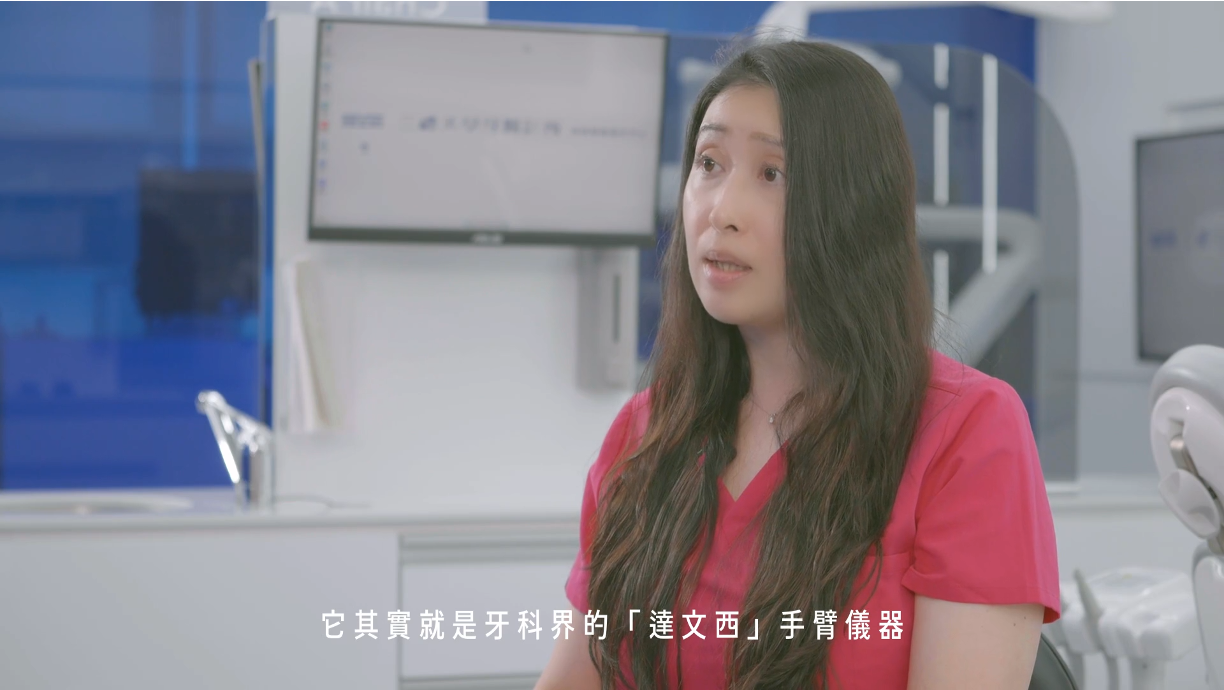
- 8. Dr. Selene vs. NavidentLine Today

- 9. Removable DenturesLine Today
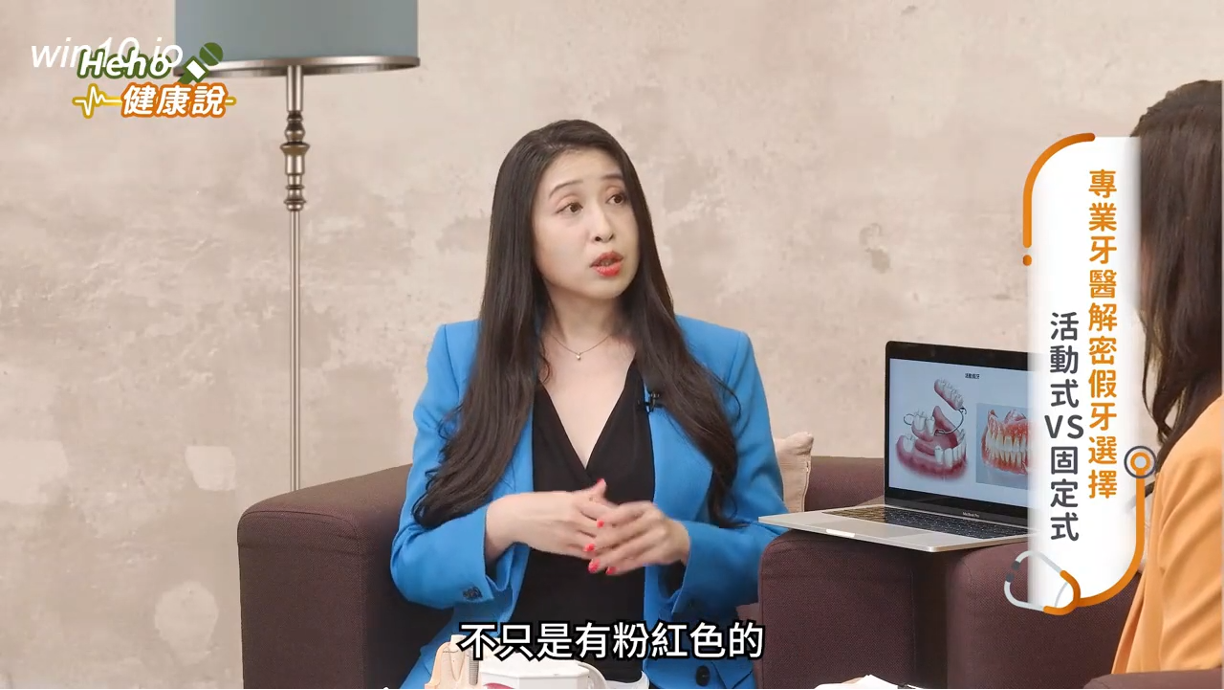
- 10. Fixed Prosthodontic OptionsLine Today

- 1. Toothbrushing Habits 2026.01.19
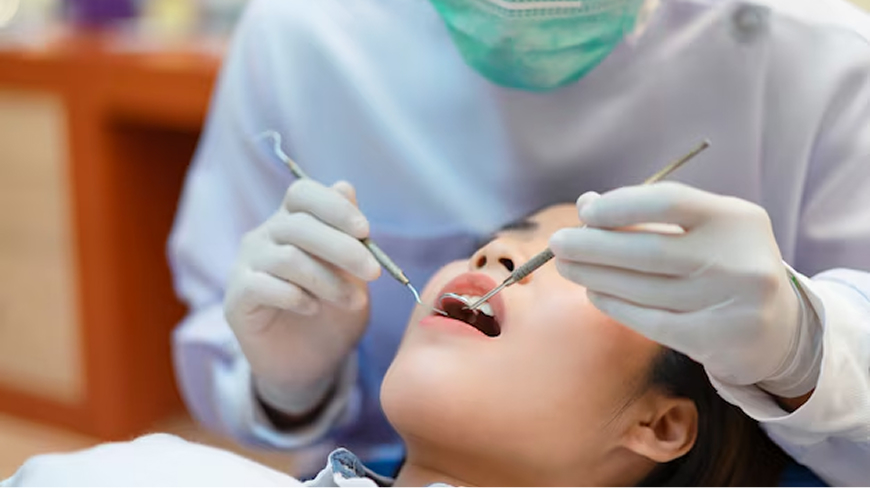 How to Choose Toothpaste Q: How should I choose toothpaste that suits me? A: The main function of toothpaste is to assist the toothbrush's #cleaning ability, using fine abrasive paste to remove plaque and dental deposits from the surface of the teeth. Besides its main ingredients, toothpaste also adds different components based on its 'function.' Common types on the market include toothpaste for cavity prevention, sensitivity relief, whitening effects, and prevention of periodontal disease.
 - Effects of Missing Teeth 2026.01.19
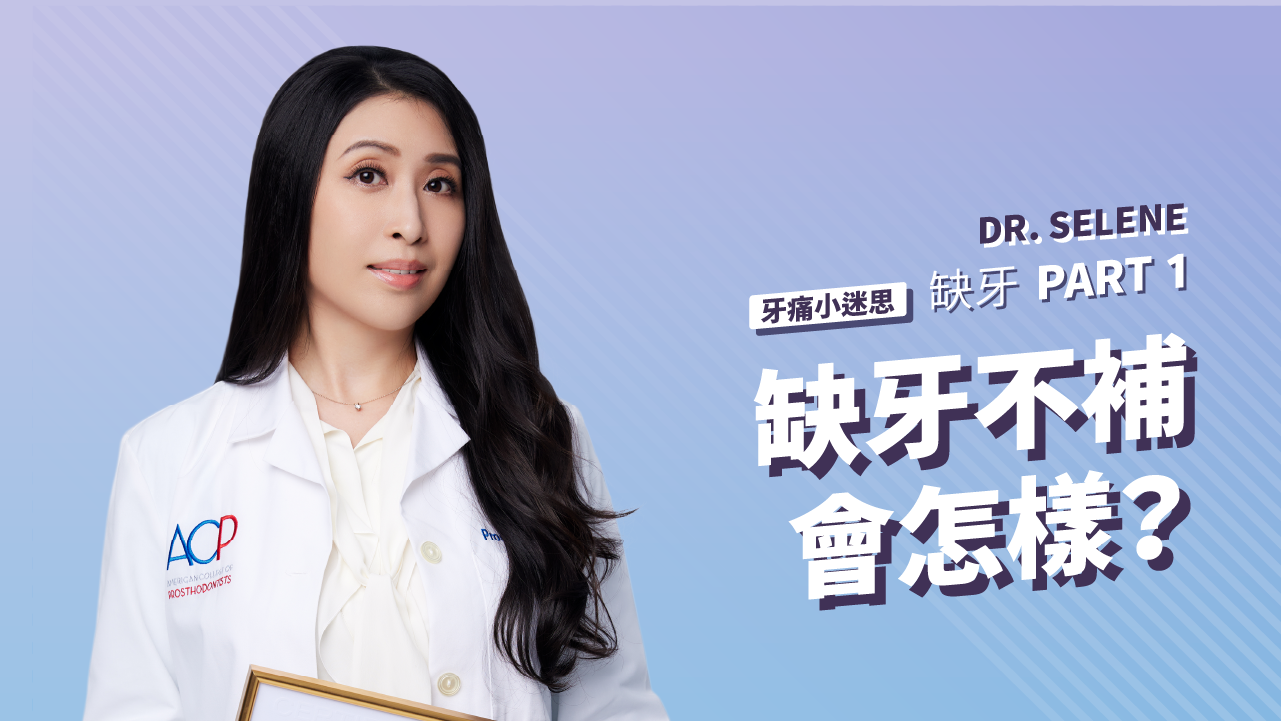 Effects of Missing Teeth – Body Section "Among young people aged 25-39 in Taiwan, up to 45% have missing teeth." A patient once told me, "He long-term only eats on the side where he still has teeth," which is incorrect! ‘Missing teeth’ affects not only appearance but can also lead to serious 'occlusion problems.'
 - Consequences of Missing Teeth 2026.01.19
 Consequences of Severe Tooth Loss? Whether tooth loss is caused by cavities, degeneration, or accidents, the first problem faced by severe tooth loss is 'nutritional loss.' Prolonged inability to chew and eat properly leads to poor absorption, resulting in malnutrition. In addition, severe tooth loss causes the upper and lower jaws to be unable to align properly, preventing the mouth from closing normally. This not only affects appearance but, over time, also impacts the temporomandibular joint (TMJ) and the chewing and respiratory systems. Consequences of Long-Term Back Tooth Loss? "It doesn't matter that I lost back teeth; they aren't visible anyway. I can just use my front teeth to bite." This is a completely wrong concept. Long-term loss of back teeth and missing the golden treatment period has consequences that are far more serious than imagined! "Loss of upper back teeth" will cause the lower back teeth to move upward, resulting in misaligned occlusion, loss of ridge height, and expansion and downward descent of the maxillary sinus. If dental implants are needed later, they must be accompanied by bone grafting, ridge augmentation, or maxillary sinus lifting. "Loss of lower back teeth" will cause the upper back teeth to move downward, resulting in misaligned occlusion. Missing the golden treatment period will lead to loss of ridge height and width, leaving no space in the toothless area for dentures.
 - Types of Dental Prostheses 2026.01.19
 Screw-Retained Dentures "Screw-retained dentures," simply put, use biocompatible screws to secure the implant in the mouth, and they are removable. Customized abutment teeth and crowns are fixed with screws, making it convenient for doctors to remove the dentures later for cleaning and maintenance, preventing inflammation and extending the lifespan of the implants. A professional prosthodontist will create customized abutment teeth and crowns according to the patient's oral condition. The dentures are fixed on the implants with screws in a removable manner. Since they are removable, the doctor will place a maintenance opening on the lingual or occlusal surface of the teeth. Because screw-retained dentures are removable, patients need to have follow-up visits every 3-6 months, so that the professional prosthodontist can remove the dentures, clean around the implants, and thoroughly clean the dentures to reduce the risk of peri-implantitis and increase the lifespan of the implants. Cemented Dentures "Cemented dentures," simply put, use biocompatible adhesive to attach the implant crown to the abutment tooth. Although cemented dentures are relatively simple to design and produce, they require adhesive, which can cause issues with fixed dental prosthesis in certain positions because, over time, the adhesive may wear away and the dentures may become loose. The biggest problem with cemented dentures is that excess adhesive during cementation is hard to clean, and residual adhesive continuously irritates the surrounding gums, causing peri-implantitis and bone loss around the implant. Since cemented dentures are not removable, it is difficult to maintain oral health, and the doctor cannot easily remove the dentures for implant care, increasing the risk of per-implant complications. Cemented Dentures vs. Screw-Retained Dentures Screw-retained dentures: use biocompatible screws to secure the implant in the mouth, and they are removable. Cemented dentures: use biocompatible adhesive to attach the implant crown to the abutment tooth. If the adhesive for cemented dentures is used improperly, removal becomes extremely difficult. Most of the time, the crown must be completely destroyed to remove it entirely, and the process relies heavily on the doctor's experience and skill to minimize patient discomfort. This also means additional costs for the patient to remake the dentures. Moreover, residual adhesive continuously irritates the surrounding gums, causing peri-implantitis and bone loss around the implants."Screw-retained dentures" are artificial abutment teeth and crowns fixed with screws, and they have a maintenance hole on the occlusal or biting surface of the tooth, making the removal process quite easy. Also, because "cement-retained dentures" are not easy to remove, the likelihood of peri-implantitis occurring is much higher than with "screw-retained dentures."
 - What Is the Right Age for Dental Implants? 2026.01.19
 As long as evaluated clinically by a dentist, dental implant surgery can be performed for patients missing teeth, whether they are younger patients around 25 years old or individuals aged 80. Missing teeth caused by "car accidents/falls and other accidents" or "cavities leading to tooth loss" can be restored with dental implants, but it is very important to note that dental implants are not a one-time permanent fix; oral care must still be maintained after successful implantation.
 - What Are Dental Implants? 2026.01.19
 What are the benefits of digital implant dentistry? Regardless of the type of dental implant treatment used, the "4D minimally invasive navigation system" dental technology can assist doctors. During treatment, in addition to relying on the doctor's clinical experience and skills, it can also precisely control and assess all conditions of the patient, reducing potential risks during the procedure and alleviating postoperative discomfort. The doctor will place a device on the patient's missing tooth area, similar to a "monitor," and with the "4D dynamic navigation system" dental technology, the doctor can accurately and in real-time monitor the condition within the patient’s oral bone during the implant procedure. Is there a golden period for dental implants? The golden period for dental implants is "the sooner, the better!" Why is "sooner better"? The main reason is that teeth and alveolar bone are interdependent. During the first year of tooth loss, bone resorption occurs particularly quickly, and in the following years, it continues at a proportional rate. If there are any problems with teeth in the mouth or tooth loss has already occurred, one should seek assistance from a dentist as soon as possible! Conduct an evaluation for treatment and bone reconstruction needs to avoid increasing the difficulty of reconstruction, or even making treatment impossible. Whether dental implants are suitable or if a dental bridge using the adjacent teeth should be done ultimately requires the professional judgment of a doctor. How to find a suitable dental implant doctor among countless options? "General dentistry, prosthodontics department, oral and maxillofacial surgery, periodontology" Modern people like to do research online, but when looking for a dental implant doctor, they often don't know where to start finding a suitable one. In fact, doctors who can provide professional dental implant techniques usually undergo professional training in three major departments: "prosthodontics department, oral and maxillofacial surgery, periodontal disease department." If concerned about spending money on implants and facing unresolvable issues, ask your long-term dental clinic for a referral if they do not have a related specialist. Additionally, you can select a few doctors you prefer, conduct consultations in person, and find the most suitable doctor. Finally, sufficient communication and cooperation with the doctor are crucial factors for the success of dental implants. Steps of dental implants The dental implant process can generally be divided into several stages: data collection, data analysis and reconstruction of ideal tooth position, implant surgery and temporary prosthesis fabrication, and finally, the most important step — the creation of the implant prosthesis. The first step in implant consultation is "data collection."Data Collection and Analysis: First, use oral scanners, facial scanners, X-rays, CT scans, etc., to collect clinical information about the patient's overall oral environment, gums, and bones, as well as record the condition of the temporomandibular joint and occlusion. Dental Implant Surgery Dental Implant Surgery: After a professional medical team conducts a preoperative assessment and formulates a personalized treatment plan, the procedure will move on to the dental implant surgery stage. The surgical steps include flap elevation, drilling, implanting the artificial tooth root, suturing, and removal of stitches. Many people might feel uneasy when hearing these steps, but during the treatment, the professional medical team will use "sedation anesthesia" to reduce the patient's discomfort and anxiety. Typically, the artificial tooth root requires a healing period of about 6–12 weeks. After healing, the process will proceed to the "creation of a temporary dental crown." Are dental implants permanently effective? Do dental implants have a warranty? "Once a dental implant is successful, is it completely done? Can you stop visiting the dentist?" Dental implants are titanium screws that, after integrating with the bone, are not susceptible to cavities. However, if the surrounding gum and bone are not properly maintained, it can still lead to the occurrence of periodontal disease, known as peri-implantitis. The crown attached on top of the dental implant is like buying a car. Over time, just like car parts and screws that wear out, the crown can also experience damage, so regular follow-up visits and maintenance are very important. Usually, after the dental crown is completed, at least semi-annual check-ups are recommended. During these visits, the dentist will check that no plaque or tartar has accumulated on the surrounding teeth, the gums around the implant are not inflamed or suppurating, the screws are not loose, the crown is intact, and the occlusion remains stable. Additionally, patients must maintain good oral hygiene, refer to the previously introduced methods for teeth cleaning, and avoid smoking. Combined with regular follow-up visits, this can extend the implant's lifespan. Structure of the Implant The process of dental implantation is long, and many patients often ask, "What exactly is inside my mouth?" Today, the "Dental Implant Core Classroom" will introduce you to the "overall structure of a dental implant" (Dental implant). The dental implant in the oral cavity, from top to bottom, consists of: the crown, abutment, and implant. Crown: Also called an artificial crown or dental cap, it provides chewing functionality like a real tooth and restores aesthetics. The most common materials for permanent crowns are full ceramic, metal alloy, and porcelain-fused-to-metal.Abutment: An extended part connecting the crown and the implant, playing an important role at the midpoint. It must support the biting force of the crown while also providing a healthy environment for gum growth. Therefore, when installing, specialists must 'customize' the design according to the patient's oral condition, seeking the most suitable shape, size, and angle. Implant: Placed in the alveolar bone where a tooth is missing, its function is to replace the original 'tooth root' and provide a stable foundation for the tooth. The most common materials for implants are pure titanium and titanium alloys. Implant x Crown Materials For modern people who are increasingly concerned with aesthetics, spending money on implants naturally means they want both beauty and functionality. Today, the 'Implant Core Class' will introduce you to 'crown materials.' Currently, the most common materials for permanent crowns on the market are all-ceramic, metal alloy, and porcelain-fused-to-metal. 1. All-Ceramic Crown: Made from zirconia or reinforced glass ceramic, requiring no metal. The material has high biocompatibility with the human body while also possessing high hardness, wear resistance, and heat resistance. In terms of appearance, the color is natural like real teeth, making it extremely aesthetic. 2. Porcelain-Fused-to-Metal Crown: Because the composition of alloys is complex, if the content of noble metals (gold, platinum) is not high enough, the metal can easily corrode in the warm and humid oral environment. This causes the surface to be rough, making plaque difficult to clean thoroughly, which can lead to gum inflammation and staining. Over time, both the aesthetics and functionality may not meet expectations for patients who value a natural appearance. 3. Metal Alloy Crown: Made entirely of metal, it is not easy to break or fracture, but the appearance shows a metallic color, making it obvious where the false tooth is when the mouth is open. If using a metal or gold crown, it is recommended to use materials with a higher content of noble metals. Precautions Before Implant Surgery To increase the success rate of implant treatment, cooperation between the doctor and the patient is very important, from preoperative data collection, assessment, and diagnosis. Based on the patient’s condition, a dedicated treatment plan should be provided. Every step from perioperative procedures to postoperative maintenance is crucial. First, let's discuss what to pay attention to before implant placement. 1. Maintain oral hygiene: Oral cleanliness is the greatest key to implant success. 2. Reduce smoking: Smoking affects the success rate of implants and should be minimized. Successfully quitting smoking can further improve the success rate. 3. Continue taking chronic medication: If taking medication for chronic conditions (such as hypertension or diabetes), be sure to provide a complete medication history to the doctor during preoperative consultation. Post-Implant Cleaning Steps – Tools Section "Neglecting cleaning and maintenance after implants can cause a million NTD to vanish like a ship passing through water without a trace."This is a bloody example; really do not think that once the dental implant is completed, it's a one-time solution. Post-operative oral cleaning and maintenance are extremely important! Extremely important! Extremely important! Because the "lifespan" of the dental implant is highly related to it. There are three essentials for implant maintenance: toothbrush, interdental brush, dental floss: - Toothbrush: You can choose a brush head you are used to or select one that is small in size with medium-firm bristles. - Interdental brush: When gingival recession and the gaps between teeth widen, you should choose an interdental brush suitable for the size of the gaps to clean the spaces between teeth, plaque under crowns, and food residues. - Dental floss: Use super floss to clean the supporting teeth beneath a dental bridge. Mouthwash, water flossers, and the like are just supplementary tools and should never be considered primary cleaning equipment. Steps for cleaning after a dental implant – Cleaning How to clean dental implants: First: Use a toothbrush at the junction between the false tooth and gum. Using brushing technique, brush lightly back and forth at least 10 times. Next: Use an interdental brush, lightly against the tooth surface, moving back and forth. Following the same method, clean from the tongue side, lightly against the surface, repeat once more, at least 5 times each action. Finally: Use about 45CM of dental floss, with the help of a threader if needed, to clean under the dental bridge, at least 5 times per action. Steps for cleaning after a dental implant – Electric toothbrush vs. regular toothbrush "Can I use an electric toothbrush after getting crowns? How should I choose cleaning tools?" The previous article discussed cleaning methods for dental implants. Should dental implants be cleaned with an electric toothbrush? The answer is "yes." Scientific studies show that using an electric toothbrush can clean more deeply between teeth and in dental recesses, especially for people with lower hand coordination and those with misaligned teeth, achieving better cleaning results. Choice of brush head: Still choose a small brush head with medium-firm bristles. It is recommended to replace it every 1-3 months or when it becomes bent or deformed. Do not be reluctant to change it because the brush head is more expensive than a regular toothbrush, as this will compromise the cleaning effect. Cleaning technique: The difference between using an electric toothbrush and a regular toothbrush is that for an electric toothbrush, you only need to place the brush head lightly on each tooth, letting it rotate at the junction between the tooth and gum; your hand does not need to move the brush back and forth. But do not press too hard; excessive force on the teeth can actually harm the gums. In addition, whether using an electric or regular toothbrush, always use dental floss and interdental brushes to clean the adjacent surfaces between teeth to ensure plaque is removed.Tooth Brushing Time: After three meals, brushing within 30 minutes is best. If this is not possible, thorough brushing before bed is the most important! Additionally, patience is essential when brushing—don’t rush and just brush a few times to save time. How to Choose: Budget, ease of use, and portability should be the primary considerations. Also, choose products that are tested and approved by the "Bureau of Standards, Metrology, and Inspection (BSMI)". Poorly designed electric toothbrushes may cause oral injury. Postoperative Care After Dental Implants The ultimate success of dental implants relies greatly on postoperative care! It is crucial to follow the doctor’s instructions. The key care points are as follows: 1. Ice Packs: During the first week after surgery, there may still be some swelling and mild bruising. Within 48 hours, it is recommended that patients apply ice packs to the outside of the cheeks for 15-20 minutes, rest for 10 minutes, and repeat this until 48 hours have passed. 2. Avoid hot springs, hot baths, swimming, and vigorous exercise. 3. Diet: Initially, it is recommended to eat mainly liquids or very soft foods. Avoid foods that are too hot or too cold. Also, avoid excessively hot, spicy, or alcoholic foods that may irritate the area. 4. Reduce Smoking: Medical literature indicates that smoking should be reduced during the first week after surgery to allow the implant wound to heal properly. 5. Regular Check-ups: Even after the implant is completed, regular check-ups are necessary for the doctor to monitor the condition of the wound and overall oral health. Postoperative care may vary depending on the treatment plan, and future posts will share and discuss these differences. Can dental implants provide a permanent solution, without periodontal disease? Most patients understand that before getting a dental implant, oral issues such as periodontal disease need to be addressed to reduce oral bacteria before proceeding with the implant. However, many patients mistakenly believe that once the implant is successful, they can permanently say goodbye to periodontal disease. This notion is completely incorrect. In simple terms, "periodontal disease" is the result of bacterial destruction of the bone surrounding the teeth. Therefore, after an implant, if the gums and bones around the implant are not properly cleaned and cared for, bacteria can still grow in the mouth, leading to the occurrence of periodontal disease. After dental implants, does this also mean saying goodbye to sensitive teeth?What is commonly referred to as 'sensitive teeth' is scientifically called 'Dentin Hypersensitivity,' which causes sensitive teeth. The main reason is that when the outer enamel of the tooth is worn down and loses its protective function, or when the tooth root becomes exposed, the nerve tubules inside the dentin are exposed. When stimulated by cold, heat, air, or pressure, this causes nerve pain and discomfort. After dental implants, the rebuilt artificial crowns do not contain nerves, so sensitive teeth will not occur. However, other natural teeth are not affected by implants, and when the enamel is damaged, sensitivity issues will still arise. Are people with osteoporosis suitable for dental implants? Osteoporosis is becoming increasingly common at younger ages. Apart from aging, inadequate maintenance of the body is one of the culprits. If osteoporosis is mild, just proper calcium supplementation makes dental implants possible! Overall, it still needs to be evaluated by a professional doctor. Patients with osteoporosis, especially those taking high doses or receiving medications that inhibit bone resorption, may affect the success rate of dental implants. This is because most osteoporosis medications contain bisphosphonates, which impact the bone cells’ ability to repair, preventing the jawbone from healing properly. Therefore, if you are taking such medications, you must inform your doctor before getting implants. I have high blood pressure—can I get dental implants? If high blood pressure is well-controlled, dental implant surgery is possible! Normal blood pressure refers to systolic 120/diastolic 80 mmHg. High blood pressure increases bleeding during surgery, complicates the procedure, and may even raise the risk of postoperative infection. Many high blood pressure patients take 'anticoagulant medications,' which can cause excessive bleeding during surgery. Therefore, when evaluating for implants, it is crucial to inform the doctor of your chronic medical history and medications. It is also advisable to find a doctor who can provide a detailed treatment plan and is skilled in minimally invasive implant surgery to reduce implant risks. I have diabetes—can I get dental implants? Diabetic patients, like high blood pressure patients, can undergo dental implant surgery if their condition is well-controlled. Poorly controlled diabetes impairs cell repair and the immune system, reducing the regenerative ability of periodontal tissues and the healing of wounds compared to healthy individuals. Therefore, if you want a dental implant, you must collaborate closely with both your endocrinologist and implant dentist to stabilize blood sugar levels.In addition, diabetic patients should also develop good oral hygiene habits and, after a professional assessment by a doctor, be provided with a comprehensive treatment plan. What is the relationship between diabetes and periodontal disease? "periodontal disease has already been listed as one of the complications of diabetes." As mentioned earlier, "as long as blood sugar is well-controlled," dental implants are still possible. We also mentioned that before getting dental implants, periodontal disease must be controlled. Today, let's talk about the "relationship between periodontal disease and poor diabetes control." In fact, patients with poor diabetes control are three times more likely to develop periodontal disease than normal people. The main reason is that the amount of oral bacteria is higher than normal, and due to a weaker immune system, they are more susceptible to infection, resulting in lower wound healing ability. Once a patient with poorly controlled diabetes develops periodontal disease, the disease progression accelerates, and the rate of bone destruction and damage also increases. Furthermore, because the body is chronically inflamed, blood sugar becomes even harder to control. Are cancer patients suitable for dental implants? "Cancer has topped the list of the top 10 causes of death in the country for consecutive years." So can cancer patients undergo dental implant surgery? First, the doctor will understand the patient’s type and stage of cancer, as well as past medical history, treatment history, and medication usage. Based on the information provided by the patient, an accurate judgment can be made. Cancer treatments such as radiotherapy and immunosuppressive therapy affect wound healing. Medications such as antiresorptive agents and antiangiogenic agents may also increase the risk of jawbone necrosis. Moreover, after the head and neck receive radiation, the activity of bone cells may decrease. Additionally, patients undergoing chemotherapy or targeted therapy may experience decreased immunity and reduced cell repair ability due to treatment. If dental implants are desired during or after treatment, a doctor should first evaluate various health indicators to increase the success rate of dental implants. Can dental implants be done during pregnancy? Although dental implantation is a minor surgery, doctors usually do not recommend that expectant mothers undergo the procedure at this time. First, because dental implants require X-ray examination, pregnant women should avoid exposure to radiation as much as possible.Simultaneous dental implant surgery requires anesthesia. Although the anesthetic will be excreted through urine, most anesthetics contain a component called a "vasoconstrictor." The increased anxiety during the procedure may pose a risk of premature uterine contractions. Therefore, it is recommended that expectant mothers who want dental implants wait until after childbirth to undergo the surgery. Precautions for dental implants during postpartum and breastfeeding periods "Doctor, can I get a dental implant while breastfeeding?" During pregnancy, even if the first stage of dental implant surgery has been completed, doctors will pause the procedure for the protection of the mother and fetus. However, questions such as "How long after childbirth can I get a dental implant?" and "Can I get a dental implant while breastfeeding?" are among the most frequently asked by many mothers. In fact, once a woman's body has recovered to a certain degree after childbirth, dental implant surgery can be performed. To avoid anesthetics, antibiotics, or painkillers being excreted into breast milk—and considering that different medications have different half-lives—it is generally recommended to wait 24 hours after taking the last dose before resuming breastfeeding. Do health supplements affect dental implants? "Vitamin C, B complex, fish oil, ginkgo, calcium supplements..." There are various health supplements that provide peace of mind. One of the most common questions patients ask in the clinic is, "Doctor, I am taking various health supplements. Will they affect my dental implant?" In fact, it depends on the ingredients extracted from the health supplements; not all supplements affect dental implants. If the supplement contains ingredients with "anticoagulant effects," such as ginkgo or safflower, it is recommended to stop taking them one week before surgery. Although appropriate use of health supplements can be beneficial to health, it is still essential to inform the doctor during dental implant evaluation to allow for a more accurate assessment. Should dental implants be done under local or general anesthesia? "Should dental implants be done under general anesthesia or local anesthesia? What types of anesthesia are available? What are the differences, and are there any side effects?" Many patients have the same questions. Starting today, a series of articles will provide answers. In fact, dental implant surgery is similar to general oral treatments in that it can be performed while the patient is awake. Doctors usually use local anesthetics containing a small proportion of vasoconstrictor (epinephrine) and provide an accurate dosage based on the patient’s surgical needs and the duration of the treatment. Since most local anesthetics contain vasoconstrictors, as mentioned in previous articles, patients with hypertension must provide their medication history and blood pressure control status during the consultation. Blood pressure should also be measured on the day of surgery to ensure the safety of the anesthesia. Success rate of dental implants?How to Deal with Dental Implant Failure? Side Effects of Dental Implants? "Can dental implants be 100% successful? After getting an implant, do you never need to revisit the dentist? What should you do when problems with the implant arise? How should treatment proceed after a failed implant?" These questions are very important considerations for patients when choosing dental implants. The "success rate of dental implants and the lifespan of the implant" actually depends most on whether the doctor and the patient work well together. Both the doctor and the patient should play their respective roles during the treatment process to extend the implant's lifespan after successful osseointegration. Patients should provide their full medication history and medical history to the doctor during consultation. During treatment, they should follow the doctor's orders, maintain oral hygiene, and return for regular check-ups after surgery. Additionally, if any issues arise with the implant, they must immediately seek the doctor’s assistance to "detect early and treat early." Doctors must provide patients with accurate, personalized treatment plans based on their skills and experience and use branded implants and biomedical materials to increase the success rate. At the same time, they should continuously adopt new medical knowledge and apply it to ensure the best treatment for patients. All of the above are essential keys to the success of dental implants. Common Issues After Dental Implants: Cracked Porcelain Crowns "What should you do if issues arise after a dental implant?" As mentioned before, a dental implant is like a car—parts can wear out over time. To address "what to do when issues arise," you need to get to the root of the problem to apply the proper solution. Next, I will provide a detailed explanation of "common issues after dental implants": Cracked porcelain crowns: The prosthetic can be removed and sent for porcelain repair to restore appearance and chewing function. Thanks to advances in dental materials, new zirconia crowns (Zirconia) rarely crack. This material is currently among the most stable in terms of quality and aesthetics. Before restoration, a professional prosthodontist will clean any gaps between the abutment and the crown to prevent bacterial infection of the implant. Common Issues After Dental Implants: Loose or Damaged Implant Components "Loose or damaged implant components": In previous dental implant lessons, we introduced that dental crowns and abutments contain various small parts. When the implant has been in use for a long time, these parts may begin to malfunction—how should this be handled? Before discussing how to manage it, it's important to understand why "implant component loosening or damage" occurs. The causes can generally be classified as: component lifespan and long-term occlusal stress on the implant. After completing dental implants, during semi-annual regular check-ups, the dentist will inspect these small components to ensure they are not loose or wobbly.Once there is a loosening of the screw, if it is not treated in time, the screw may break inside the implant. Removing a broken screw from the implant is a complex and high-risk procedure that must be handled by a professionally trained prosthodontist. A more detailed explanation will be provided in subsequent articles. What are the anesthesia methods for dental implants? "Sedation, general anesthesia, nitrous oxide" are the keywords that people most commonly find when searching for information. Today, we will briefly introduce the technical terms for these anesthetic methods. Sedation: Currently, this is the most commonly used anesthesia method by prosthodontists. It is a shallow anesthesia that allows the patient to undergo treatment in a relaxed state and also reduces the amount of local anesthesia needed. There will be a series of introductions about "sedation" later. General anesthesia: This is a deep anesthesia where the dose of anesthetic drugs causes the patient to lose consciousness and prevents independent breathing. The recovery period after surgery is longer, and it must be carried out in an operating room. Nitrous oxide anesthesia: This is mainly used for sedation rather than anesthesia. Some patients may still feel nervous during local anesthesia in the mouth, so some hospitals or clinics have nitrous oxide equipment to help patients stay calm during local anesthesia. Checklist for dental implant evaluation Q: What aspects are affected by missing teeth? A: Both physical and psychological aspects are affected. Long-term missing teeth can lead to "occlusal disorders." Q: Should I get dental implants or dentures? A: A professional evaluation and judgment by a doctor is required. Both "dentures" and "dental implants" have their own advantages and disadvantages. Q: At what age is it suitable to get dental implants? A: As long as it has been clinically evaluated by a dentist, patients can be as young as 25 or as old as 80. Q: How can I find a suitable implant dentist amid the vast sea of options? A: Doctors with professional implant skills usually have undergone professional training in three major fields: prosthodontics Department, oral and maxillofacial surgery, periodontal disease Department. Q: For people afraid of pain, how can they undergo implant surgery? A: There is now sedation dentistry, which greatly reduces patient anxiety during treatment. Q: Can a patient with high blood pressure get dental implants? A: Dental implant surgery can be performed under the premise that high blood pressure is well controlled. Q: Are people with osteoporosis suitable for dental implants? A: If osteoporosis is mild, as long as calcium is properly supplemented, dental implants are still possible. Q: Are cancer patients suitable for dental implants?A: During cancer treatment or after treatment, if you want to get dental implants, you should first consult a doctor to evaluate various physical indicators to increase the success rate of the implants. Q: Can dental implants be done during pregnancy? A: Dental implants require anesthesia, so expectant mothers who want implants should wait until after delivery to undergo the procedure. Q: Will taking health supplements affect dental implants? A: It depends on the extracted ingredients of the health supplements. Not all health products will affect dental implants. sedation dentistry Summary Q: Does sedation dentistry have insurance coverage? A: Sedation therapy and dental implants are both self-paid items and are not covered by health insurance. Q: What preparations are needed before sedation dentistry? A: Since the concentration of medication is related to individual physical condition and medical history, patients must accurately inform the doctor about their medication habits and medical history. If necessary, before sedation dentistry, the doctor may require the patient to undergo a health check. Q: Should regular use of health supplements be paused? A: Most health supplements do not need to be discontinued. Q: Is fasting required before sedation dentistry? A: Yes, fasting for at least 6-8 hours is required. If the procedure is in the morning, no food or drink should be consumed after midnight. If it is in the afternoon, no food should be consumed after breakfast. Q: What if medication must be taken during the fasting period before sedation dentistry? A: Taking medication with a small amount of water is allowed during fasting. Q: What if taking anticoagulant medication? A: Usually, it is not necessary to stop medication unless instructed by a professional doctor. Q: Can I drive on the day of sedation dentistry? A: After sedation, dizziness may occur, so it is recommended to have a friend or family member accompany you and use transportation to the clinic. Q: Precautions after sedation dentistry? A: After the procedure, patients should rest for 20-30 minutes to ensure there is no dizziness or drowsiness before leaving the clinic. Implant Brands ║Straumann║ A Swiss dental implant brand, proven through numerous clinical studies to be one of the systems with the least marginal bone loss among implant brands. Its special implant connector design allows the crown to tightly connect with the implant, increasing prosthesis stability and reducing the likelihood of loosening or wobbling. →https://reurl.cc/8lDo1X║Nobel Biocare║ A Swedish dental implant brand. Launched in 2008, the NobelActive system features implants with special thread designs and surface treatments, suitable for patients with more complex bone conditions. →https://reurl.cc/xDN9zL ║Astra Tech Implant║ A Swedish dental implant brand. In the design of the implant and connection interface, it uses a special conical hex internal connection design. The stable interface can reduce the loosening of crowns and abutments. →https://reurl.cc/jd91bn ║BIOHORIZONS║ A dental implant brand from the United States. BioHorizons uses titanium alloy material with high hardness and biocompatibility, and also has the special Laser-lok patented technology, which not only reduces the probability of implant periodontal disease but also achieves aesthetic functionality. →https://reurl.cc/YlYvZn ║BEGO Semados║ A German brand with over 125 years of local roots and manufacturing history. The implant surface features special TiPure technology, which helps the implant integrate with the alveolar bone for maximum integration. At the same time, it also helps extend the lifespan of the implant. →https://reurl.cc/oD81ov”
 - Dental Implant Aftercare 2026.01.19
 Post-implant care After 24-48 hours after implant treatment, it is recommended to apply ice repeatedly to the outer cheek for 15-20 minutes, then rest for 10 minutes. Avoid hot springs, hot showers, swimming, or strenuous exercise. Try to focus on foods that are soft and easy to chew. Avoid overly hot, spicy, or alcohol-containing foods to reduce wound irritation. Be sure to clean your teeth after meals and before bed to reduce the incidence of peri-implantitis. For patients during wound healing, smoking addiction should be reduced to lower the risk of infection and aid wound healing. During the Lunar New Year, carbohydrate intake can easily exceed limits, so patients must control their blood sugar well to avoid wound complications. Implant Care X Diet Section With rich food and delicious food in front of you, no one can resist the temptation. For patients who have just undergone implant surgery, it is recommended to spend 10 seconds "pause, look, and think" before placing the implant in the mouth, ensuring it does not harm the prosthesis or the wound. Today, I want to remind everyone about the foods you should not touch. Main dishes: Dipping sauces, spicy foods, chicken cartilage, pork ribs, fish bones, and other hard and spicy foods—eat less on the subtle side. Hard-shelled and hard foods: sunflower seeds, peanuts, almonds, walnuts, almonds, spring dates, nouza candy, and other nuts and hard-shelled foods. For patients who have just undergone dental implant surgery, all these foods are strictly avoided and should not be touched. Foods that stick to teeth: Foods that easily stick to dentures, such as rice cakes, chewing gum, and glutinous rice balls, should be avoided as much as possible. Additionally, overly hot or irritating beverages must be consumed in moderation. Dental cleaning reminder After every meal + before bed, be sure to keep your mouth clean, and use a gentle brushing method. For patients within 72 hours, it is recommended to temporarily stop using toothpaste and use dental floss and rinsing with water for cleaning. The brushing method for implant care is as follows: First: Use a toothbrush at the junction between the denture and gum, brushing gently back and forth at least 10 times. Next: Use an interdental brush to gently touch the tooth surface and perform front-to-back cleaning. In the same way, enter from the lingual side, lightly touch the tooth surface, and clean again, at least five times each time. Finally: Use about 45CM of dental floss, and with the help of a threader, go deep under the bridge for cleaning, at least 5 times per session. What should I do if the implant breaks? Mild swelling around the implant, sensitivity → soreness; strengthen cleaning and reduce irritating food irritation to the mouth. Immediate medical attention is not necessary. You must return for a check-up immediately after the annual leave.Slight implant denture loosening, mild swelling, and sensitivity → Enhance cleaning, try to chew on the other side, eat less hard and spicy foods; immediate medical visit is not highly necessary. Must return for a check-up right after the annual holiday. Severe denture loosening, expanded swelling, fever → To prevent the infection from spreading into cellulitis, it is recommended to go to a major hospital emergency room for examination. Implant fell out → Indicates severe bone infection; to prevent the infection from spreading into cellulitis, it is recommended to go to a major hospital emergency room for examination. Fever, facial or oral swelling, persistent bleeding → Seek assistance at a major hospital emergency room.
 - 4. Teeth Whitening 2026.01.19Why Teeth Turn Yellow – Internal Causes The internal causes are as follows: Heredity: Innate physical traits. Caused by medication: Besides the previously mentioned side effect of tetracycline, medical reports also indicate that the broad-spectrum antibiotic Ciprofloxacin may also be one of the causes of yellow teeth.
- 5. Digital Full-Mouth Reconstruction 2025.09.16Digital dentistry: Through the combination of technology + dental technology, the patient's data is uploaded to the cloud using oral scanning machines, computer 2D or 3D digital software image production, and computer tomography images. It allows doctors, dental technicians and patients to communicate synchronously, reducing errors in treatment expectations, while also reducing unnecessary mistakes and shortening treatment time.
- 6. Crown Lengthening 2025.09.02
 What is "crown augmentation surgery"? To put it simply, it is to modify the proportion of gums and crowns to solve the problem of aesthetic disharmony caused by the height and position gap of gums on each tooth in the oral cavity.
Navident Dynamic Navigation Implant Surgery (Minimally Invasive da Vinci Robotic Arm Implant Surgery) FAQs
Q1. How does Navident dynamic navigation implant surgery (minimally invasive da Vinci implant surgery) differ from conventional implant surgery?
Dynamic navigation implant surgery combines a computer navigation system with 3D imaging technology. Before surgery, the dentist can precisely plan treatment based on the condition of the jawbone and the locations of nerves and blood vessels to determine the ideal implant position and angle. During surgery, the robotic arm, operated by the dentist, provides real-time positioning assistance and guidance according to the preoperative plan. This greatly reduces human error that may arise when relying solely on the dentist’s tactile judgment, making the overall procedure more consistent and predictable.
Q5. Is minimally invasive implant surgery really completely painless?
Because the incision is small and tissue trauma is limited, and because preoperative planning can shorten the procedure, most patients experience almost no noticeable pain during surgery. Discomfort during recovery is also far less than with conventional implant surgery requiring extensive flap elevation and suturing. However, pain sensitivity and tolerance vary from person to person, and the actual experience will still differ somewhat depending on individual constitution and the extent of surgery. Discuss this thoroughly with your dentist before treatment.
Q8. Who is suitable for minimally invasive implant surgery? Can it be performed if there is insufficient bone?
Most patients who want to restore chewing function after tooth loss, trauma, or extraction due to periodontal disease are suitable for an assessment for da Vinci robotic arm minimally invasive implant surgery. Before surgery, however, the dentist must use a 3D CT scan to carefully assess whether the height, width, and density of the jawbone are sufficient to support the artificial tooth root. If bone is severely insufficient, bone grafting may be needed first, followed by implant placement once the bone has healed and stabilized.
Q13. Does dynamic navigation implant surgery cost more than conventional implant surgery?
Because da Vinci robotic arm implant surgery involves additional equipment and technical investment, including preoperative 3D CT scanning, a computer navigation planning system, and precision robotic arm assistance, the overall cost is usually higher than conventional freehand implant surgery. In return, patients can benefit from greater surgical precision, a shorter recovery period, and a lower risk of complications. Over the long term, these advantages also have a positive effect on implant stability and longevity.
Q16. Is special care needed after dynamic navigation implant surgery?
Although the artificial tooth root itself cannot develop cavities like a natural tooth, the surrounding gum and bone tissues can still become inflamed if cleaning is inadequate, leading to a complication known as peri-implantitis. Over time, this may affect the stability and even the lifespan of the implant. Patients are advised to develop proper oral hygiene habits, use dental floss or interdental brushes to clean around implants, and attend regular checkups as recommended by their dentist to maintain long-term implant stability and function.