





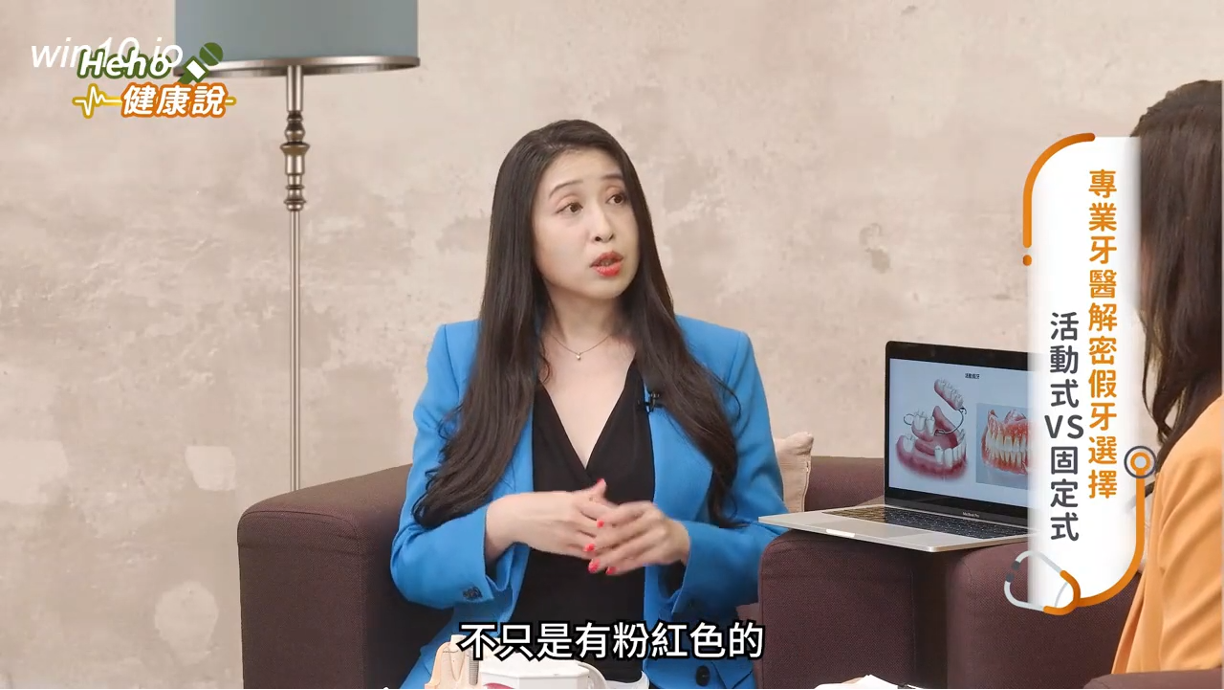
Removable dentures may be partial or complete. They can be taken out for cleaning and are often relatively affordable. This video also discusses limitations involving stability, chewing efficiency, and the need for periodic adjustment.
Video Highlights
- Partial dentures gain support from the remaining teeth and ridge, while complete dentures rely mainly on the shape of the ridge and the oral tissues.
- Being removable for cleaning is an important advantage and may be helpful for people with limited hand mobility or those who need caregiver assistance.
- Removable dentures may move, cause sore spots, or limit food choices. Adaptation takes time, and periodic adjustments may be needed.
- The ridge continues to change after tooth loss. If a denture becomes loose, causes sores, or traps food, return for examination and possible relining or replacement.
Frequently Asked Questions
Once removable dentures are made, can I use them indefinitely without follow-up?
No. The ridge and remaining teeth change over time, and dentures also wear. Regular examinations help identify looseness, sore spots, hygiene concerns, and bite problems early.
Dentist's Note:This article and video provide general educational information and are not a substitute for diagnosis or treatment recommendations made by a dentist based on your individual oral health, imaging, and overall health.