





Single-Tooth Implant
Precision-Guided, Patient-Centered Care
Personalized Planning and Clinical Care

Examination and Assessment
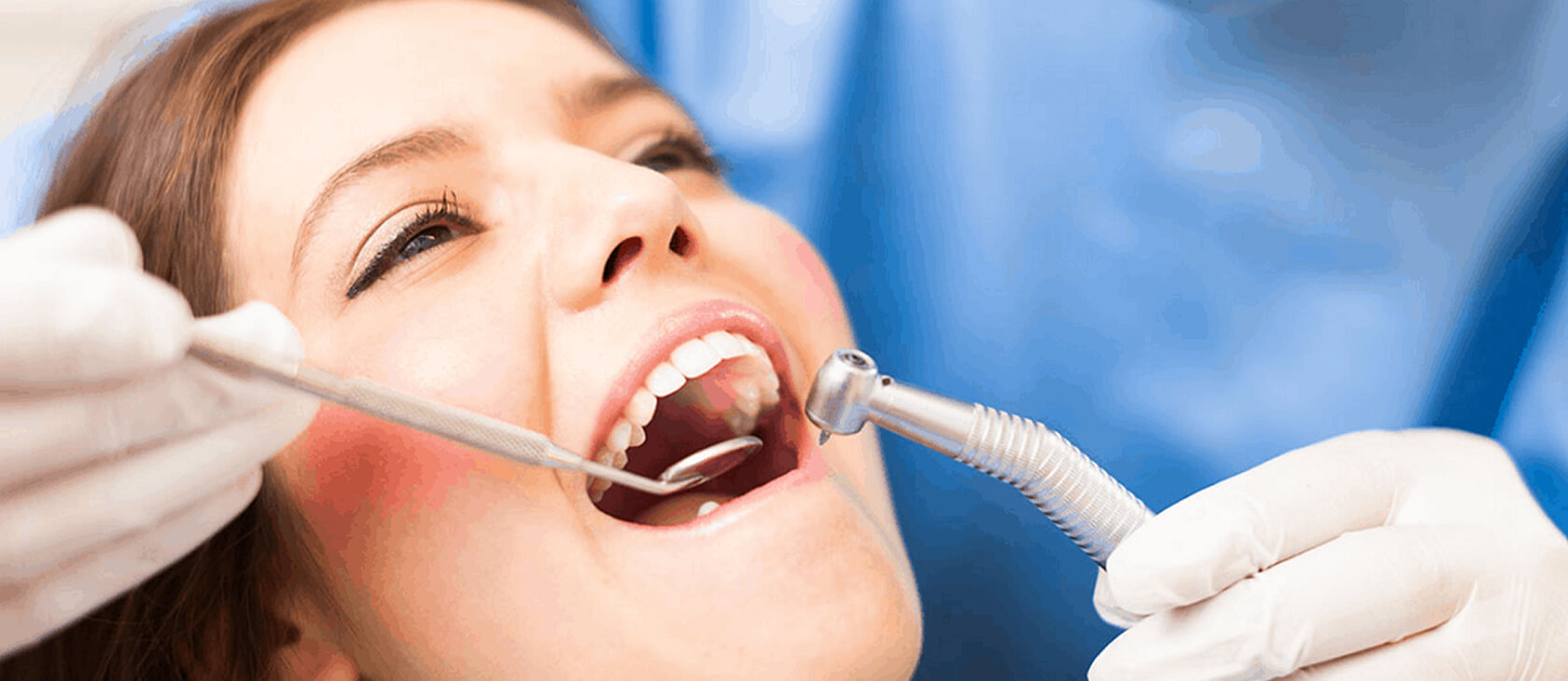
3D imaging and intraoral scanning are used to assess the tooth, surrounding tissues, and supporting bone and to develop an individualized implant plan.

Surgical Preparation
Digital planning is used to evaluate the proposed implant position and support precise surgical preparation. A specialist dentist performs the procedure according to the individual treatment plan.

Completing Treatment
After the gums and bone have healed, digital impressions are used to create the final prosthesis with attention to function, fit, and natural appearance.
Navident Dynamic Navigation Implant Surgery (Minimally Invasive da Vinci Robotic Arm Implant Surgery) FAQs
Q5. Is minimally invasive implant surgery really completely painless?
Because the incision is small and tissue trauma is limited, and because preoperative planning can shorten the procedure, most patients experience almost no noticeable pain during surgery. Discomfort during recovery is also far less than with conventional implant surgery requiring extensive flap elevation and suturing. However, pain sensitivity and tolerance vary from person to person, and the actual experience will still differ somewhat depending on individual constitution and the extent of surgery. Discuss this thoroughly with your dentist before treatment.
Q6. How long does minimally invasive implant surgery take? Will it be lengthy and uncomfortable?
With dynamic navigation implant surgery (minimally invasive da Vinci implant surgery), the surgical time for a single implant can usually be shortened to between 30 minutes and one hour. This is mainly because the dentist has already completed comprehensive planning with 3D navigation before surgery, reducing uncertainties during the procedure. Smaller incisions and a reduced area of tissue invasion also lessen discomfort during and after surgery, making the overall surgical experience easier for patients than conventional implant surgery.
Q11. Can an implant be placed immediately after a tooth is extracted, or must I wait for the bone to heal?
Some cases with favorable conditions, such as intact bone at the extraction site and no obvious inflammation or infection, may allow immediate implant placement at the same time as extraction. With its small incisions and limited effect on surrounding tissue, a minimally invasive technique is more favorable for this type of procedure. However, if bone is insufficient or inflammation or infection is present, it is still recommended to wait for the bone and soft tissue to heal and stabilize before reassessing the appropriate timing for implant placement.
Q13. Does dynamic navigation implant surgery cost more than conventional implant surgery?
Because da Vinci robotic arm implant surgery involves additional equipment and technical investment, including preoperative 3D CT scanning, a computer navigation planning system, and precision robotic arm assistance, the overall cost is usually higher than conventional freehand implant surgery. In return, patients can benefit from greater surgical precision, a shorter recovery period, and a lower risk of complications. Over the long term, these advantages also have a positive effect on implant stability and longevity.
Q14. How soon after implant surgery can I eat normally and resume daily activities?
Because Navident dynamic navigation implant surgery (minimally invasive da Vinci implant surgery) involves small incisions and limited tissue trauma, most patients can begin trying soft foods, such as congee or noodle soup, within one to two days after surgery, while avoiding very hard or hot foods that may irritate the wound. After about one week, swelling and discomfort have noticeably subsided for most patients, and they can largely resume normal daily activities and eating habits. The actual speed of recovery will still vary depending on individual healing ability and the extent of surgery.
Q16. Is special care needed after dynamic navigation implant surgery?
Although the artificial tooth root itself cannot develop cavities like a natural tooth, the surrounding gum and bone tissues can still become inflamed if cleaning is inadequate, leading to a complication known as peri-implantitis. Over time, this may affect the stability and even the lifespan of the implant. Patients are advised to develop proper oral hygiene habits, use dental floss or interdental brushes to clean around implants, and attend regular checkups as recommended by their dentist to maintain long-term implant stability and function.