




Sleep Apnea Care
Precision-Guided, Patient-Centered Care
Personalized Planning and Clinical Care

Examination and Assessment
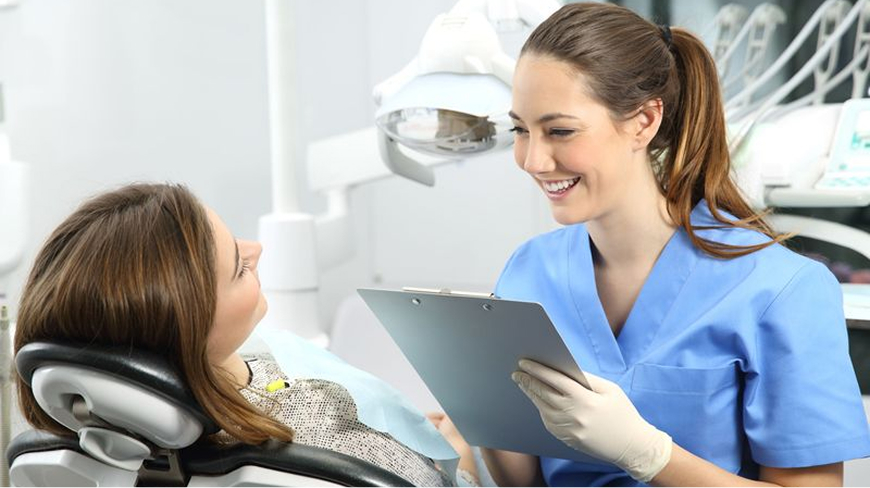
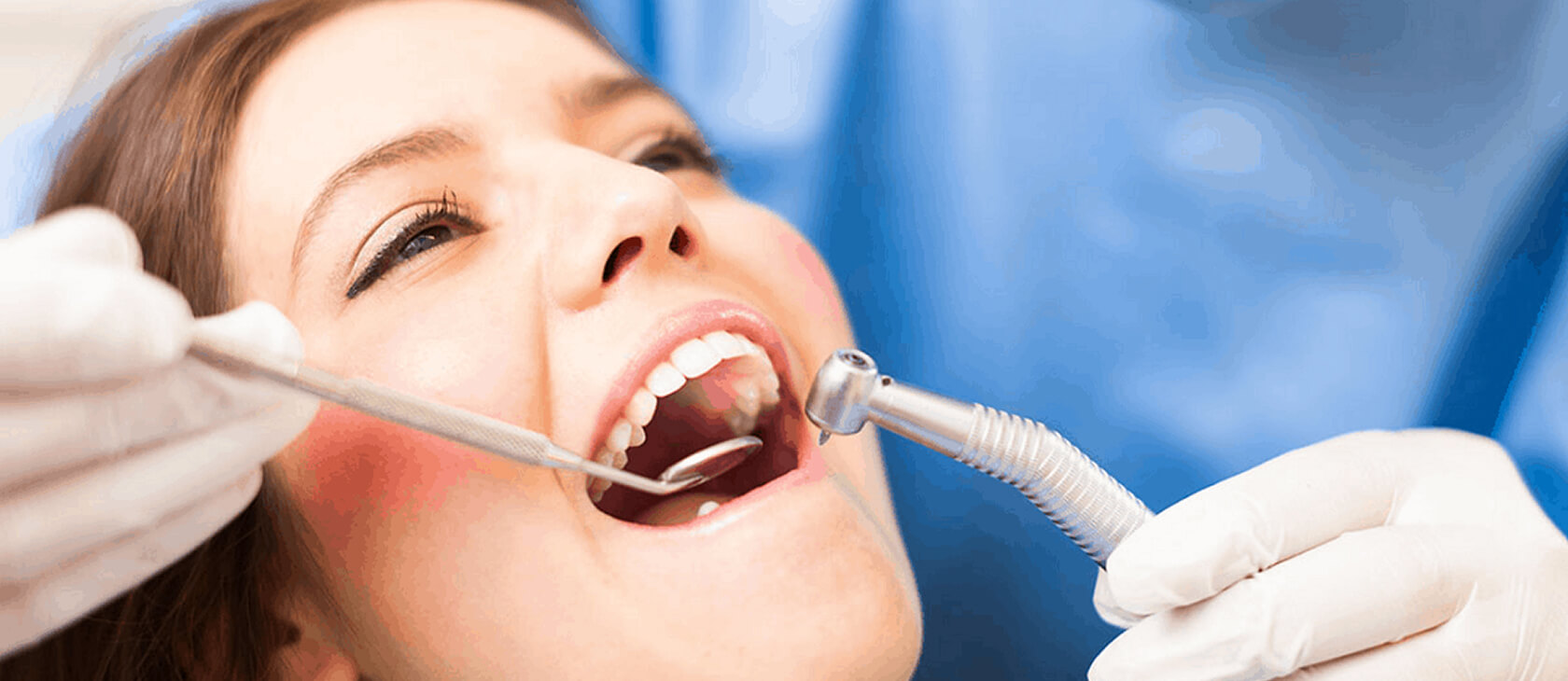
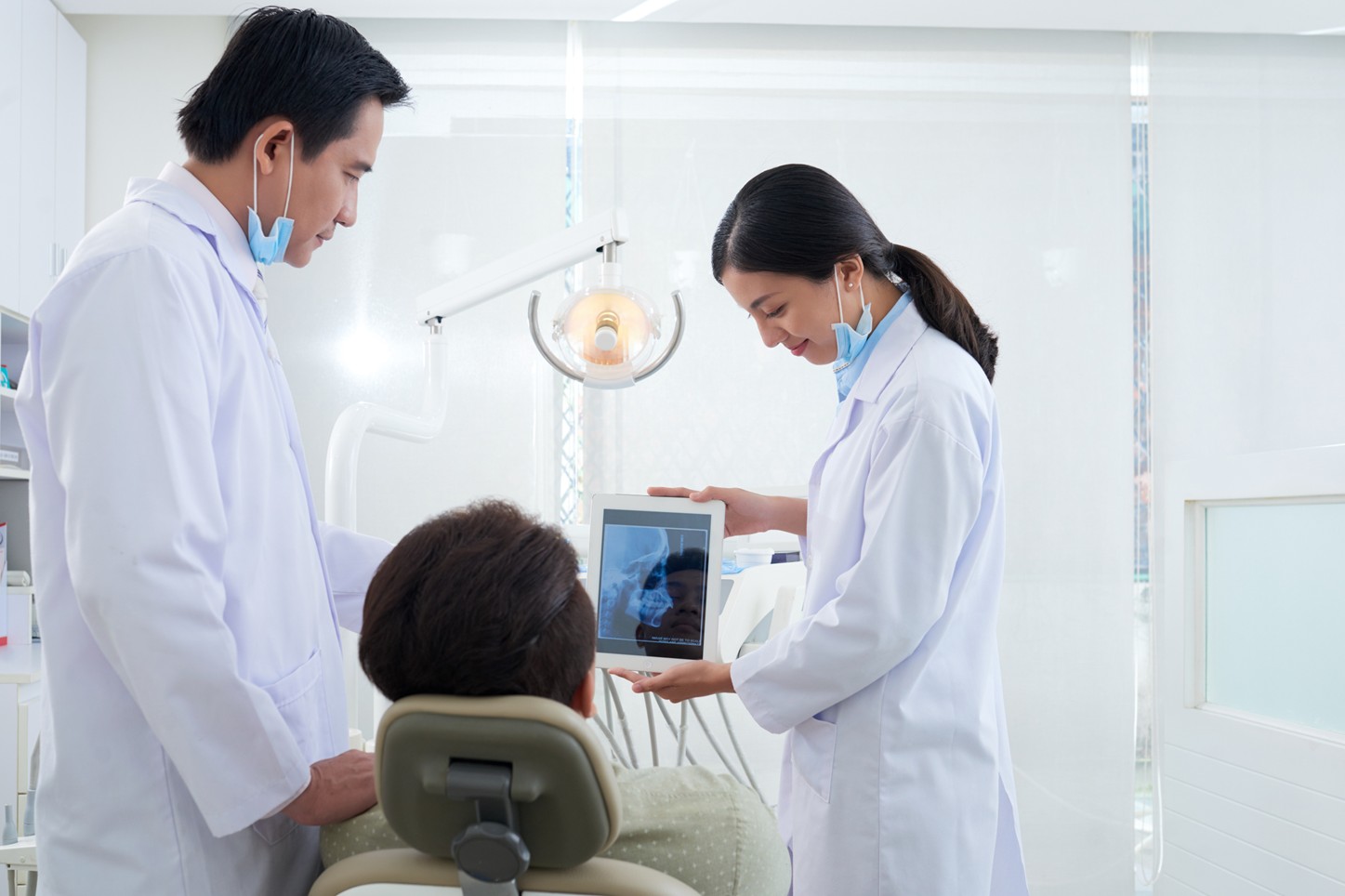
The clinician first reviews symptoms such as snoring, nighttime awakenings, and daytime sleepiness. An oral examination, digital scan, or lateral cephalometric imaging may help assess the jaw and airway, but these do not diagnose sleep apnea by themselves. When sleep apnea is suspected, coordination with a sleep physician and a sleep study may be recommended before selecting treatment.
Treatment Process
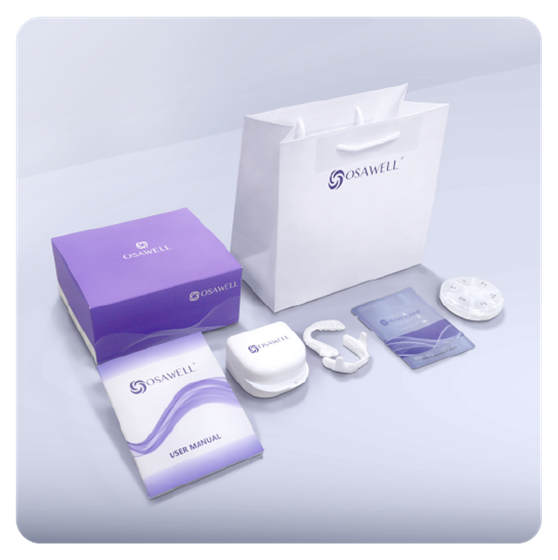
Based on a confirmed diagnosis and oral assessment, a custom oral appliance (OSAWELL) may be considered for selected patients. It is designed to support the lower jaw during sleep and may help reduce snoring and obstructive events. Effectiveness varies, and follow-up sleep testing or physician review may be needed; CPAP or another treatment may be more appropriate depending on severity.
Completing Treatment
Regular follow-up allows the appliance to be adjusted and the clinician to monitor symptoms, fit, bite, teeth, gums, and jaw joints. Treatment response should be confirmed through appropriate medical reassessment, and persistent or worsening symptoms should be reviewed promptly.