





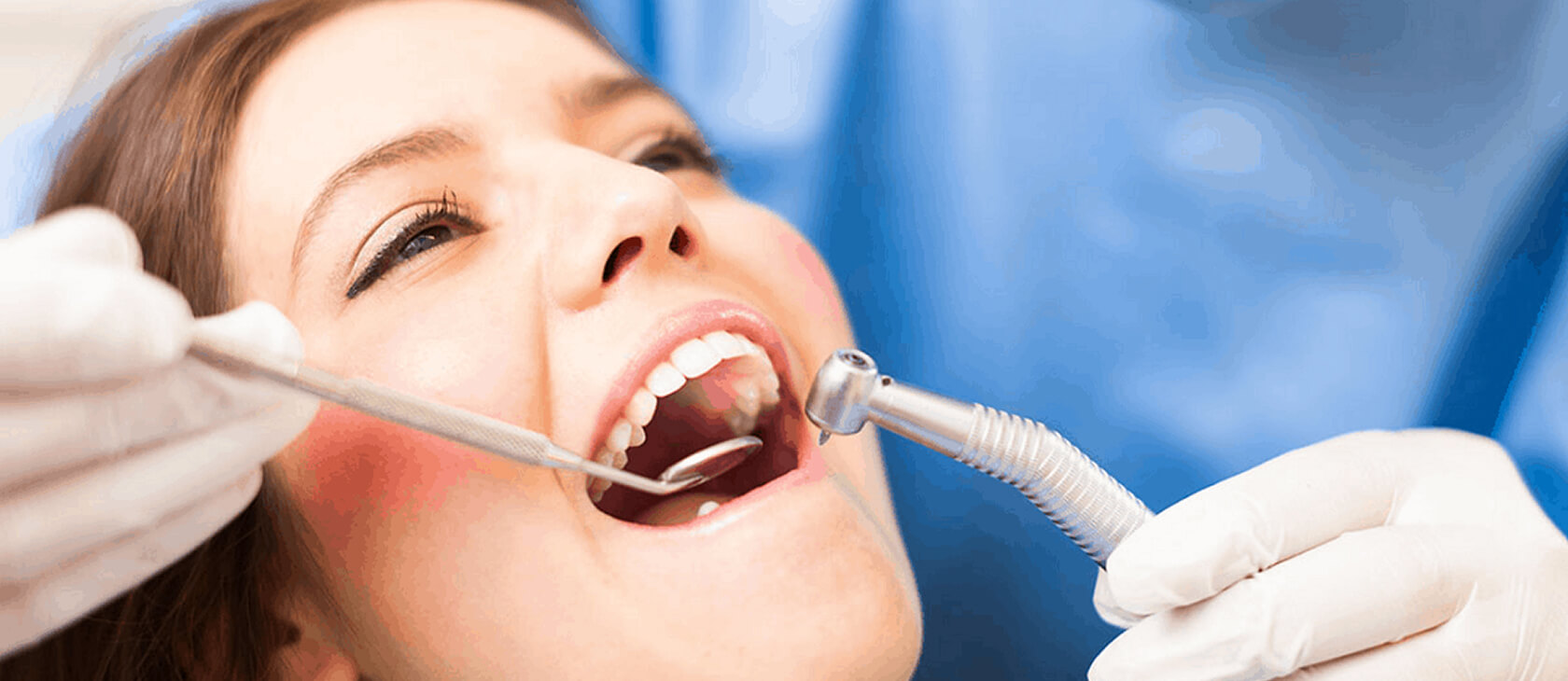
Periodontal Water Laser
Comprehensive Assessment and Individualized Periodontal Care
Periodontal Assessment and Infection Control
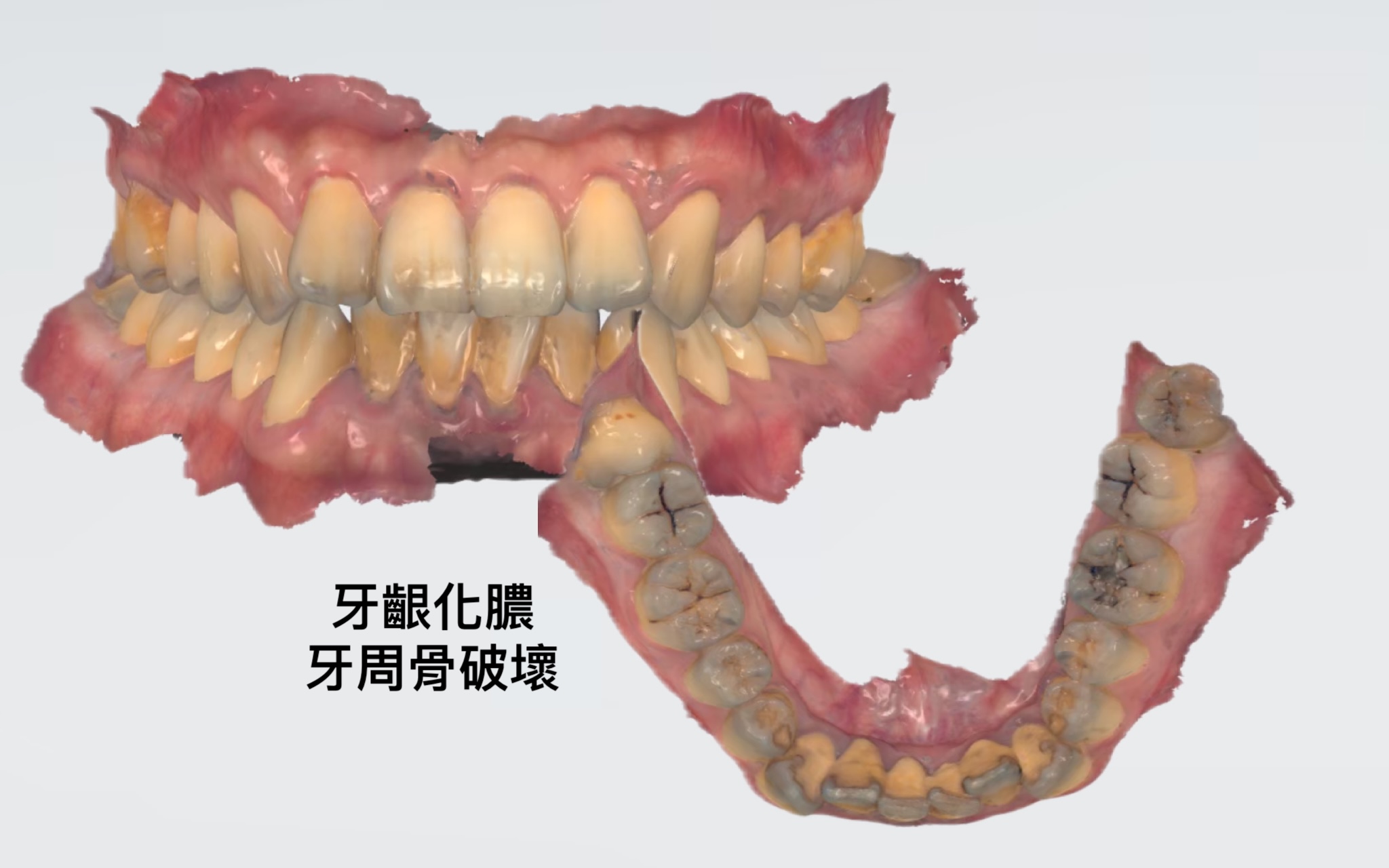
Examination and Assessment
Records and periodontal findings are reviewed to discuss appropriate treatment options.
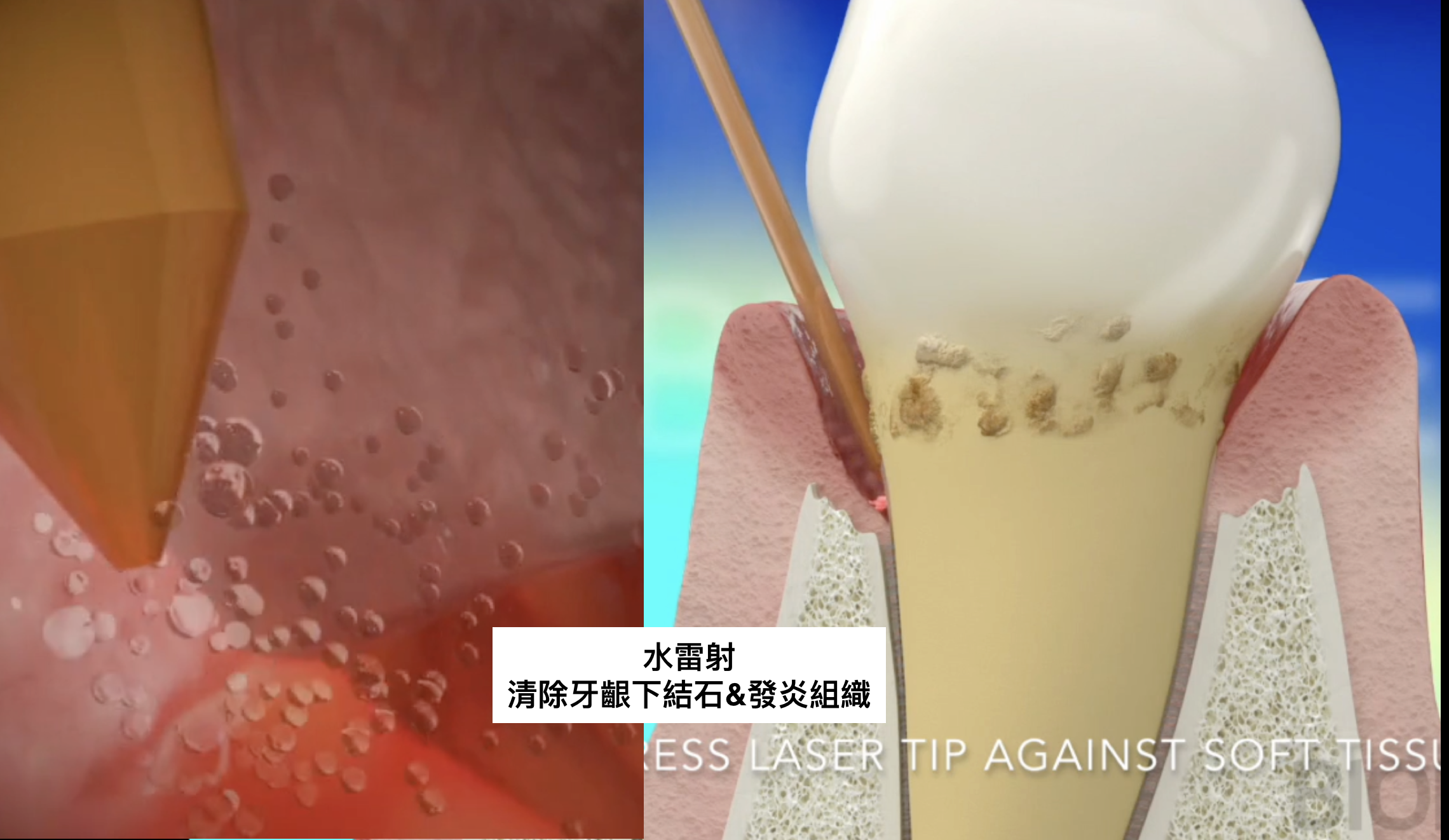
Surgical Procedure
A water laser may be used as an adjunct in selected periodontal procedures. The dentist considers pocket depth, inflammation, bone levels, and the planned procedure before deciding whether to use it. Treatment still requires plaque control, professional debridement, and periodontal maintenance; discomfort, bleeding, and recovery vary by patient and treatment area. Tell the dental team about pregnancy, diabetes, cardiovascular disease, and all medications before treatment so care can be coordinated when needed.
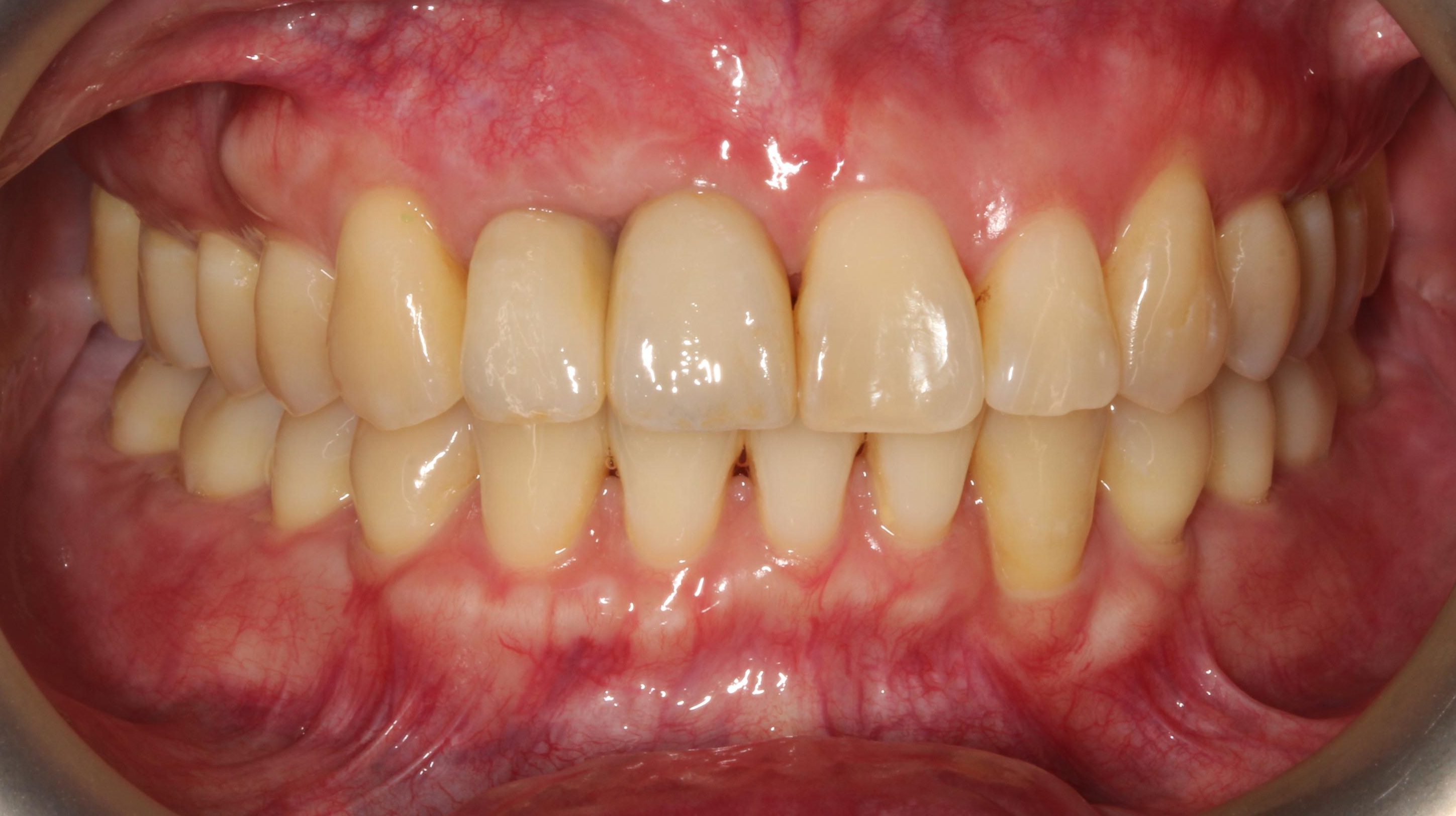
Completing Treatment
Regular follow-up and periodontal maintenance help monitor tissue health and stability.
Start with the warning signs
What symptoms may be warning signs of periodontal disease?
Bleeding while brushing, persistent bad breath, swollen or receding gums, increasing gaps, loose teeth, or a change in the bite may be warning signs. Periodontal disease can also progress with few symptoms, so an examination and periodontal probing are needed to determine whether treatment is required.
How periodontal health relates to overall healthQuestions patients often ask
Periodontal and water-laser FAQs
The answers below are general health information. The appropriate treatment still depends on an examination, periodontal measurements, imaging, and medical history.
Assessment and treatment
How is routine scaling different from deep periodontal treatment?
Routine scaling mainly removes plaque and calculus around the tooth surface and gumline. When periodontal pockets and root-surface deposits are present, subgingival debridement or root planing may be needed. The depth and scope of treatment are determined by probing, radiographs, inflammation, and bone levels.
How does water-laser periodontal treatment differ from conventional deep cleaning?
A water laser may be used as an adjunct for selected tissue or pocket procedures. It does not replace plaque control, professional debridement, or periodontal maintenance. Whether it is suitable depends on pocket depth, inflammation, bone loss, the planned procedure, and the laser system being used.
Can a water laser damage enamel or gums?
When an appropriate wavelength, tip, energy setting, and technique are selected by a trained clinician, the device can be used for its intended tissue. Safety still depends on the treatment site and equipment, and protective measures are required. A clinical assessment is necessary before treatment.
What is the difference between a water laser and a diode laser?
Dental lasers differ by wavelength and tissue interaction. Diode lasers are used mainly for selected soft-tissue procedures; some water-laser systems can be used on soft or hard tissue within their approved indications. The devices are not interchangeable, so the dentist should explain the actual system and purpose planned for your case.
What other dental procedures can use a water laser?
Possible uses vary by the device, wavelength, and approved indications, and may include selected soft-tissue, periodontal, or hard-tissue procedures. A laser is a treatment tool rather than a diagnosis; it is used only when it fits the clinical goal and does not automatically replace conventional instruments.
Comfort, recovery, and scheduling
Does water-laser periodontal treatment hurt, and is local anesthesia needed?
Comfort varies with pocket depth, inflammation, tissue sensitivity, and the procedure. Local anesthesia may still be recommended for deeper or more sensitive areas. The dentist will discuss pain control beforehand; no technique can guarantee a completely pain-free experience.
When can I brush and eat after treatment?
Follow the instructions for the treated area. In general, choose softer, lukewarm foods at first and avoid smoking, alcohol, and foods that are very hot, spicy, or hard. Continue oral hygiene as directed; do not stop cleaning the area unless your dentist specifically advises it.
How many sessions are needed, and when will I notice improvement?
There is no fixed number of sessions. The plan depends on the number and depth of periodontal pockets, inflammation, bone loss, oral hygiene, and response to initial treatment. Bleeding or swelling may improve before the periodontal tissues stabilize, so follow-up measurements are more reliable than symptoms alone.
Can periodontal disease return after treatment, and how often should I return?
Periodontal disease can become active again if plaque control, smoking, diabetes management, or maintenance visits are inadequate. Recall intervals are individualized according to periodontal stability and risk; many patients require periodontal maintenance more often than routine checkups.
Special circumstances and fees
Can pregnant patients or people with diabetes receive periodontal treatment?
Often yes, but timing and treatment must be individualized. Pregnant patients should disclose their stage of pregnancy and medical advice. People with diabetes should share current control, medications, and relevant test results. The laser itself does not make every case low-risk, and coordination with the medical team may be needed.
Is treatment suitable for older adults or people with loose teeth?
Age alone is not the deciding factor. The dentist evaluates bone support, tooth mobility, inflammation, cleaning ability, general health, and whether the tooth is maintainable. Treatment may control infection, but it cannot guarantee that a severely compromised tooth can be retained.
Is water-laser periodontal treatment covered by National Health Insurance?
In Taiwan, periodontal laser treatment is generally a self-pay service, while qualifying basic periodontal examinations and treatment may be covered by National Health Insurance. Fees depend on the treatment area and plan. Please confirm the current coverage and written estimate with the clinic before treatment.