





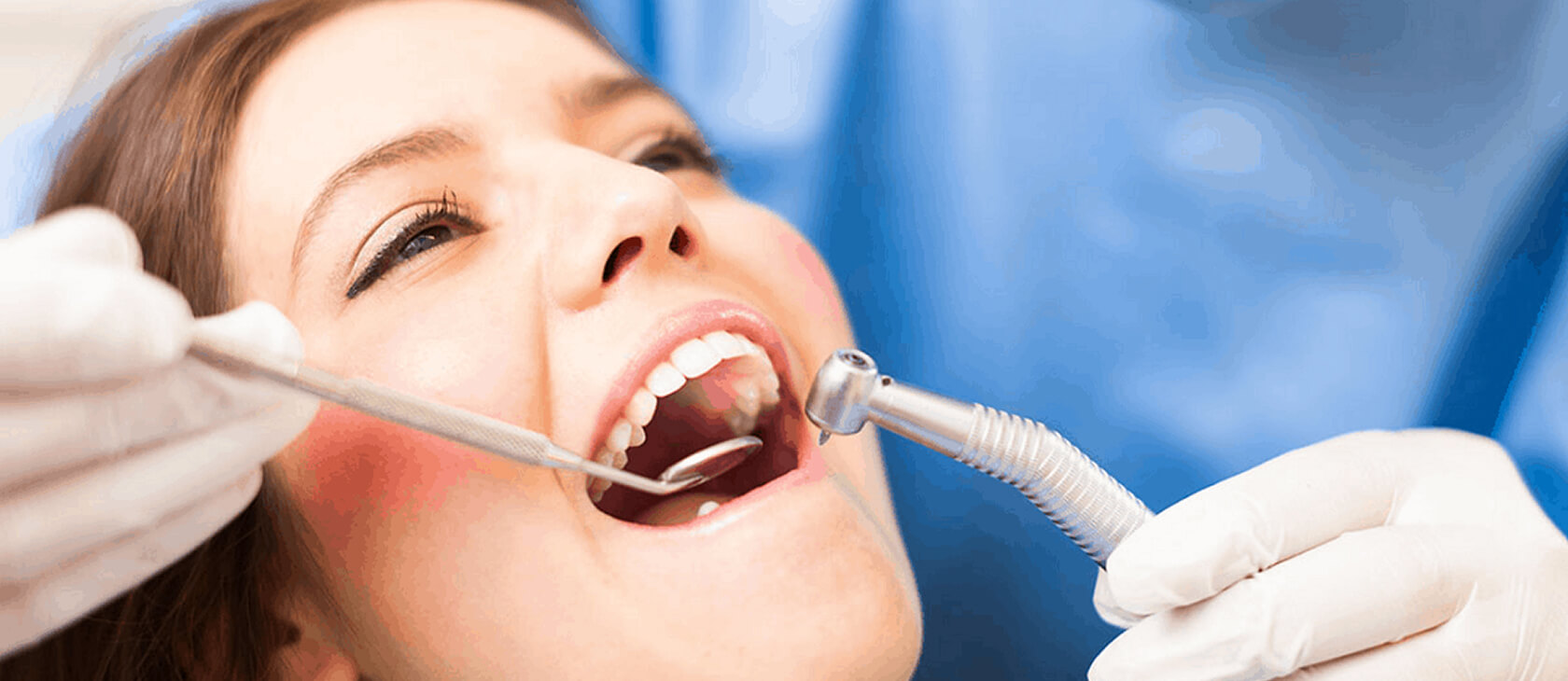
3D Implant Dentistry
Digital Planning to Support Precise Implant Care
We integrate imaging, intraoral scanning, and digital navigation to plan implant position and restorative design according to each patient’s clinical conditions.
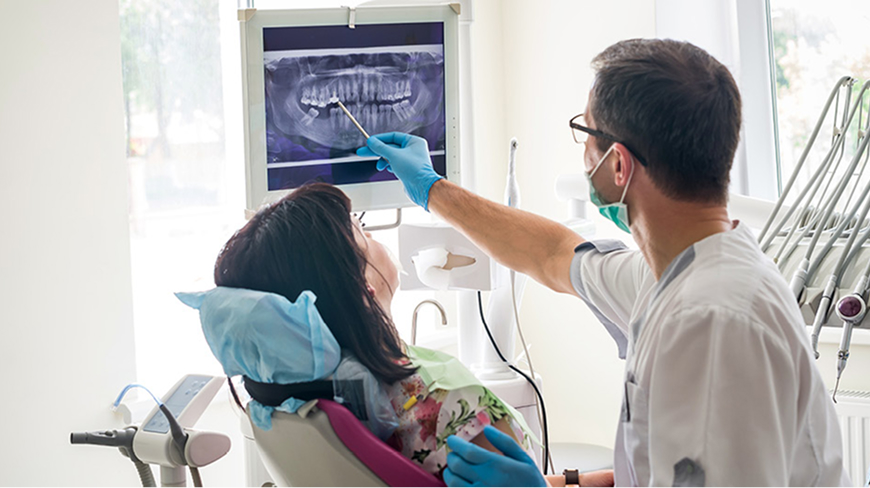
Comprehensive Examination and Risk Assessment
The dentist evaluates the missing-tooth area, bone width and height, gum condition, bite, general health, and medications to determine whether implant treatment is appropriate.
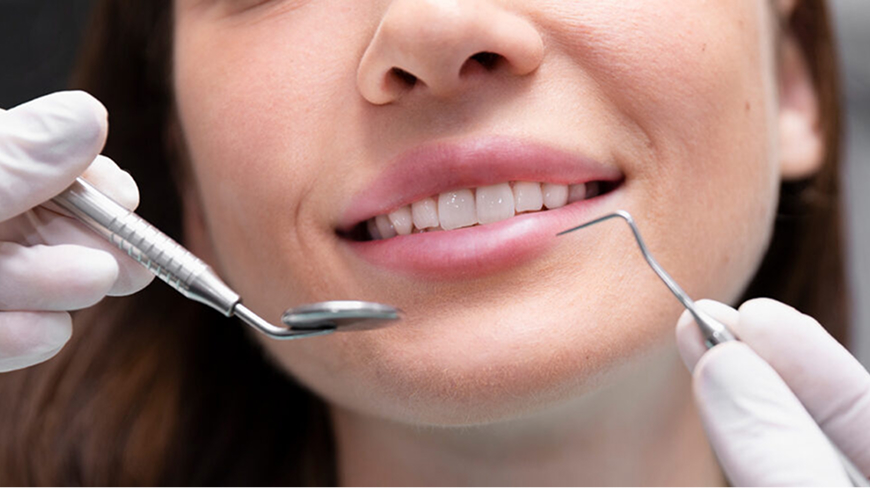
Imaging Integration and Implant Planning
3D imaging and intraoral scan data are integrated to simulate implant direction and depth and to evaluate important structures such as nerves and the sinus.
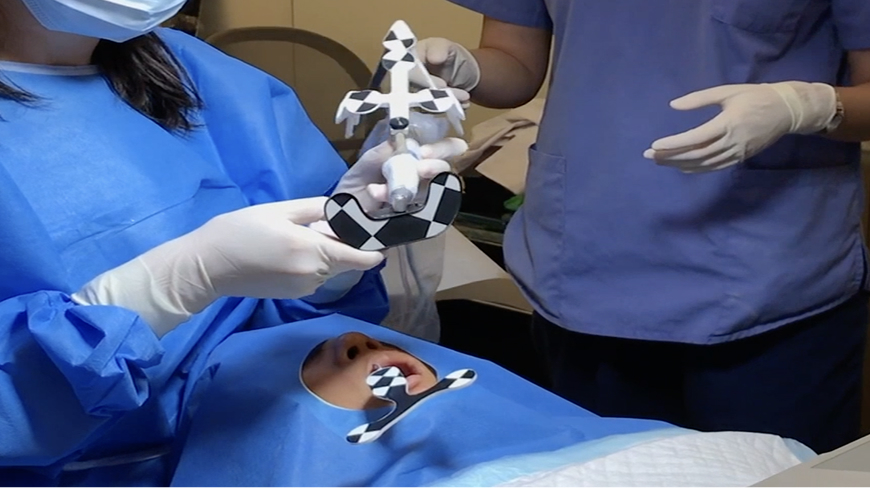
Implant Surgery According to the Plan
The surgical approach depends on bone volume, infection, grafting needs, and surgical access. Digital tools can assist positioning but do not replace clinical judgment.
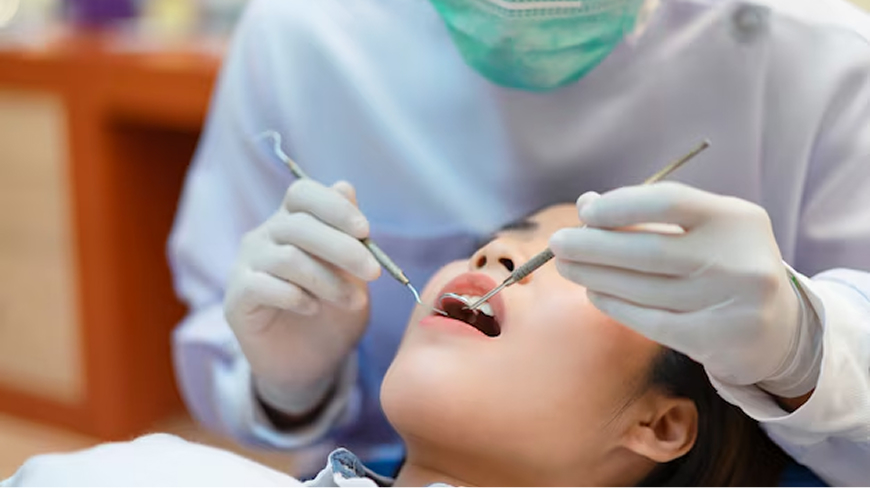
Provisional Restoration and Healing
Some patients may receive a provisional restoration when conditions are suitable. Timing depends on initial implant stability, bite, and tissue condition.
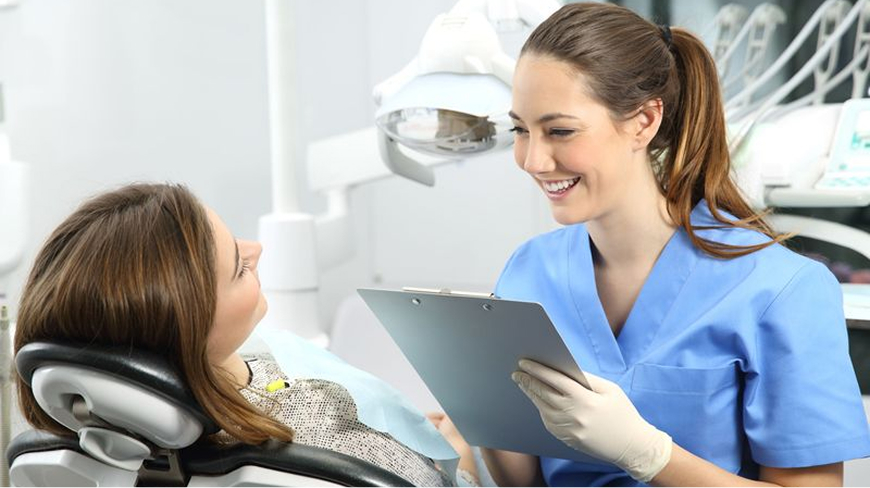
Final Restoration and Long-Term Maintenance
The final restoration is made after the implant and bone are stable. Regular examinations and cleaning help maintain the tissues around the implant and the bite. Suitability for implants, bone grafting, a smaller incision, or immediate restoration must be assessed from each patient’s oral condition, imaging, and general health.
Navident Dynamic Navigation Implant Surgery (Minimally Invasive da Vinci Robotic Arm Implant Surgery) FAQs
Q1. How does Navident dynamic navigation implant surgery (minimally invasive da Vinci implant surgery) differ from conventional implant surgery?
Dynamic navigation implant surgery combines a computer navigation system with 3D imaging technology. Before surgery, the dentist can precisely plan treatment based on the condition of the jawbone and the locations of nerves and blood vessels to determine the ideal implant position and angle. During surgery, the robotic arm, operated by the dentist, provides real-time positioning assistance and guidance according to the preoperative plan. This greatly reduces human error that may arise when relying solely on the dentist’s tactile judgment, making the overall procedure more consistent and predictable.
Q2. Are surgical risks really lower? Which specific risks does this refer to?
Conventional freehand implant surgery relies more heavily on the dentist’s experience and tactile judgment to determine angle and depth. However, variations in bone conditions may lead to implant angulation errors, injury to the inferior alveolar nerve, or damage to neighboring teeth. Dynamic navigation implant surgery (minimally invasive da Vinci implant surgery) combines preoperative navigation planning with real-time intraoperative positioning and tracking to precisely control the surgical path within a safe range, greatly reducing these risks. This is its key safety advantage over conventional freehand implant surgery.
Q3. Are the incisions in minimally invasive implant surgery really as small as those in endoscopic surgery?
Yes. If the dentist determines that the approach is suitable, dynamic navigation implant surgery (minimally invasive da Vinci implant surgery) can usually use a flapless technique. Unlike conventional surgery, which requires cutting the gums and lifting the soft tissue to clearly see the bone, this approach places the artificial tooth root through a small opening in the gum according to the preoperative plan. With its small incision and reduced tissue trauma, the concept is very similar to the principles of minimally invasive endoscopic surgery.
Q4. Does minimally invasive implant surgery require less anesthetic than conventional implant surgery?
Thorough advance planning with navigation technology allows this type of implant surgery to avoid extensive gum incisions. The procedure is less invasive and causes less irritation to the soft tissue and periosteum. As a result, in most cases, the required dose of local anesthetic can be lower. Discomfort during surgery, along with tightness and swelling after the anesthetic wears off, is also much milder than with conventional flap surgery.
Q5. Is minimally invasive implant surgery really completely painless?
Because the incision is small and tissue trauma is limited, and because preoperative planning can shorten the procedure, most patients experience almost no noticeable pain during surgery. Discomfort during recovery is also far less than with conventional implant surgery requiring extensive flap elevation and suturing. However, pain sensitivity and tolerance vary from person to person, and the actual experience will still differ somewhat depending on individual constitution and the extent of surgery. Discuss this thoroughly with your dentist before treatment.
Q6. How long does minimally invasive implant surgery take? Will it be lengthy and uncomfortable?
With dynamic navigation implant surgery (minimally invasive da Vinci implant surgery), the surgical time for a single implant can usually be shortened to between 30 minutes and one hour. This is mainly because the dentist has already completed comprehensive planning with 3D navigation before surgery, reducing uncertainties during the procedure. Smaller incisions and a reduced area of tissue invasion also lessen discomfort during and after surgery, making the overall surgical experience easier for patients than conventional implant surgery.
Q7. Why is there less swelling after minimally invasive implant surgery?
Conventional implant surgery often requires lifting the gums and exposing the jawbone to obtain a clear view before placing the implant. This causes more extensive tissue trauma and can result in noticeable swelling and bruising. With Navident dynamic navigation implant surgery (minimally invasive da Vinci implant surgery), a flapless technique is used whenever possible, requiring little or no gum flap elevation. This can greatly reduce soft-tissue trauma and bleeding, so postoperative inflammation is naturally milder than after conventional surgery with extensive flap elevation, and recovery is faster and smoother.
Q8. Who is suitable for minimally invasive implant surgery? Can it be performed if there is insufficient bone?
Most patients who want to restore chewing function after tooth loss, trauma, or extraction due to periodontal disease are suitable for an assessment for da Vinci robotic arm minimally invasive implant surgery. Before surgery, however, the dentist must use a 3D CT scan to carefully assess whether the height, width, and density of the jawbone are sufficient to support the artificial tooth root. If bone is severely insufficient, bone grafting may be needed first, followed by implant placement once the bone has healed and stabilized.
Q9. Can older adults or people with chronic conditions, such as hypertension or diabetes, undergo dynamic navigation implant surgery?
When chronic conditions are well controlled and vital signs are stable, most older adults and patients with chronic conditions can still safely undergo implant surgery. With its small incisions, limited bleeding, and short surgical time, minimally invasive implant surgery is relatively gentler for older adults and patients with a history of cardiovascular disease or diabetes, reducing the physical burden during surgery. Nevertheless, a comprehensive health assessment is recommended beforehand, with consultation with an internal medicine physician when necessary to confirm surgical safety.
Q10. Is dynamic navigation implant surgery also suitable for people missing all or several teeth?
Yes. The advantages of the Navident dynamic navigation implant surgery (minimally invasive da Vinci implant surgery) navigation system are even more evident in complex cases involving a fully toothless arch or multiple missing teeth. Before surgery, the dentist can plan the position, angle, and depth of every implant as a whole, ensuring that the distribution of the artificial tooth roots and their occlusal relationships have been carefully calculated. The implants are then precisely placed one by one according to the plan, while the stability of the robotic arm effectively reduces surgical errors and risks.
Q11. Can an implant be placed immediately after a tooth is extracted, or must I wait for the bone to heal?
Some cases with favorable conditions, such as intact bone at the extraction site and no obvious inflammation or infection, may allow immediate implant placement at the same time as extraction. With its small incisions and limited effect on surrounding tissue, a minimally invasive technique is more favorable for this type of procedure. However, if bone is insufficient or inflammation or infection is present, it is still recommended to wait for the bone and soft tissue to heal and stabilize before reassessing the appropriate timing for implant placement.
Q12. What examinations are needed before implant surgery? Is a 3D CT scan necessary?
With 3D CT images, the dentist can precisely measure jawbone height, width, and bone density, while clearly identifying the exact locations of nerves and blood vessels. This information is an indispensable basis for implant navigation planning and directly affects the safety and accuracy of surgery.
Q13. Does dynamic navigation implant surgery cost more than conventional implant surgery?
Because da Vinci robotic arm implant surgery involves additional equipment and technical investment, including preoperative 3D CT scanning, a computer navigation planning system, and precision robotic arm assistance, the overall cost is usually higher than conventional freehand implant surgery. In return, patients can benefit from greater surgical precision, a shorter recovery period, and a lower risk of complications. Over the long term, these advantages also have a positive effect on implant stability and longevity.
Q14. How soon after implant surgery can I eat normally and resume daily activities?
Because Navident dynamic navigation implant surgery (minimally invasive da Vinci implant surgery) involves small incisions and limited tissue trauma, most patients can begin trying soft foods, such as congee or noodle soup, within one to two days after surgery, while avoiding very hard or hot foods that may irritate the wound. After about one week, swelling and discomfort have noticeably subsided for most patients, and they can largely resume normal daily activities and eating habits. The actual speed of recovery will still vary depending on individual healing ability and the extent of surgery.
Q15. How does precise implant positioning with dynamic navigation benefit appearance?
Through precise preoperative 3D navigation planning, the dentist can place the artificial tooth root in the ideal three-dimensional position and angle, while also considering the final crown’s shape, height, and gumline. This planning allows the completed restoration to more closely resemble a natural tooth and makes depressions, asymmetry, and other aesthetic imperfections at the gum–crown junction less likely, enhancing the natural appearance of the overall smile.
Q16. Is special care needed after dynamic navigation implant surgery?
Although the artificial tooth root itself cannot develop cavities like a natural tooth, the surrounding gum and bone tissues can still become inflamed if cleaning is inadequate, leading to a complication known as peri-implantitis. Over time, this may affect the stability and even the lifespan of the implant. Patients are advised to develop proper oral hygiene habits, use dental floss or interdental brushes to clean around implants, and attend regular checkups as recommended by their dentist to maintain long-term implant stability and function.
Q17. Why can thorough implant planning extend implant longevity and make maintenance easier?
Comprehensive preoperative 3D navigation planning with Navident dynamic navigation implant surgery (minimally invasive da Vinci implant surgery) allows the crown position to align more closely with the ideal axis, enabling a screw-retained design. This design makes removal and maintenance during routine follow-up visits easier and reduces the risk of peri-implantitis. It also distributes biting forces more evenly, greatly extending the lifespan of the implant.