


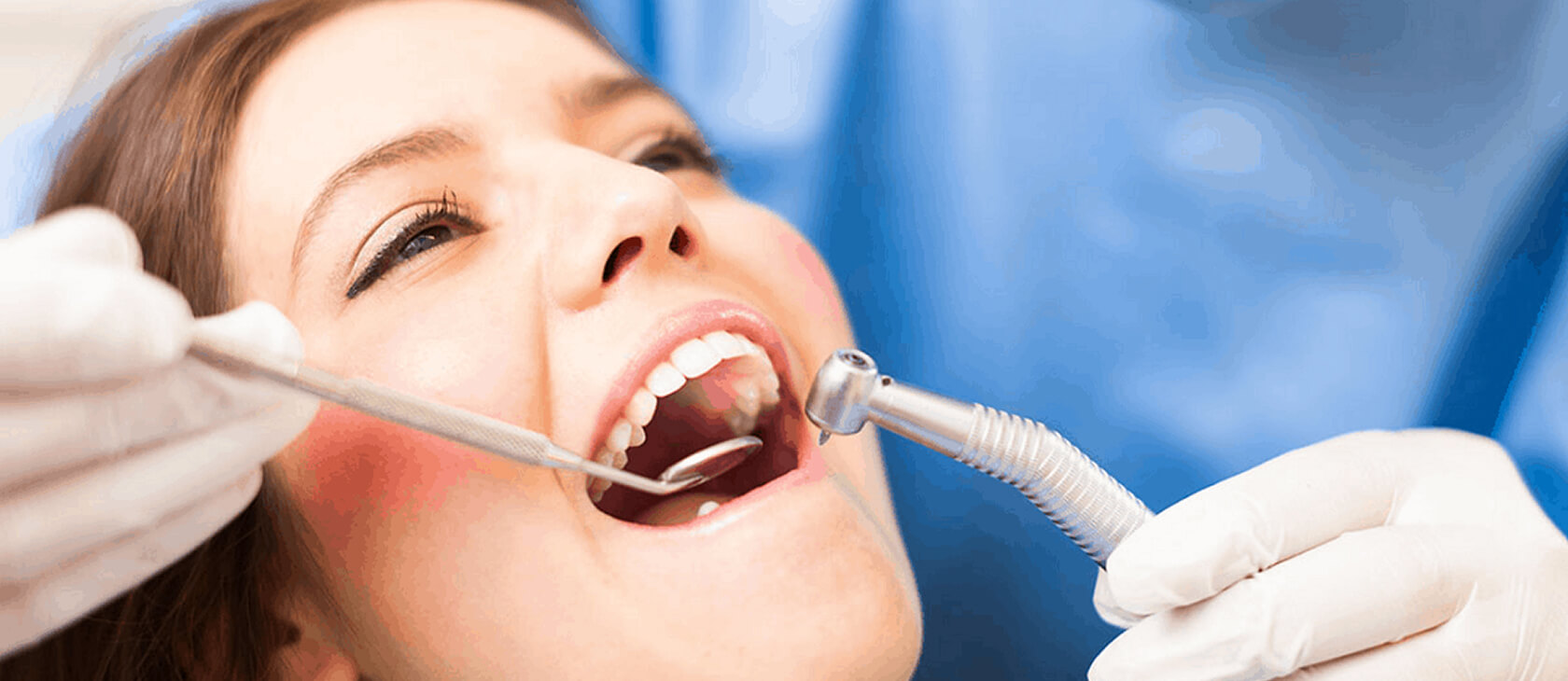
Dental Bridges
Precision-Guided, Patient-Centered Care
Personalized Planning and Clinical Care
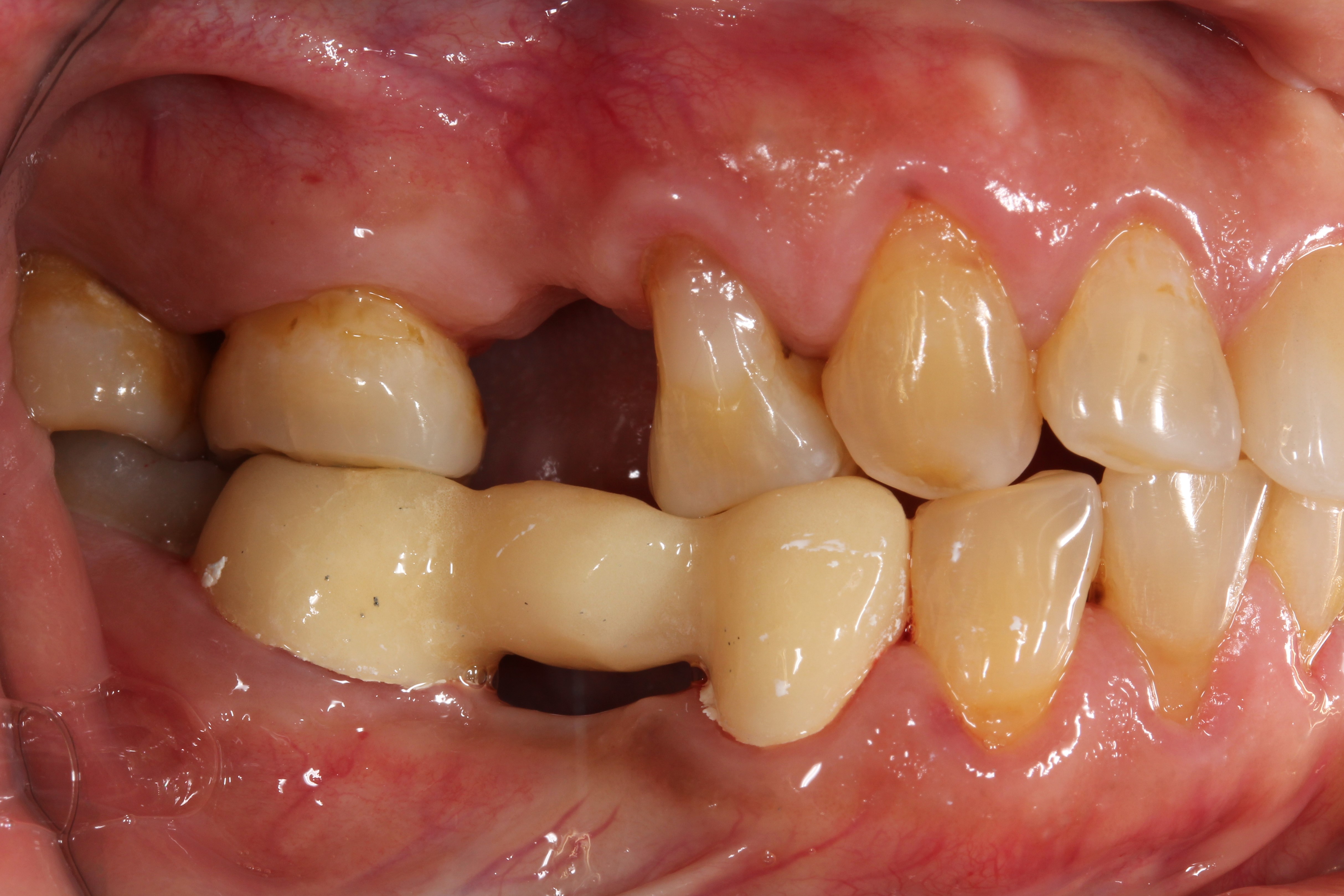
Treatment Overview
Examination and Assessment
Records are collected to evaluate appropriate restorative options.
Restorative Planning
Digital planning may be used to design the restoration and provisional bridge before treatment.
Tooth Preparation and Impression
Supporting teeth are prepared and scanned or impressed; a provisional bridge may be placed during fabrication.
Final Prosthesis
The custom bridge is tried in, adjusted, and bonded to restore appearance and function.
Follow-Up Care
Regular follow-up supports ongoing dental and periodontal health.
Fixed dental bridges can use neighboring teeth or implants to support the restoration of missing teeth areas, and evaluation is needed according to abutment conditions, extent of tooth loss, occlusion, and cleaning ability.
Personalized Planning and Clinical Care

Examination and Assessment
The teeth, supporting tissues, missing-tooth area, and bite are assessed with a clinical examination, radiographs, and intraoral scanning when appropriate. Fixed bridges, implants, and removable options may be discussed according to the condition.
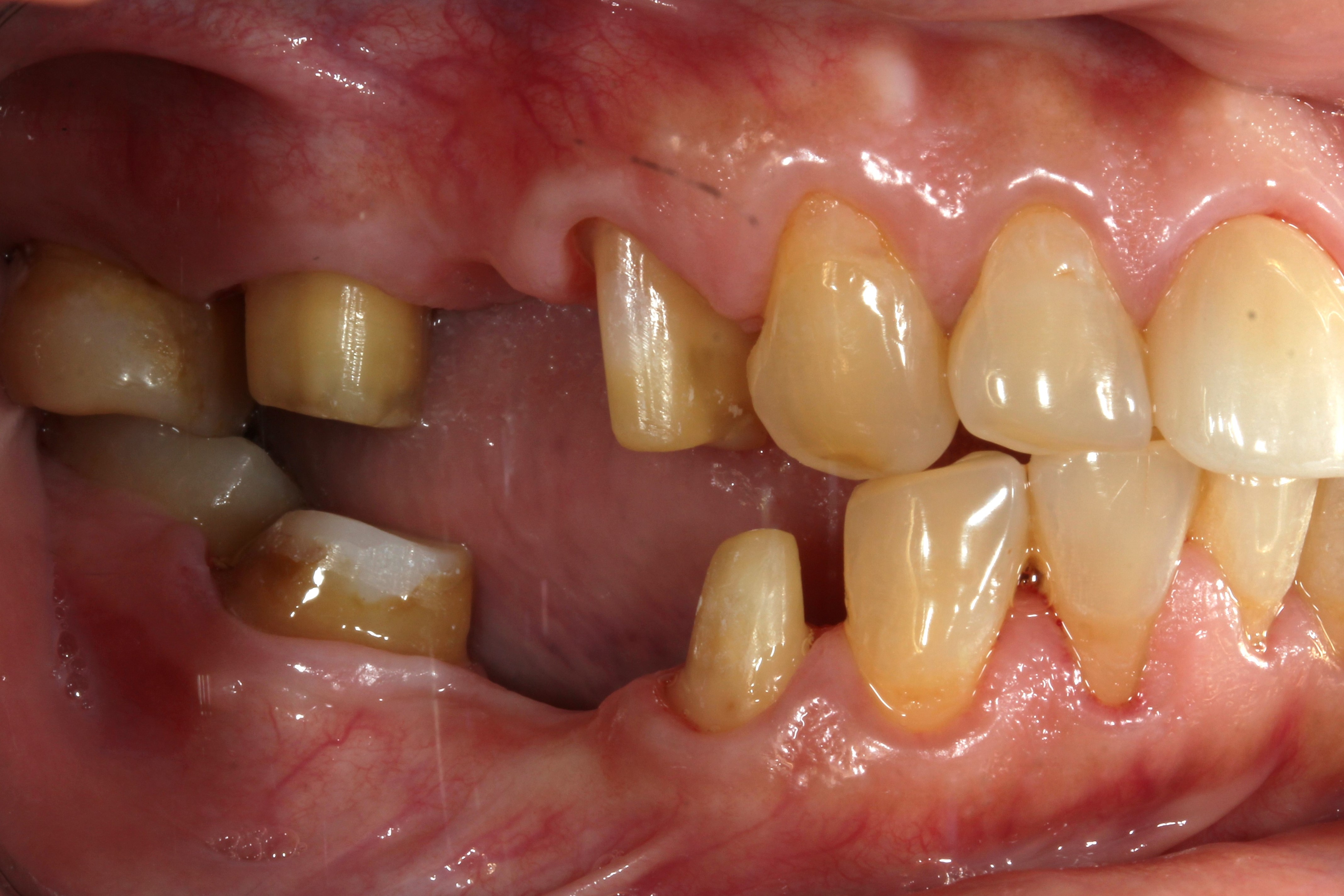
Treatment Process
Digital planning may be used to design the bridge shape and bite. The supporting teeth are prepared, and an intraoral scan or impression is taken. A provisional bridge may be fitted to protect the teeth and evaluate appearance and occlusion during fabrication.
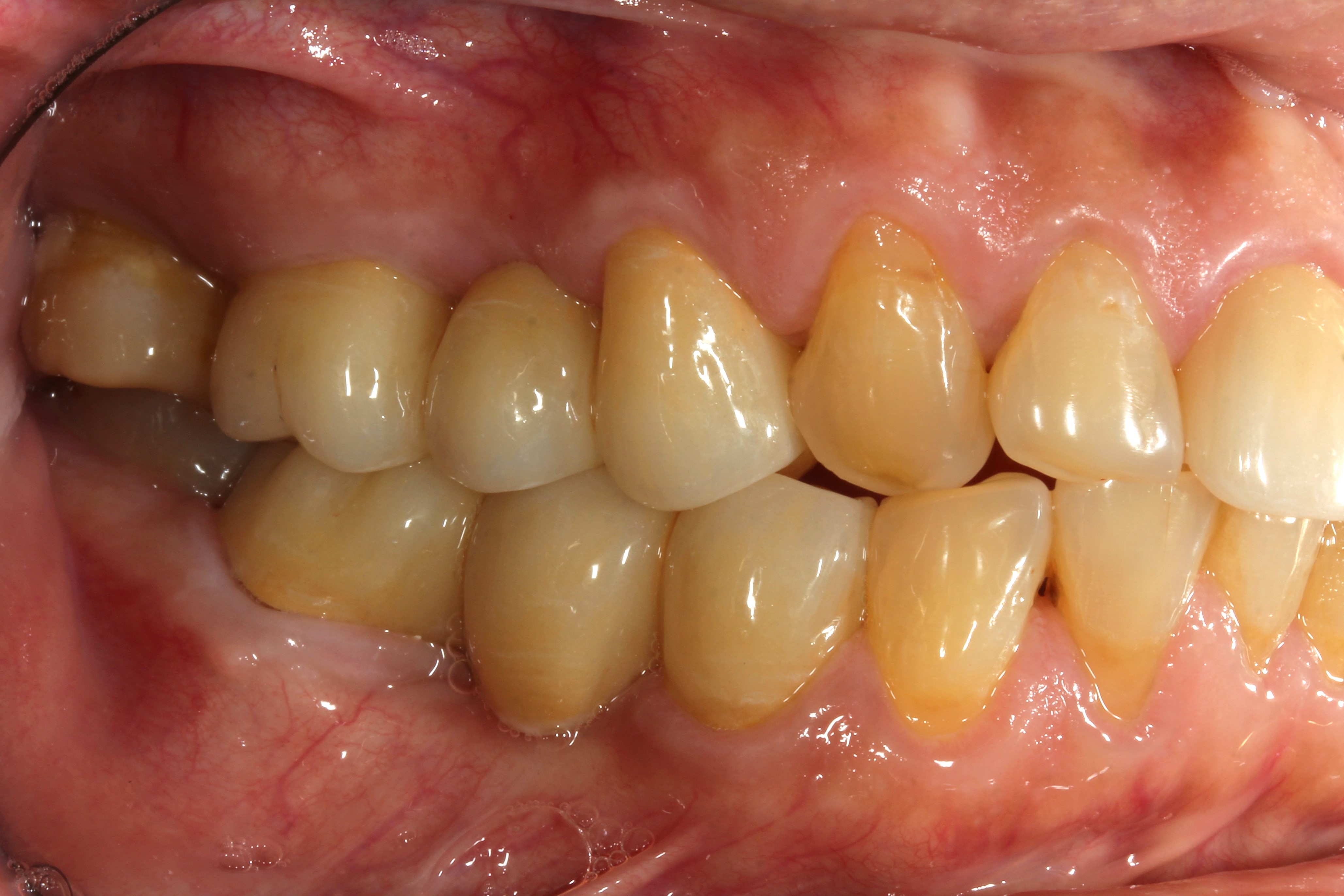
Completing Treatment
The custom bridge is checked for fit, margins, contacts, and bite before bonding. Cleaning beneath the replacement tooth and regular follow-up are important; long-term outcomes vary with supporting teeth, bite, hygiene, and maintenance.

Preoperative Assessment
Assess the position of missing teeth, the health of adjacent teeth, periodontal support, and occlusal space, and compare options such as dental bridges, implants, or removable dentures.
