


Gum Regeneration
Precision-Guided, Patient-Centered Care
Personalized Planning and Clinical Care
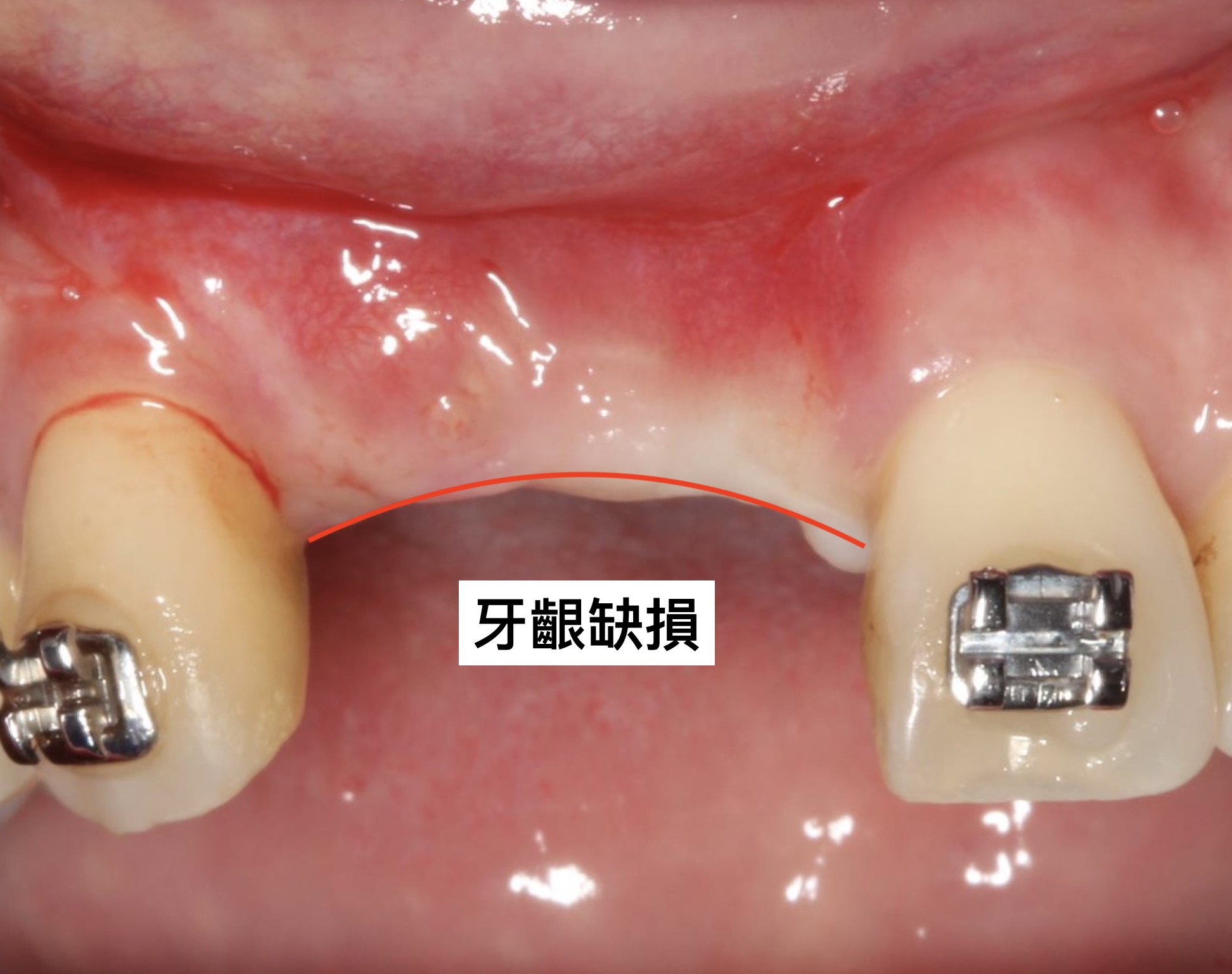
Treatment Overview
Examination and Assessment
Records are collected to assess the condition of the gums and supporting bone.
Restorative Planning
Records are collected to assess the condition of the gums and supporting bone.
Regenerative Surgery
The procedure is planned and performed according to the individual periodontal condition.
Follow-Up Care
Sutures are removed and healing is monitored to support periodontal stability.
Subsequent Treatment
Once the grafted area has healed and is clinically stable, the next treatment stage is arranged according to the plan.
periodontal and soft-tissue regeneration Treatment will be based on the assessment of gum recession, soft tissue thickness, and periodontal health, aiming to improve tissue conditions and facilitate cleaning and long-term maintenance.
Personalized Planning and Clinical Care

Examination and Assessment
Cone-beam CT and intraoral scans may be used to assess the teeth, gums, and bone, create a 3D model, and evaluate aesthetic concerns. The dentist uses this information to determine the area requiring treatment and select an appropriate surgical approach.
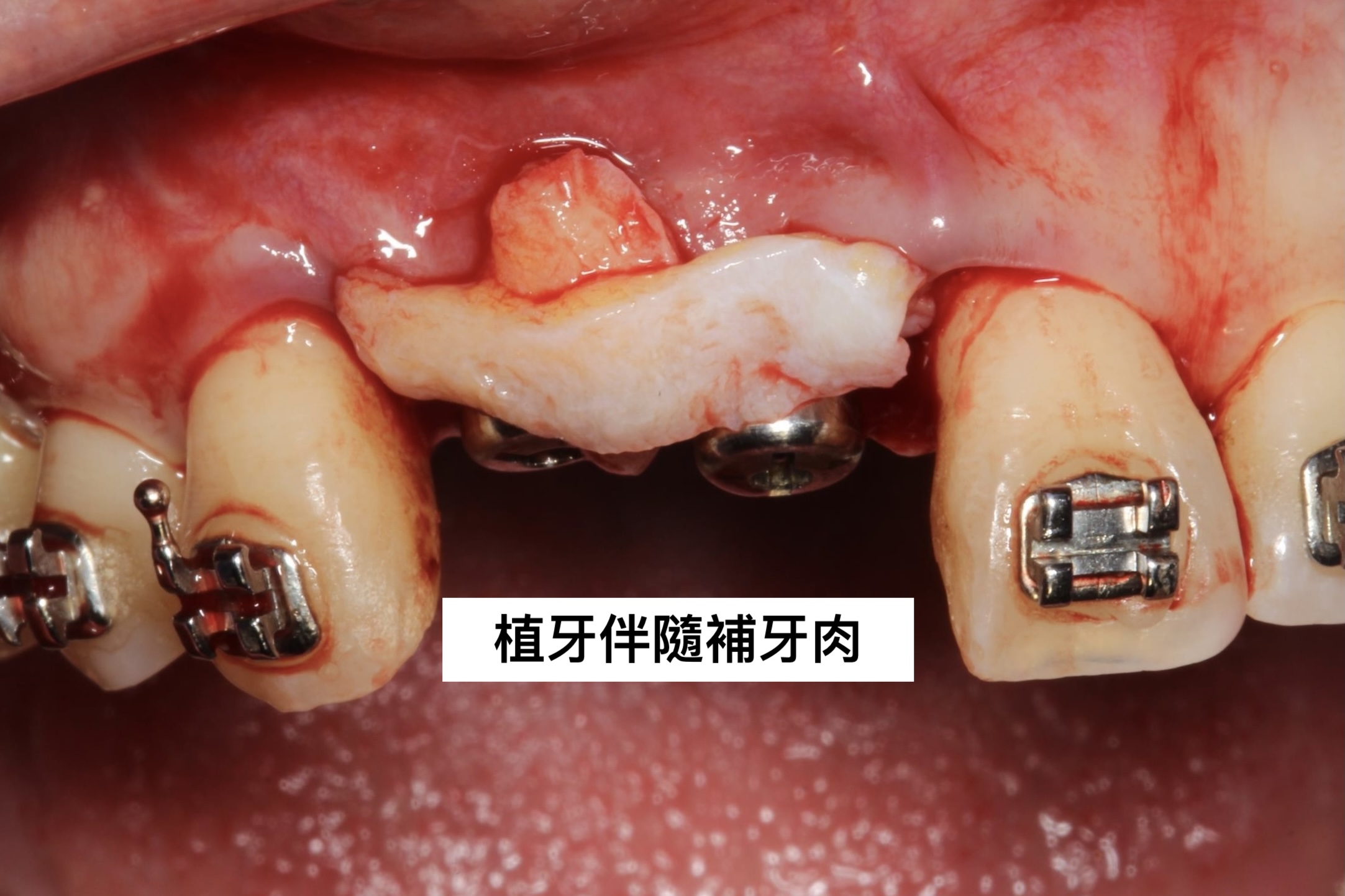
Surgical Procedure
The treating dentist performs periodontal regenerative or soft-tissue reconstruction. Depending on the condition, regenerative membranes, enamel matrix derivative (Emdogain), or other biomaterials may be considered to support tissue healing and improve soft-tissue volume or recession.
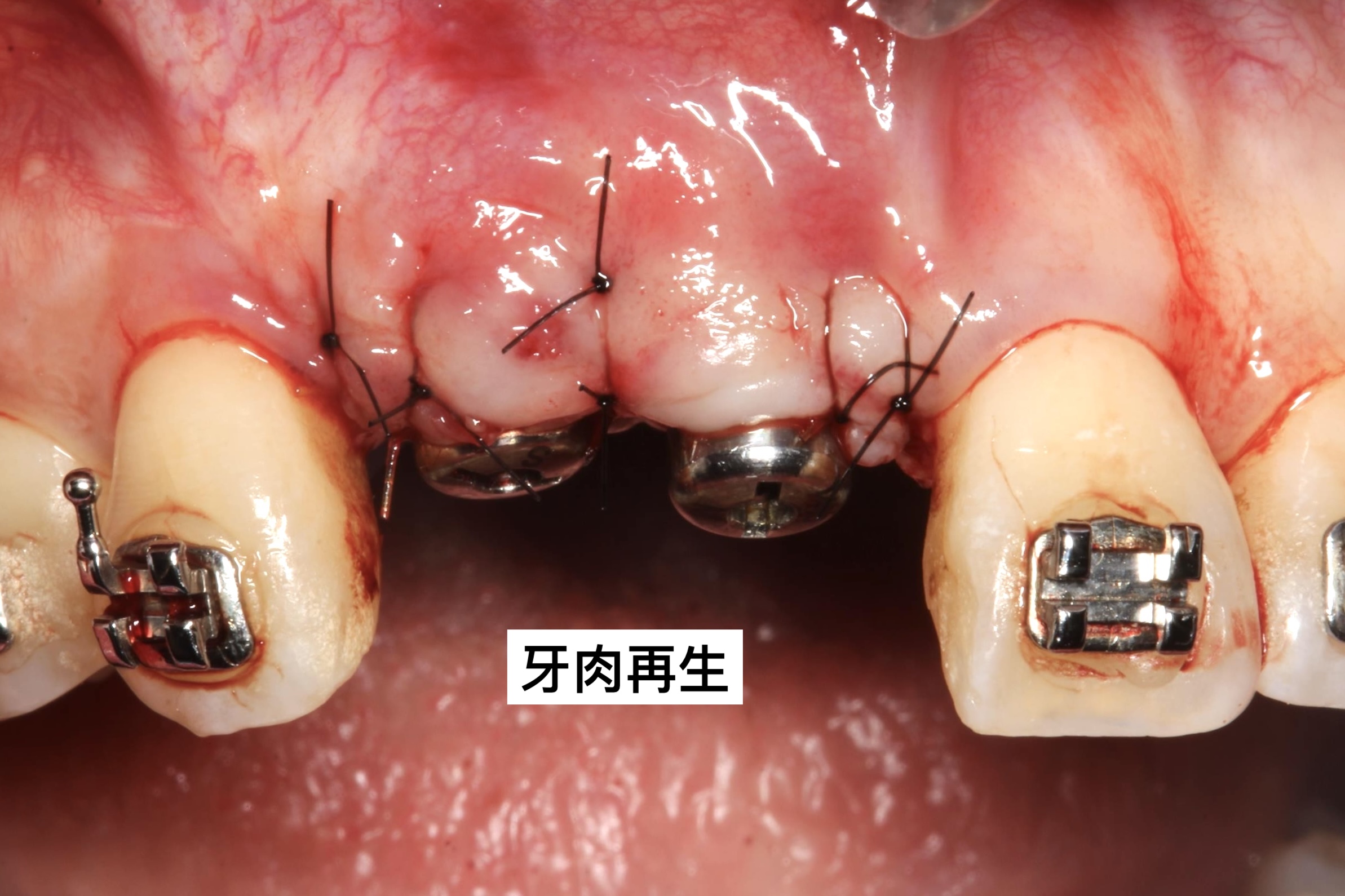
Completing Treatment
Sutures are typically removed and the surgical site evaluated about one week after treatment. Initial healing may take approximately two to four weeks, but recovery and results vary. Regular follow-up and periodontal maintenance are recommended.
Preoperative Assessment
Assess the extent of gum defects, periodontal support, tooth position, and cleaning habits, then choose the appropriate soft tissue management method.
